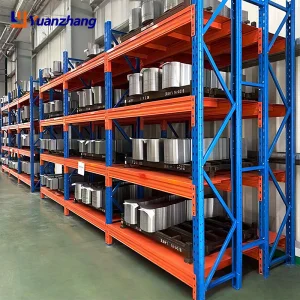
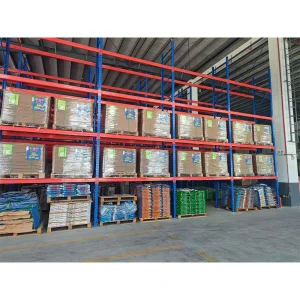
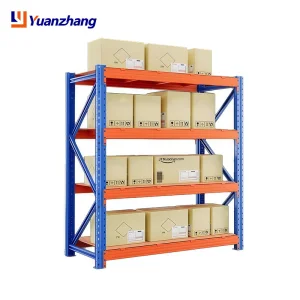
Eurasian Logistics Corridor & heavy-duty Warehousing Solutions

Single-layer weighing capacity of over 1000kg Suppliers & Exporter for the Kazakhstan market

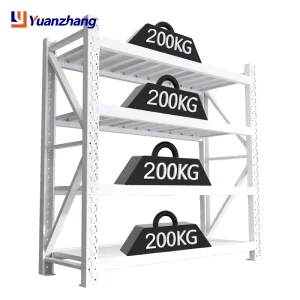
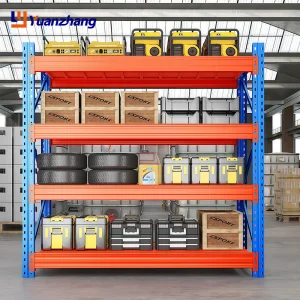
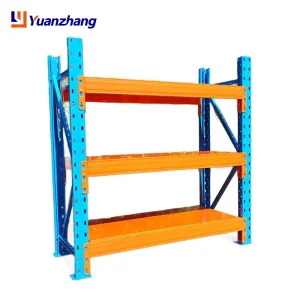
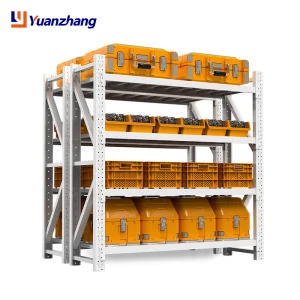
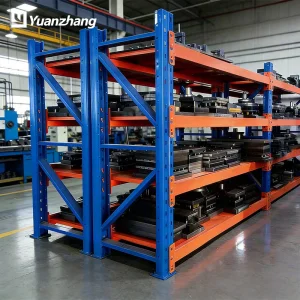
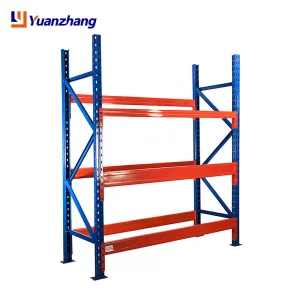
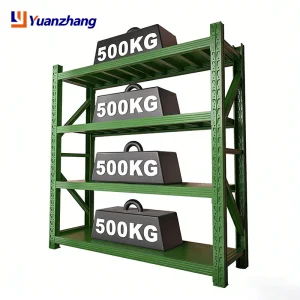
Heavy-Duty Racking Systems (Capacities up to & Over 1000kg)

Engineered specifically for Almaty, Astana, and Shymkent regional distribution centers requiring high load-bearing reliability and seismic structural integrity.

Industrial Landscape & Warehousing Trends in Kazakhstan

Kazakhstan's strategic positioning within the Central Asian trade corridor represents a critical geographical link within the modern "Belt and Road Initiative" (BRI). Connecting the massive manufacturing hubs of Western China to Eastern Europe, the country's logistics infrastructure has underwent a profound transformation. Major logistics hubs such as the Khorgos Eastern Gate Special Economic Zone, the inland dry port networks of Almaty, and the administrative storage facilities of Astana demand structural components capable of handling highly consolidated heavy freight.

Macroeconomic Shift: With cross-border transit times contracting via the Trans-Caspian International Transport Route (Middle Corridor), heavy warehousing requires a shift from standard, low-capacity storage to industrial structures featuring a single-layer weighing capacity exceeding 1000kg (1 ton to 3 tons per pallet level).

This massive shift in bulk cargo consolidation means regional companies can no longer rely on light or medium-duty racking systems. Industrial items such as mining components, agricultural heavy machinery parts, raw minerals, petrochemical reserves, and transit automotive goods must be organized utilizing multi-tier heavy storage systems. The severe local winter climate (down to -40°C in Northern regions) requires steel structures with high fracture toughness and impact resistance, ensuring structural stability under extreme indoor temperature variations.

Engineering Standards: Why 1000kg+ Single-Layer Capacity is Critical

Determining load-bearing margins is the most critical step in designing heavy industrial storage solutions. A single-layer capacity exceeding 1000kg implies that each bay (usually holding two standard pallets) must safely support a minimum working load of 2000kg to 3000kg. To achieve this without permanent mechanical deformation or catastrophic structural failure, designers and structural engineers must calculate static and dynamic stress limits using cold-formed structural steel profiles.

Structural Key Parameters:

  • Steel Grade Selection: High-grade carbon steel, primarily Q235B or Q345B, characterized by superior tensile yield strength (up to 345 MPa) and excellent weldability.
  • Safety Coefficient (1.5x - 2.0x): A racking system rated for 1000kg per layer is structurally tested to withstand a static overload of 1500kg without dynamic collapse, ensuring compliance with international FEM (Fédération Européenne de la Manutention) and SEMA guidelines.
  • Deflection Ratio (L/200): Under maximum load, the horizontal deflection of structural beams is restricted to less than 1/200th of the span length, preventing cargo shifting and truck forklift impact stress.
  • Seismic Resilience: The Almaty region is historically prone to seismic activity. Racking footprints must integrate custom enlarged baseplates with heavy-duty M16 chemical anchor bolts to disperse kinetic energy during geological seismic events.

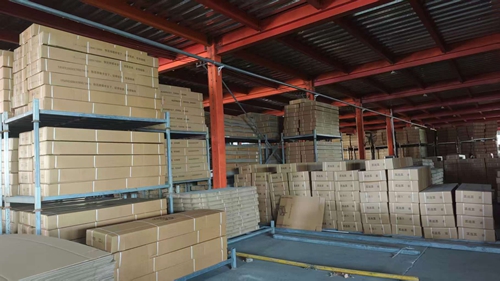
Shenzhen Yuanzhang Trading Co., Ltd.

A premier manufacturer and exporter of heavy-duty warehouse racking and custom-designed logistics solutions since 2015.

35,000 m²
State-of-the-Art Production Facility
12+ Years
Deep Racking Industry Expertise
25 Engineers
Dedicated Structural R&D Center
$28M USD
Annual Global Export Revenue

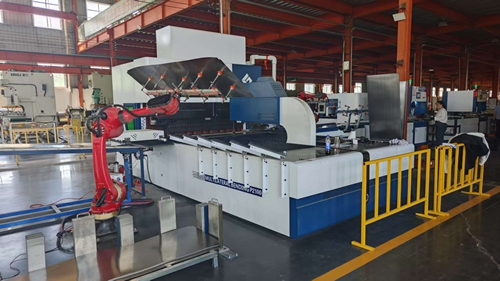
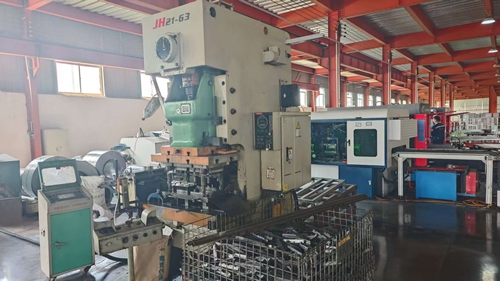
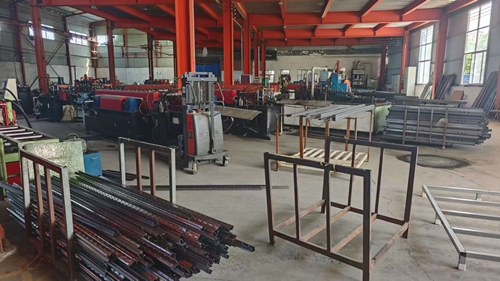
Equipped with modern manufacturing capabilities, Shenzhen Yuanzhang Trading Co., Ltd. integrates 12 years of production expertise with 8 years of dedicated international trade experience. With an active engineering department consisting of 25 R&D specialists, the company designs systems tailored for challenging operating conditions. We specialize in high-capacity pallet racking, cold-storage compatible configurations, and automated warehouse integration.

Quality control is managed by a team of 45 QA/QC inspectors executing ultrasonic welding inspections, steel stress analyses, and load fatigue tests. Leveraging a network of over 800 strategic supply partners, we ensure raw material stability, enabling us to deliver large-scale racking projects on time across Europe and the CIS region.

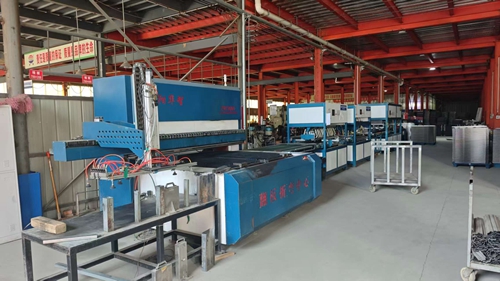
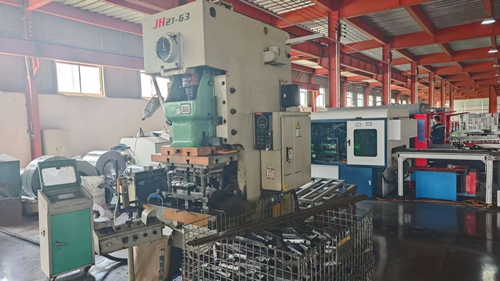
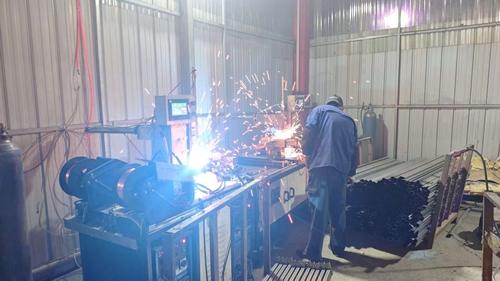
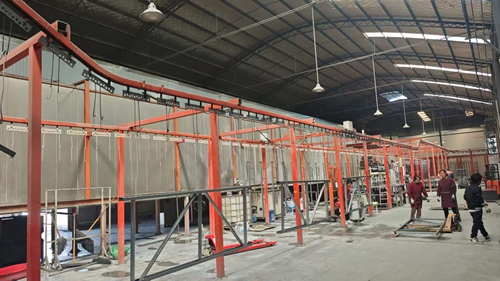
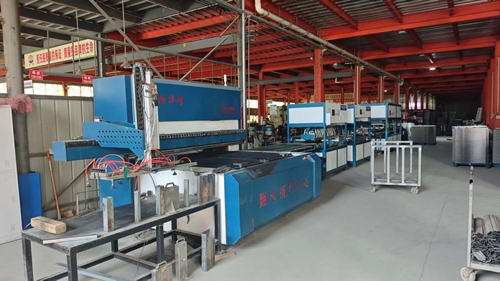
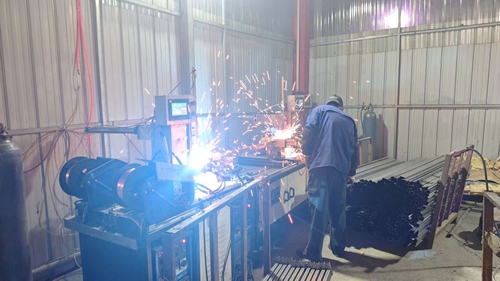
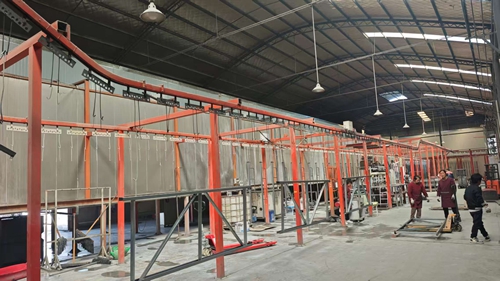
Vertical Production Integration & Quality Assurance

From high-grade raw steel coils to the finished, epoxy-coated racking beams, every manufacturing stage is monitored under strict QC protocols.
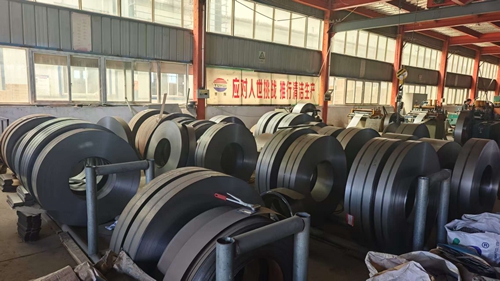
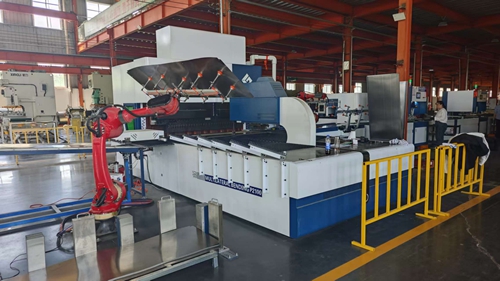
Raw Material Inspection
1. Raw material Q235B/Q345B
Precision Cutting Process
2. Precision Sheet Metal Cutting
Hydraulic Pressing Step
3. Heavy Structural Pressing
CNC Punching Process
4. High-Speed Punching
Automated Structural Welding
5. Automated Welding
Electrostatic Powder Coating
6. Electrostatic Painting
Finished Warehousing Racks
7. Finished products QC inspection
Automatic Roll Forming Line
8. Automatic roller pressing line
Industrial Welding Equipment
9. High-Duty Welding machine
Continuous Painting Line
10. Automated electrostatic painting line
High-Speed Laser Cutter
11. Automatic cutting machine
Upright Punching Machine
12. Heavy-duty Punching machine
Upright Column Roll Former
13. Column roller pressing line

Targeted Engineering Solutions for Kazakhstan’s Key Sectors

Our structural design processes are tailored for the unique industrial demands, environmental challenges, and supply chain dynamics of Kazakhstan. Rather than importing standardized, general-purpose shelving, we work with project developers to custom-engineer storage setups to withstand regional operating demands.

1. The Southern Seismic Corridor (Almaty & Environs)

The city of Almaty and its adjacent industrial zones lie in a zone prone to seismic activity. This requires the installation of heavy storage racks with base plates that are calculated to withstand shear stresses. Our engineering team uses custom seismic modeling, utilizing structural cross-bracing and oversized base anchors to disperse kinetic force, protecting inventory, equipment, and workers.

2. Temperature Resilient Racking for Cold Storage & Agro-Logistics

From the agricultural distribution hubs in Shymkent to cold-chain facilities in Astana, sub-zero storage demands structural steel with high impact resistance. Normal structural steel can become brittle at sub-zero temperatures. We treat our cold-storage racking systems with epoxy-polyester powder formulations designed to resist thermal shock, cracking, and moisture-induced corrosion down to -40°C.

3. Heavy Mining & Raw Mineral Storage (Karaganda & East Kazakhstan)

Kazakhstan's mining sector handles heavy machinery components, mineral samples, and metal ingots requiring extreme structural stability. In these environments, single-layer load capacity demands can reach up to 2000kg to 3000kg. Our heavy-duty pallet racking systems use thick-walled box beams and structural cross-channel ties to support massive loads safely.

Frequently Asked Questions & Engineering Specifications

Technical answers for procurement managers, structural engineers, and logistics project planners.

1. How do you certify that your racking systems support a single-layer capacity exceeding 1000kg?
All heavy-duty load capacities are validated using structural engineering analysis (FEM guidelines) and physical load testing. We use high-tensile structural steel (Q235B or Q345B) and calculate the thickness of upright columns (typically 1.8mm to 2.5mm) and beam cross-sections (e.g., box beams or step beams) to ensure a safety factor of 1.5. Every production batch undergoes weight-stress tests, verified by our 45-person QA/QC department.
2. How do your racking systems handle seismic risks in regions like Almaty?
For seismic zones, we customize the footing plate thickness, anchor dimensions, and structural bracing. We enlarge the baseplates to distribute ground forces and secure them with M16 chemical anchors. Additionally, we integrate horizontal and vertical bracing patterns on the upright frames to absorb and disperse seismic energy, in compliance with international and local building regulations.
3. What surface treatment options do you offer for cold storage applications in Northern Kazakhstan?
For cold-storage environments operating down to -40°C, we provide hot-dip galvanized steel components or custom electrostatic powder coatings formulated with outdoor-grade polyester. This prevents brittleness under thermal contraction and protects the steel from moisture condensation and rust.
4. Can we customize the height, width, and depth of the racking layout?
Yes. As a manufacturer operating a 35,000 m² factory, we offer OEM/ODM services. Our engineering team designs custom configurations based on your specific pallet sizes, forklift operating clear heights, and warehouse dimensions. We can customize column pitches, beam lengths, and deck variations (wire mesh decking, steel panels, or wooden panels).
5. What is the delivery timeline and customs logistics process for shipping to Kazakhstan?
We ship cargo directly from our factory via rail transport through the Khorgos Gateway or via sea-land intermodal routes. Shipping time to major hubs like Almaty or Astana ranges from 15 to 25 days after production. We provide comprehensive export documentation, certificates of origin, and structural specification sheets to facilitate customs clearance.

Optimize Your Industrial Storage Infrastructure Today

Connect with our structural engineering team to request load calculations, custom 3D CAD layouts, and wholesale pricing for your logistics project in Kazakhstan.

Send Inquiry Now