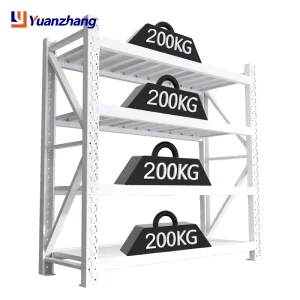
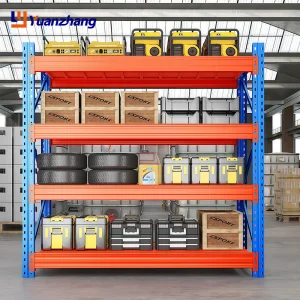
Explore our elite warehouse storage systems tailored to handle dynamic structural payloads above 1000kg per layer safely.
Analysis of the regional supply chain challenges in West Africa and how advanced structural rack design bridges the efficiency gap.
Nigeria's industrial sector is experiencing a significant structural transition. Driven by the rapid growth of localized manufacturing, Fast-Moving Consumer Goods (FMCG) distribution hubs, and agricultural processing zones (such as those in Ogun State, Agbara, and the Lekki Free Zone), supply chains require unprecedented footprint density. With urbanization rising and urban land acquisition in economic centers like Lagos, Onitsha, and Kano becoming highly expensive, logistics managers are compelled to optimize vertical space.
However, storing bulk commodities, industrial machinery components, raw agricultural goods, and imported chemical raw materials demands rack systems with structural load capacities exceeding 1000kg per layer. Standard light-to-medium-duty storage systems fail prematurely under these heavy payloads, creating substantial safety hazards and liability risks. High-capacity racking becomes not just an asset, but a safety prerequisite.
Note for Enterprise Buyers: Port congestion in Lagos (Apapa and Tin Can Island) often means cargo must sit in transit warehouses for extended periods under heavy, unstable stack conditions. Investing in structural racking systems engineered for 1000kg+ capacity per level mitigates operational risk and prevents structural collapses.
Coastal logistics zones in Lagos and Port Harcourt expose structural steel to aggressive atmospheric corrosion, exacerbated by high saline levels and humidity. Traditional steel coatings break down quickly, leading to structural fatigue, steel thinning, and eventual collapse of the storage framework. Additionally, sub-optimal warehouse flooring in many regional facilities demands heavy-duty load distribution plate structures at the base of vertical columns to prevent floor cracking and shifting.
To withstand these localized parameters, industrial warehouses in Nigeria must employ cold-rolled structural steel profiles that undergo premium surface passivation, chemical pre-treatment, and high-polymer electrostatic powder coating. These treatments are essential to maintain safety coefficients over decades of operational use.
Why 1000kg+ single-layer loading demands rigorous engineering and high-grade metallurgical selection.
1. Box Beam Optimization: Standard step beams are replaced with heavy-duty box beams or step-welded beams. For a 1000kg load, we utilize dual-C channel welded configurations (typically 100x50mm up to 140x50mm, with thicknesses up to 2.0mm) to guarantee zero beam deflection under static loads.
2. Upright Frame Upgrades: The structural uprights feature custom-profile cold-formed steel sections (e.g., 90x70mm or 100x80mm) with multiple fold points to maximize the radius of gyration, ensuring resistance to local buckling.
3. Anti-Collapse Safety Accessories: Each load-bearing level is fortified with multiple support crossbeams (pallet support bars) to distribute localized load anomalies, preventing pallet sag or frame twist.
How Shenzhen Yuanzhang Trading Co., Ltd. delivers consistent, cost-controlled, certified heavy-duty storage infrastructure globally.
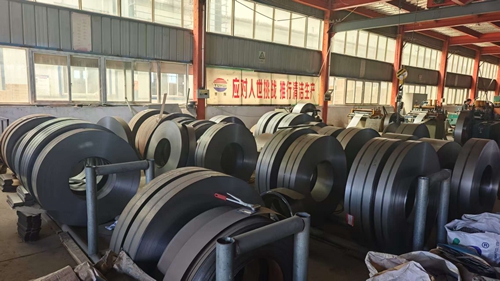
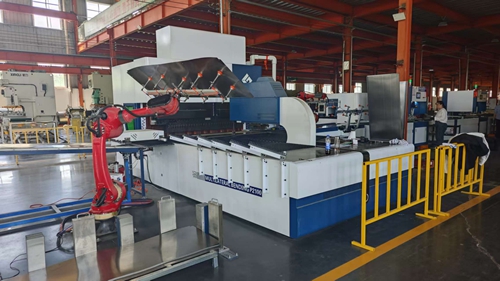
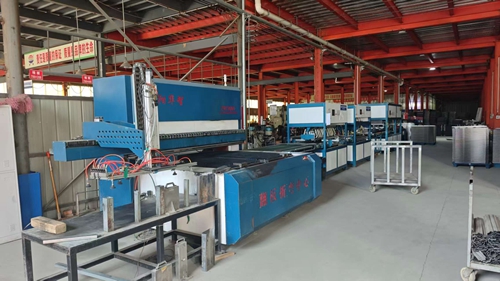
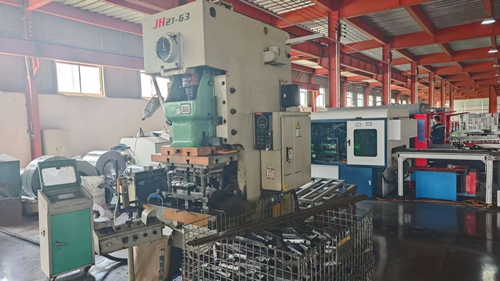
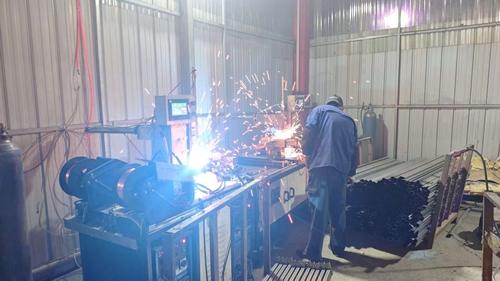
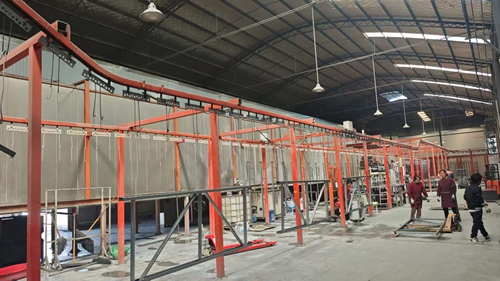
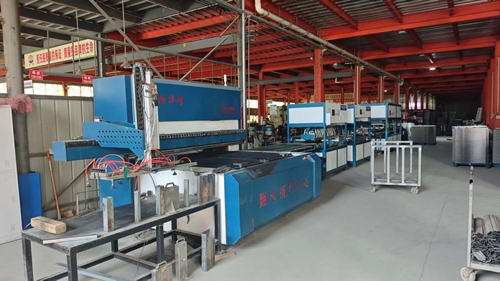
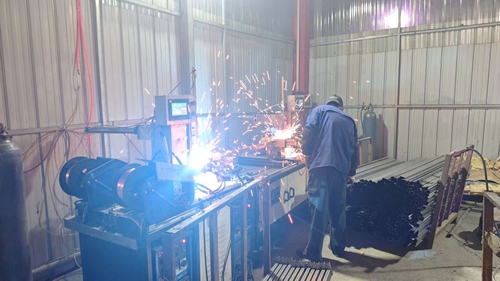
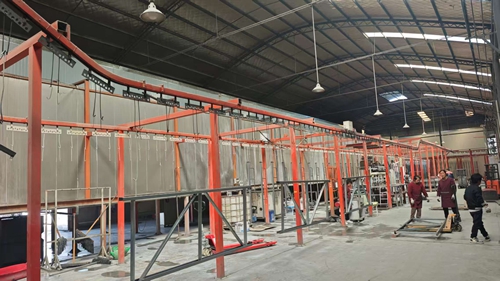
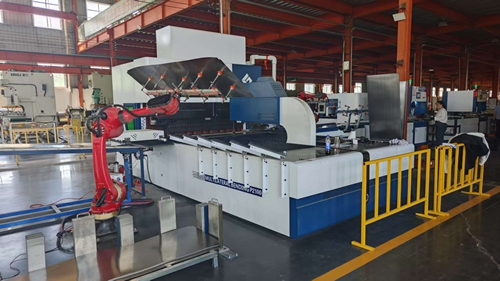
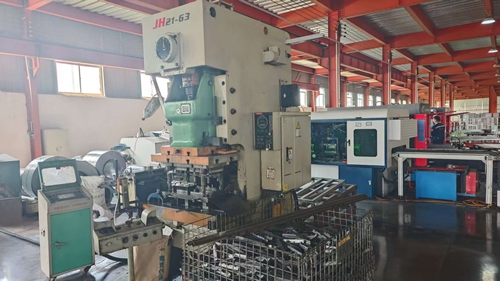
Operating a 35,000 m² state-of-the-art production facility, our manufacturing lines integrate advanced automated roller pressing, robotic welding stations, and an eco-friendly automated powder-coating line. This high level of automation guarantees structural consistency across large production runs, eliminating manual welding errors that compromise load capacity.
With an annual export value of $28 million USD and a resilient supply chain containing more than 800 strategic raw material suppliers, we guarantee consistent lead times despite international logistics volatility. For procurement managers in Nigeria, this translates to predictable project execution schedules and cost savings.
We employ 25 professional research and development engineers who utilize Finite Element Analysis (FEA) to simulate load dynamics based on your warehouse coordinates, floor specs, and pallet sizes. Whether your facility needs specialized vertical height clearances or adapted footprint spans to handle non-standard cargo in Lagos industrial parks, our engineering team can customize the structural design to fit your requirements.
Furthermore, our dedicated QA/QC team of 45 inspectors carries out automated ultrasonic testing, raw material stress tests, and destructive structural fatigue testing to verify that every production batch matches European FEM and American RMI standards.
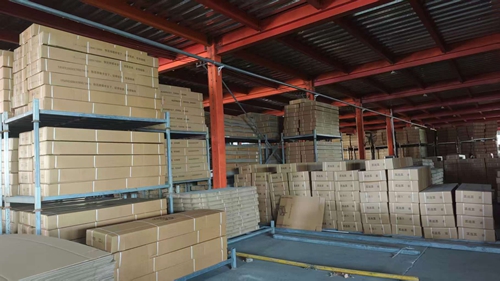
Every step of our process—from raw material selection to finished goods packing—is carefully inspected to ensure peak durability.
Adapting warehouse logistics configurations to match Nigeria's primary industrial sectors.
From processed grains to cocoa sacks, raw agricultural materials are stored in bulk bags or wood pallets. In humid conditions, safe stacking height is limited. Our 1000kg+ capacity racking systems enable safe multi-layer storage configurations. This setup prevents bottom-layer crushing and improves inventory rotation via First-In, First-Out (FIFO) mechanics.
Import and export activities require dense, heavy cargo consolidation. Fast-moving cold storage warehouses (fish, poultry, pharma) require anti-rust, low-temperature-resistant heavy-duty shelving. Our hot-dip galvanized and special powder-coated options maintain structural integrity down to -40°C, maximizing cold room volume efficiency.
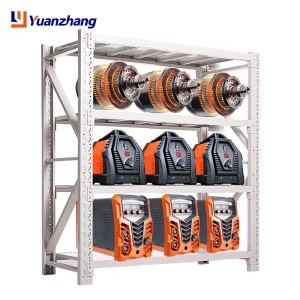
Spares and heavy mechanical machinery parts require robust structural shelving. Standard shelving units often buckle under localized concentration loads. Our 1000kg+ dynamic layer racks distribute load points to prevent deflection, guaranteeing smooth, safe loading with heavy-duty forklifts.
High-turnover consumer goods and heavy containers of raw chemicals must be stacked systematically. We supply heavy pallet racking structures customized for fast transit, integrating crash barriers, column protectors, and frame shielding to resist daily forklift impacts.
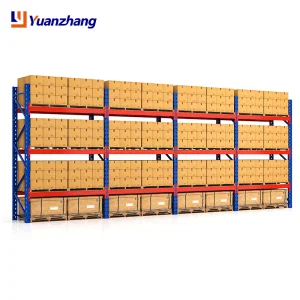
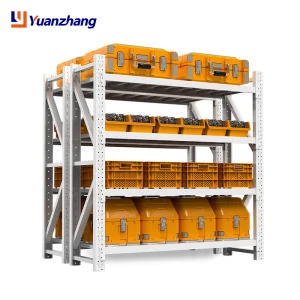
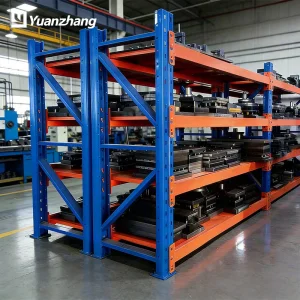
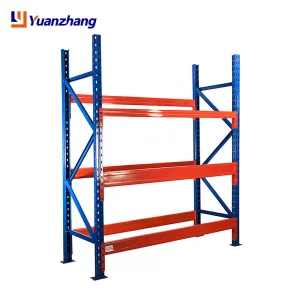
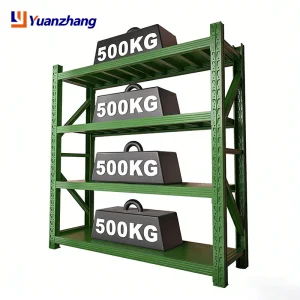
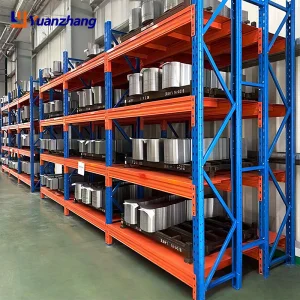
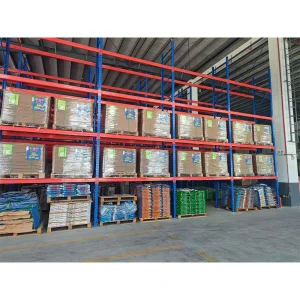
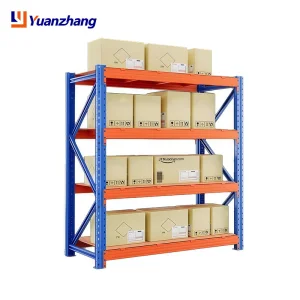
Explore our full line of industrial warehouse products. All items support customization to meet Nigeria's local load-bearing and safety requirements.
Answers to critical structural engineering, import customs, and installation questions for the Nigerian market.
 Yuanzhang Rack