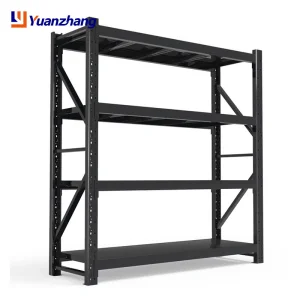
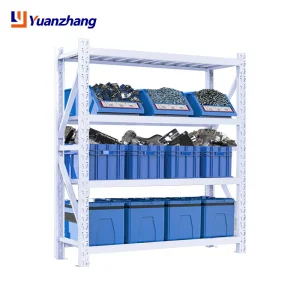
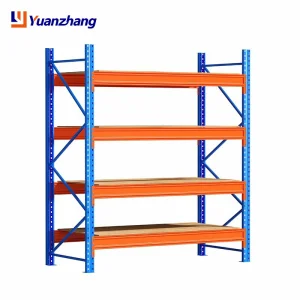
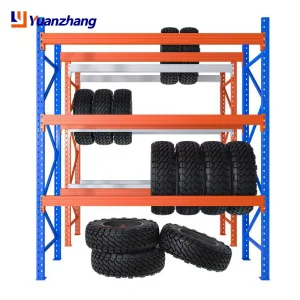
Engineered specifically to support 600 - 1000 kg single-layer loads with strict deflection criteria under industrial operational conditions.
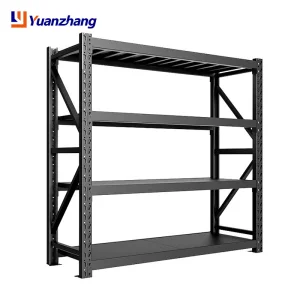
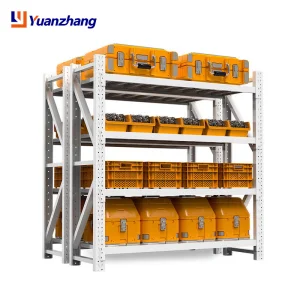
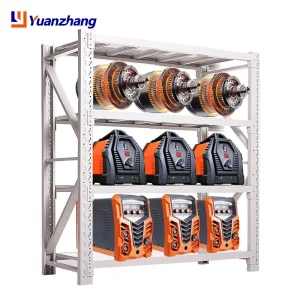
Unlocking supply chain performance under demanding geographical and infrastructural conditions.
Pakistan's key industrial centers—Karachi (Port Qasim & Korangi), Lahore (Sundar Industrial Estate), and Faisalabad—are undergoing rapid modernization. With the rise of integrated logistics networks and localized FMCG manufacturing, the transition from unorganized low-height warehouses to high-density racking environments is paramount.
Large parts of Pakistan, including Islamabad, Rawalpindi, and parts of Balochistan, lie in high-risk seismic zones (Zones 2B, 3, and 4). Racking structures supporting heavy payloads between 600 kg and 1000 kg per layer must feature seismic base plates, structural dual-weld bracings, and higher thickness ratios to prevent localized structural collapse.
Warehouses close to the Arabian Sea in Karachi suffer from high relative humidity and salt-laden corrosive atmospheres. Utilizing standard commercial steel without appropriate pre-treatment results in rapid oxidation. Our solutions integrate electrostatic powder coating and galvanization to ensure extended structural integrity.
As the China-Pakistan Economic Corridor (CPEC) continues to develop trade corridors from Gwadar to Kashgar, logistics hubs are seeking storage assets that align with international benchmarks. Implementing single-layer load designs of 600 - 1000 kg ensures that heavy machinery parts, industrial chemicals, bulk agricultural goods, and textile raw rolls can be stacked securely up to heights exceeding 10 meters, drastically lowering footprint cost per square meter.
Why structural raw material selection and finite element analysis (FEA) determine safe long-term warehouse performance.
When specifying storage systems rated for 600 kg to 1000 kg per level, structural deflection parameters dictate the overall safety profile of the facility. According to European EN 15512 and RMI standards, the maximum allowable vertical deflection of a loaded beam must not exceed L/200 (where L is the span length of the beam). For a standard 2700mm pallet beam, this restricts deflection to a maximum of 13.5mm under peak load.
To reliably meet these specifications in Pakistan's manufacturing sectors, our production uses high-strength structural carbon steel grades, primarily Q235B and Q355. Q355 steel features a yield strength of 355 MPa, allowing for thinner metal profiles with enhanced structural rigidity, thus reducing overall freight weight without sacrificing safety.
| Racking Core Parameter | Medium Duty (600 kg Capacity) | Heavy Duty (1000 kg Capacity) | Testing Standards & Compliance |
|---|---|---|---|
| Upright Column Profile | 70 × 60 × 1.8 mm | 90 × 70 × 2.0 mm (or 2.3 mm) | EN 15512 / ISO 9001 |
| Beam Section Size | 80 × 50 × 1.5 mm Step/Box Beam | 100 × 50 × 1.5 mm Box Beam | RMI Standard / FEM 10.2.02 |
| Deflection Ratio Limit | L/200 (Under Full Static Load) | L/200 (Under Full Static Load) | EN 15620 Structural Class 400 |
| Surface Pre-treatment | Acid Pickling & Phosphating | Sandblasting & Zinc-rich Primer Option | ASTM B117 Salt Spray (Up to 500 hrs) |
| Safety Factor Index | 1.5 : 1 (Structural Overload Limit) | 1.5 : 1 (Structural Overload Limit) | AS4084 Steel Storage Racking Code |
Every warehouse facility features unique dimensions, column layouts, and operational handling systems (e.g., reach trucks, counterbalance forklifts, VNA stackers). We offer fully customized dimension configurations, adjusting column pitch, beam levels, and incorporating specialized steel shelves (wire mesh decking, steel panels, or drop-in support bars) to suit specific material formats, from textile fabric rolls to industrial chemical drums.
Established in 2015, Shenzhen Yuanzhang Trading Co., Ltd. has developed into a leading designer, manufacturer, and exporter specializing in heavy-duty warehouse racking and custom industrial storage configurations. Powered by over 12 years of specialized industry production expertise and 8 years of dedicated international trade operations, we support major projects across the globe.
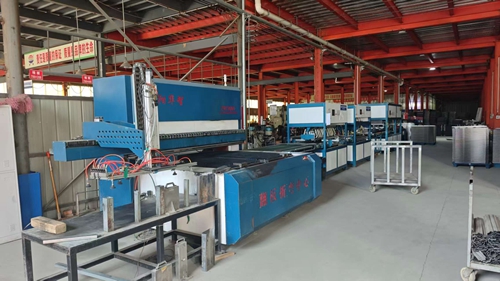
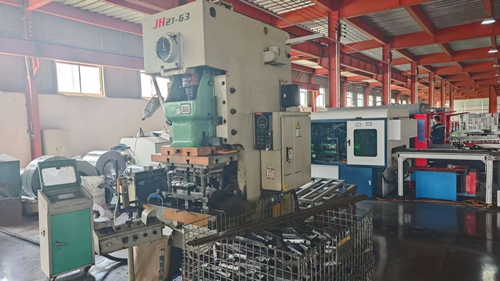
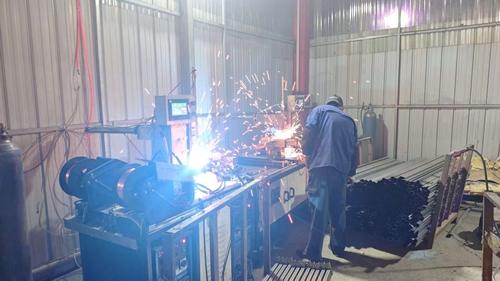
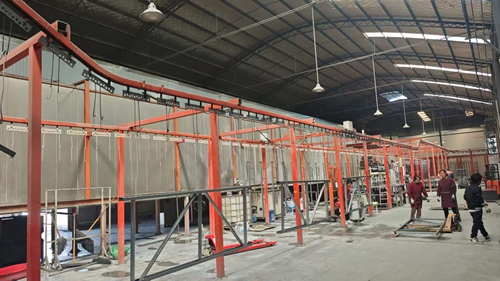
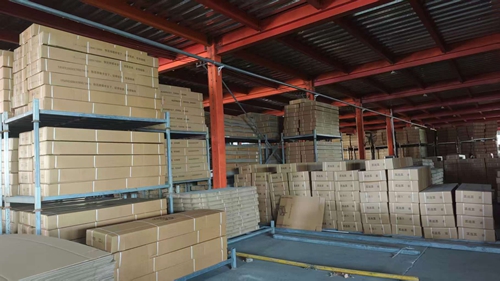
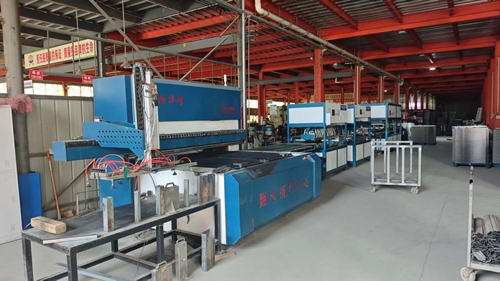
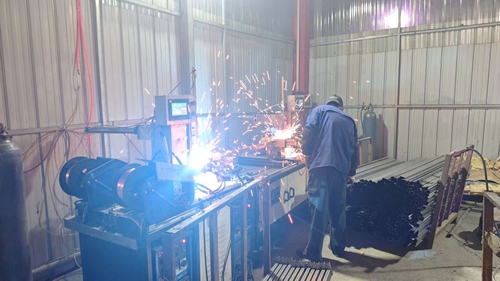
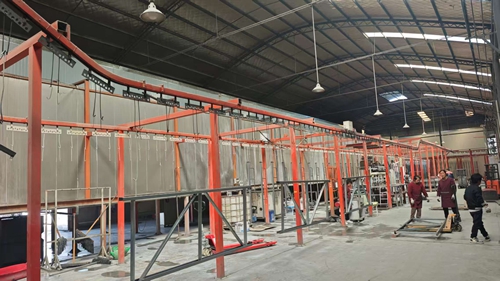
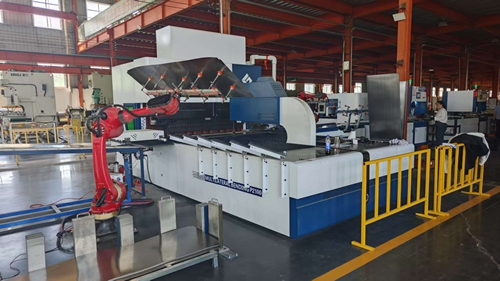
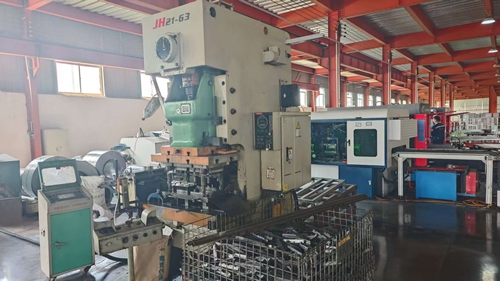
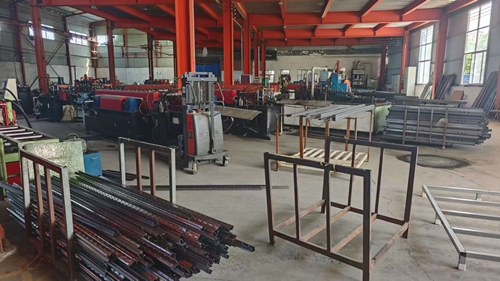
Operating from our 35,000 square meter ISO-certified factory, our structural capabilities are backed by 25 R&D engineers, ensuring that every project is structural-safety analyzed before deployment. With 45 QA/QC inspectors monitoring automated ultrasonic weld lines, paint consistency, and load capacity compliance, we bring high-reliability systems to our partners.
Continuous investment in automated production guarantees tight tolerances, uniform coating, and structural reliability.
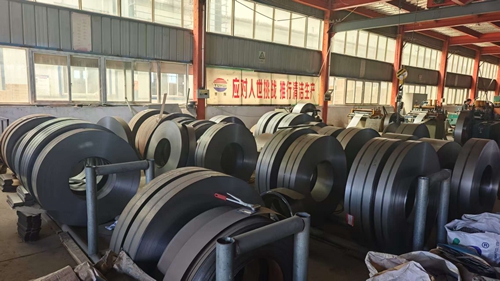
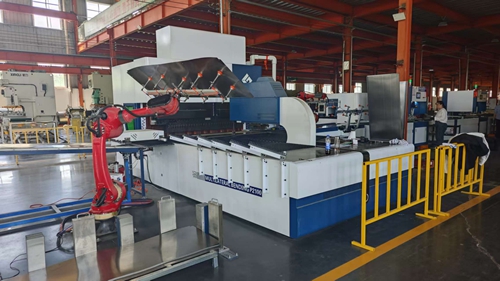
Understanding regional structural compliance to guarantee safe warehouse setups in Pakistan's primary cities.
Deploying industrial pallet racking in areas like Karachi, Lahore, Sialkot, or Faisalabad requires careful consideration of structural engineering codes. Due to tectonic activity in the region, the Building Code of Pakistan (BCP) classifies seismic hazard zones ranging from Zone 1 to Zone 4. Our engineering team designs base plates and frames in accordance with Eurocode 8 (Seismic design of structures) and FEMA guidelines, ensuring that standard upright systems are anchored with expansion bolts sized to resist dynamic shear stress.
For logistics managers in Lahore and Sialkot, where agricultural storage and consumer goods operations generate constant inventory movement, warehouse structural safety is a daily priority. Standard precautions include column protectors and heavy-duty frame end barriers. Our column guards are fabricated from cold-rolled steel profiles and finished in high-visibility safety yellow, absorbing impact energy from forklifts and preventing column deformation.
Furthermore, high-humidity storage areas, such as cold rooms and dry-dock facilities at Karachi Port, demand specialized corrosion protection. While standard powder coating is adequate for inland dry climates, we recommend hot-dip galvanized panels or epoxy powder finishes for coastal operations. This provides long-term resistance to rust and oxidation, ensuring structural durability and maintaining the system's loading capacity over years of service.
Transitioning heavy-duty racking systems to accommodate automated retrieval systems (AS/RS) and automated guided vehicles (AGVs).
The future of warehouse operations in Pakistan is shifting toward automation. Modern logistics designs integrate standard heavy-duty selective pallet racking with shuttle runner systems. Shuttle systems enable deep-lane storage, allowing pallets to be positioned dynamically on special rails. This configuration increases pallet density by up to 60% compared to standard wide-aisle racking systems.
As automation technologies advance, we ensure that our heavy-duty steel shelves and upright frames are manufactured to the high structural tolerances required for crane and robotic operations. This includes tight control over manufacturing variations (down to ±1mm deviations in vertical alignment) to guarantee the seamless operation of automated systems.
Common operational and structural questions answered by our engineering and logistics specialists.
Select the optimal design configuration to match your building envelope, floor loading capacity, and processing requirements.
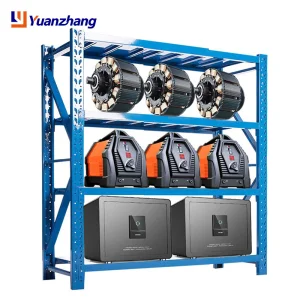
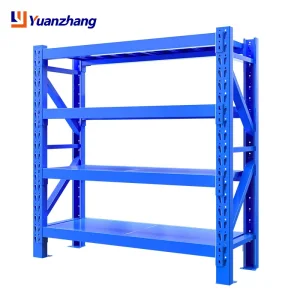
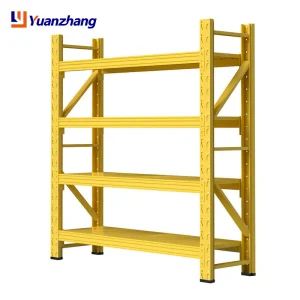
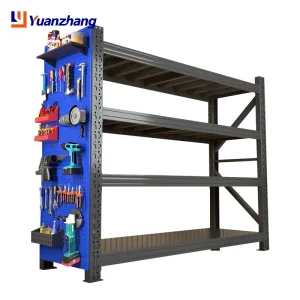
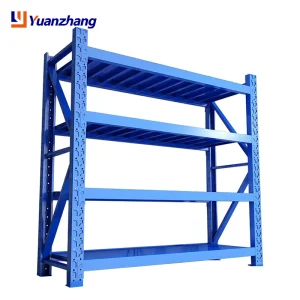
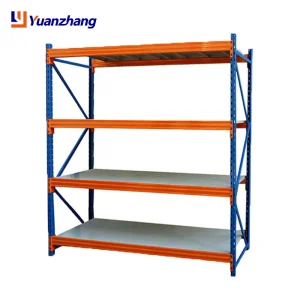
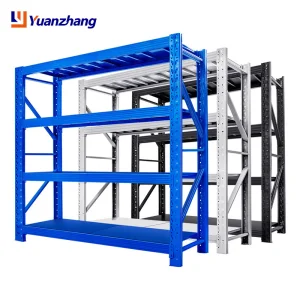
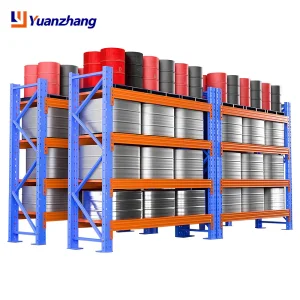
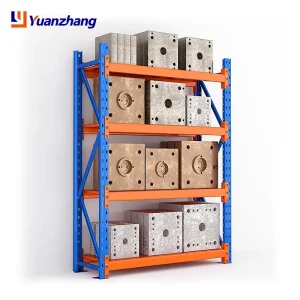
Get in touch with our design engineers for a complimentary custom layout plan and quote designed for your facility's requirements.
Get a Custom Design Layout Now Yuanzhang Rack