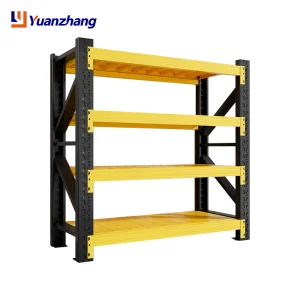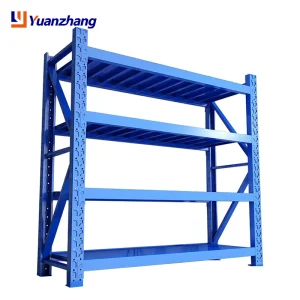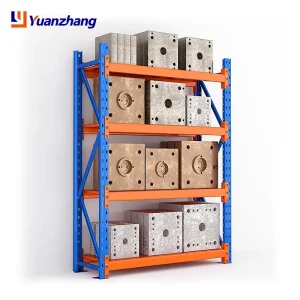
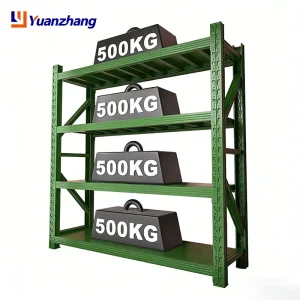
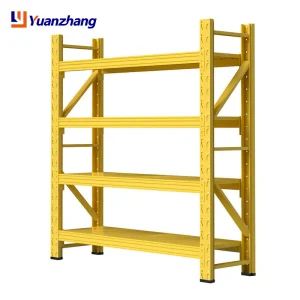
The Greater Nagoya area (Chubu region) represents the industrial heartland of Japan, dominating global markets in automotive engineering, aerospace technologies, machine tools, and precision component logistics. Facilities located in Nagoya Port zones, Toyota City, Komaki, and Kariya require industrial-grade structural racking that bridges the gap between light-duty retail shelving and ultra-heavy pallet racks. This is where single-layer weighing capacities of 300 to 600 kg play an essential role.
Within this operational range, racking systems must be engineered to withstand intensive duty cycles under the strict constraints of the Toyota Production System (TPS). Just-In-Time (JIT) storage layouts demand high accessibility, complete modularity, and rapid reconfigurability without compromising dynamic stability. Racking units within the Nagoya market cannot simply be imported off-the-shelf; they must adapt to strict local floor-loading requirements, automated guided vehicle (AGV) routing zones, and Japanese occupational health and safety benchmarks.
This specific weight class matches the standard dry weight of complete automotive sub-assemblies (such as transmissions, steering racks, and hybrid electric drivetrain components), industrial tooling dies, and specialized raw materials stored in standard small-to-medium industrial bins (Kamban containers). Selecting a precisely rated 300 - 600 kg shelving configuration ensures structural safety while eliminating the wasteful capital expenditure associated with over-engineering.
Our customized steel racking systems with a single-layer weighing capacity of 300 - 600 kg are optimized for the following primary local application scenarios:
In Nagoya's sub-assembly plants, parts must be pre-sorted and staged for delivery directly to assembly lines. Our boltless and longspan systems support heavy plastic crates filled with steel castings, mechanical fasteners, and vehicle harnesses. The adjustable levels allow operators to quickly scale shelf heights based on batch demands.
Nagoya's mold makers and machine-tool workshops require storage systems that resist deformation under dense, localized loads. Standard shelving collapses under concentrated heavy toolings. Our reinforced steel shelves utilize horizontal stiffeners and dual-bend posts to isolate point loads up to 600 kg per level, preventing steel fatigue.
Imported and exported cold foods, pharmaceuticals, and chemical materials stored in proximity to Nagoya Port require rust-proof, temperature-stable racking systems. Our custom hot-dip galvanized and powder-coated steel racks resist chemical corrosion and structural embrittlement down to -40°C, ensuring compliance with local food safety regulations.
Operating in Nagoya means engineering for high seismic activity. Japan's building codes require industrial equipment to be highly stable during earthquakes. Under the JIS (Japanese Industrial Standards) Z 8701 code for racking structures, our 300 - 600 kg capacity systems integrate key safety engineering design factors:
We utilize certified Q235B cold-rolled steel (equivalent to SS400 under JIS specifications), featuring minimum yield strength values optimized to prevent deflection. The structural design maintains a deflection limit of less than L/200 under maximum loading, preventing permanent deformation.
Each upright column features optimized profiles with double-fold geometry to increase the load radius of gyration. Seismic footplates are bolted directly into reinforced concrete floor slabs using heavy-duty mechanical expansion bolts, dispersing lateral shear forces during seismic events.
All metal shelving structures are treated with a multi-stage pre-treatment wash (including phosphoric acid rust removal) followed by an electrostatic powder coating cured at 200°C. This ensures a uniform coat thickness of 60–80 microns, yielding exceptional resistance against impact and humidity.
Established in 2015, Shenzhen Yuanzhang Trading Co., Ltd. is a leading manufacturer and exporter specializing in heavy-duty warehouse racking and customized industrial storage systems. Operating out of a state-of-the-art 35,000 m² production facility, we bring 12 years of deep industry expertise and 8 years of dedicated international trade experience to global logistics and commercial storage projects.
Driven by technical excellence, our operations are backed by a robust research and development center staffed with 25 expert R&D engineers. Demonstrating our strong commitment to innovation, we launched over 150 new storage solutions last year alone. We offer fully versatile OEM/ODM custom options, including specialized dimensions, weight capacity adjustments, surface coatings, and modular structural designs to meet diverse client requirements.
Quality and reliability form the foundation of our business. We enforce strict multi-stage quality control—utilizing advanced automated ultrasonic testing, raw material stress analysis, and load-bearing fatigue assessments executed by a dedicated team of 45 QA/QC inspectors.
With annual export revenue reaching $28 million USD and a resilient global supply chain network of over 800 strategic raw material and component partners, we maintain steady delivery timelines worldwide. Our primary export markets span North America, Western Europe, Southeast Asia, and the Middle East. We proudly serve a diverse spectrum of global clients, ranging from large-scale third-party logistics (3PL) providers and industrial distributors to commercial warehouse developers and retail chain enterprises.
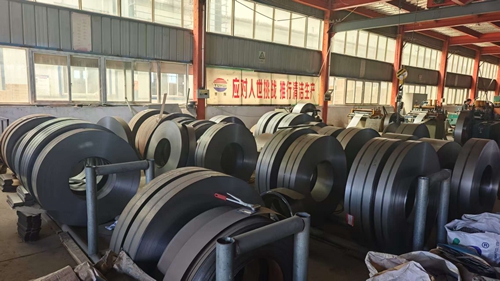
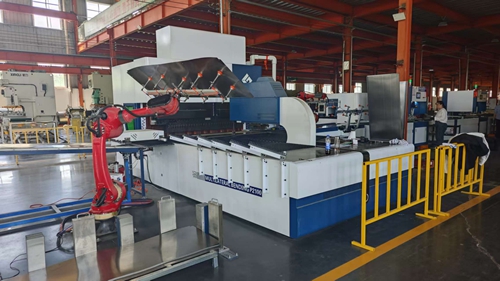
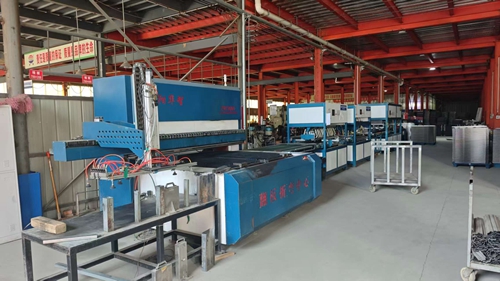
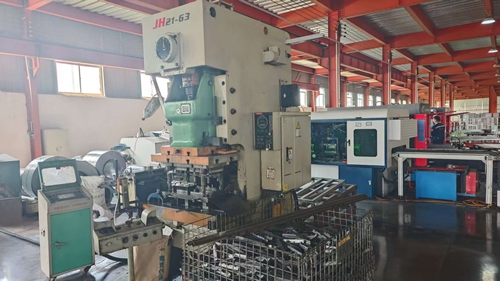
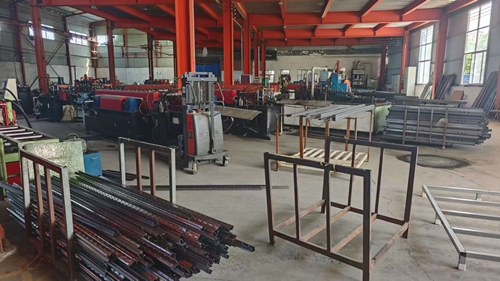
From premium raw sheet handling to automated roll forming and electrostatic powder curing, discover how our ISO 9001-certified factory processes ensure structural stability for every shelf we deliver:
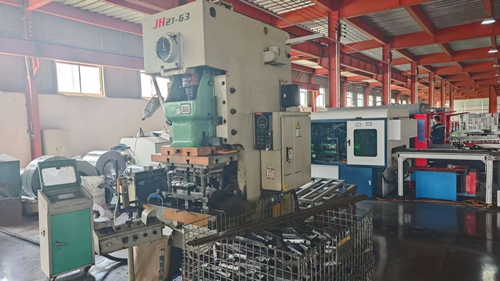
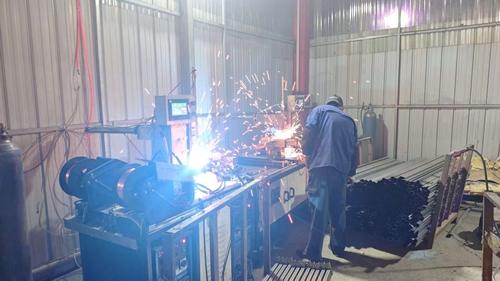
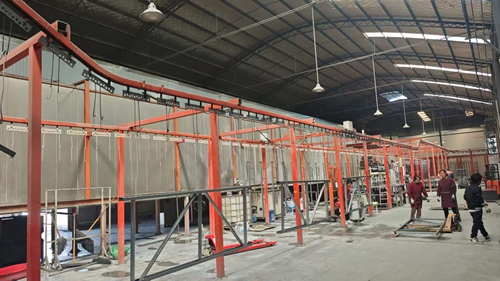
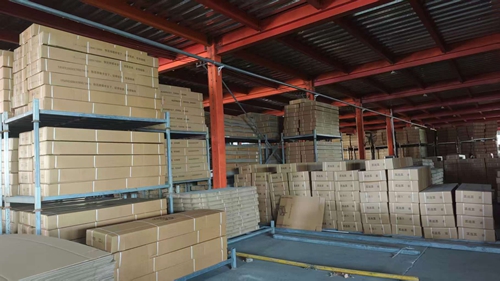
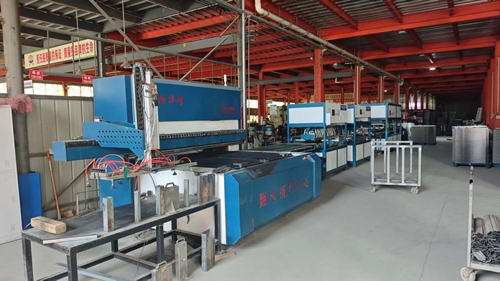
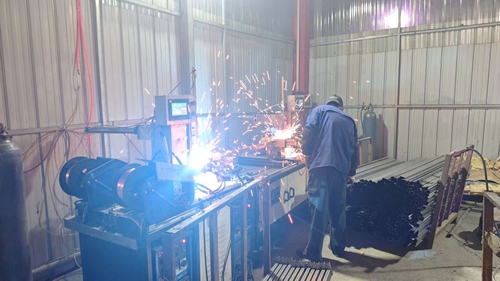
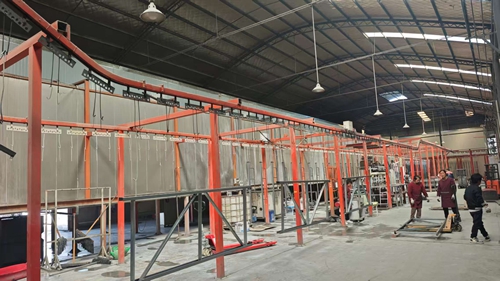
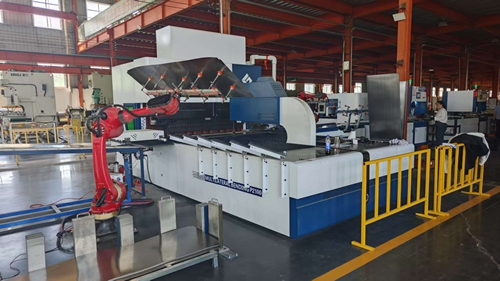
In today's volatile macroeconomic environment, manufacturing and logistics projects face prolonged lead times, material cost shocks, and shipping disruptions. Shenzhen Yuanzhang mitigates these risks for Nagoya-based operators through direct-factory supply networks. Located in Shenzhen, adjacent to major deepwater ports (Shekou and Yantian), our facilities offer optimized maritime freight connections straight to the Port of Nagoya.
Our structural supply chain resilience is rooted in our integration with raw steel hubs, offering stable raw-material access even during steel price fluctuations. Furthermore, our 35,000 m² factory capacity ensures steady dispatch schedules. In contrast to domestic Japanese fabricators, who often quote 12-to-16-week lead times, our factory turnaround averages 4 to 6 weeks, followed by a fast ocean transit route to Aichi Prefecture.
Our export operations team handles all customs preparation, import clearance documents (including tariff documentation), and logistics routing. Working alongside local Japanese port clearing agents, we coordinate drop-shipping directly to factory floor locations across Nagoya, Obu, Komaki, Toyota, and Mie.
For high-performance warehousing systems, safety is non-negotiable. Shenzhen Yuanzhang has established strict QA/QC testing protocols to verify structural performance before dispatch:
Large-scale racking installations within Nagoya must comply with municipal fire codes and building structural codes. Racking structures must not obstruct warehouse sprinkler systems or block dynamic airflow. Our adjustable steel racks utilize perforated panel layouts and mesh decking options, meeting fire protection criteria. We also supply raw material mill test certificates (EN 10204 3.1) and structural calculation sheets to support safety audits.
As Aichi Prefecture moves toward industrial automation (Society 5.0), static racking systems are evolving into cyber-physical storage systems. The future of 300 - 600 kg capacity racking lies in integration with advanced automation technologies:
Modern warehouses utilize Autonomous Mobile Robots (AMRs) to retrieve pallets from rack levels. Our systems are manufactured with precise spacing margins, allowing forklift robots to interface smoothly with storage slots without mechanical impact.
By integrating RFID tags and digital sensors directly into the step-beams of our 300 - 600 kg racks, facilities can implement real-time weight monitoring. This prevents overloading and provides live inventory tracking, aligning with Nagoya's digital transformation (DX) initiatives.
To support global sustainability goals, our production facilities are optimizing powder coating recycling loops and energy efficiency, offering carbon-monitored manufacturing options for Nagoya enterprises targeting green credentials.
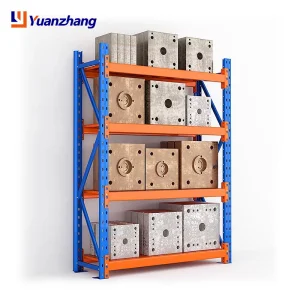
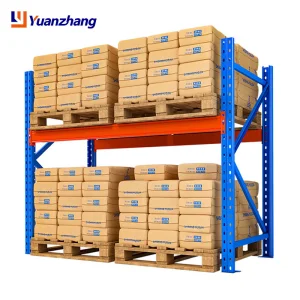
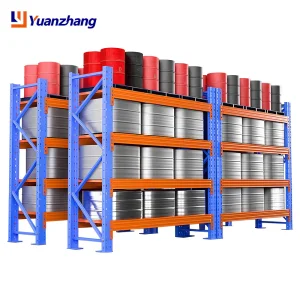
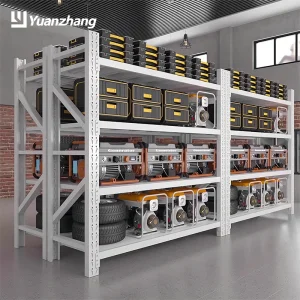
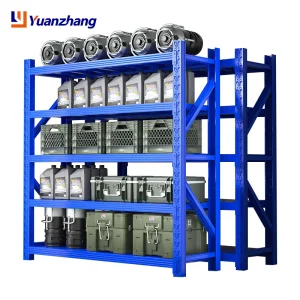
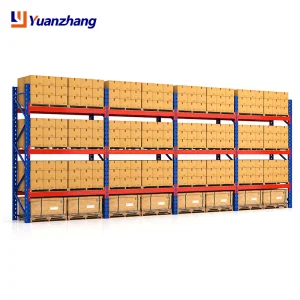
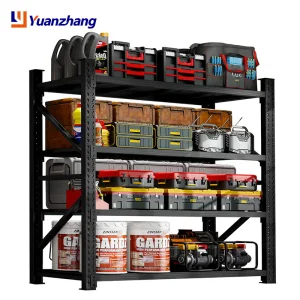
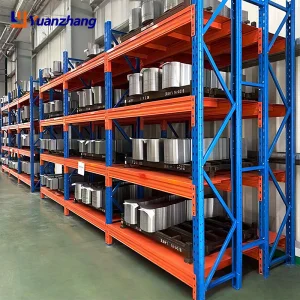
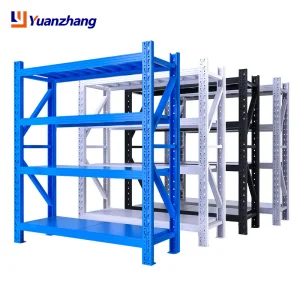
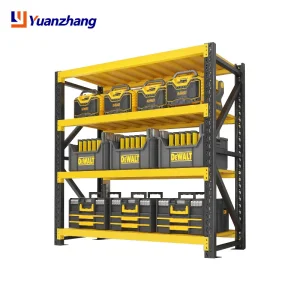
Browse our full range of industrial shelving and heavy-duty configurations, built for high structural reliability:
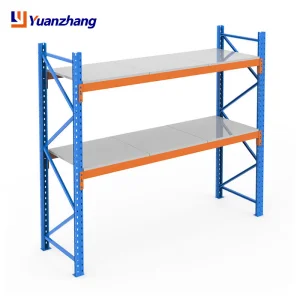
Connect with our technical design team today. We provide structural drawings, weight-bearing calculations, and customized OEM/ODM quotes within 24 hours.
 Yuanzhang Rack