Yuanzhang Rack
Industrial Racking Landscape in Russia: Strategic Demands & Climatic Challenges
Russia's logistics and industrial storage sector is currently witnessing a massive transformation. Rapid growth in domestic retail supply chains (spurred by e-commerce giants like Ozon and Wildberries), combined with structural realignments in manufacturing, has made warehouse optimization a top priority. In major hubs from Moscow and Saint Petersburg to Yekaterinburg and Novosibirsk, logistics managers face a dual challenge: maximizing vertical storage density while ensuring safety compliance under strict national standards like GOST R 55525-2017.
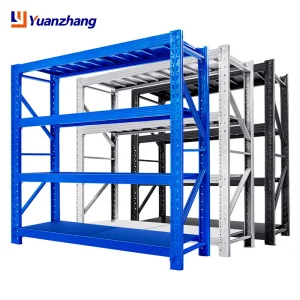
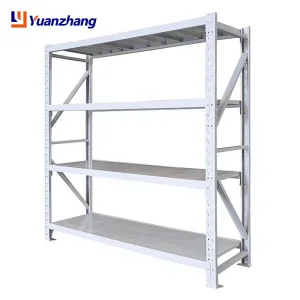
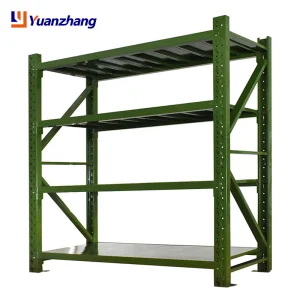
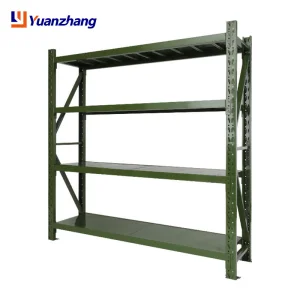
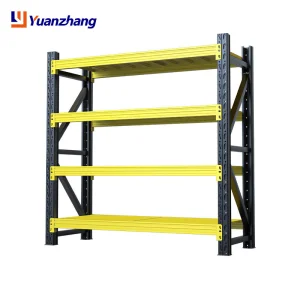
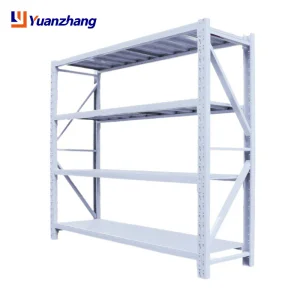
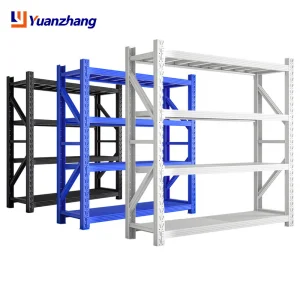
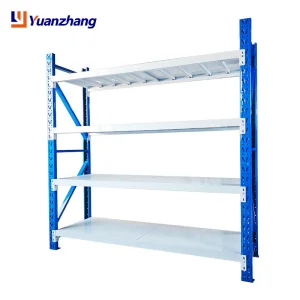
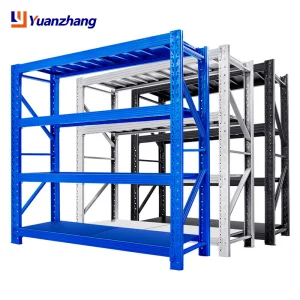
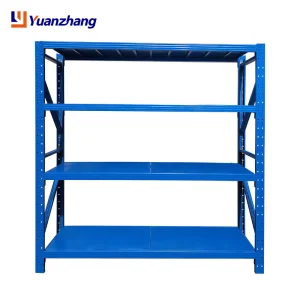
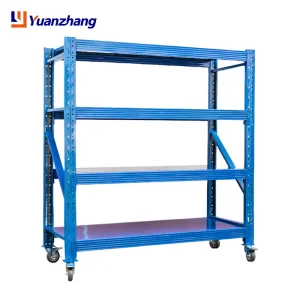
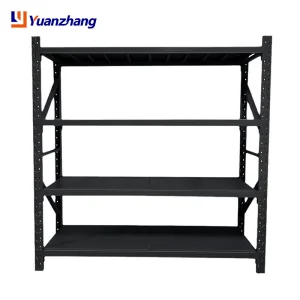
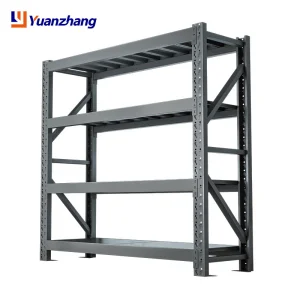
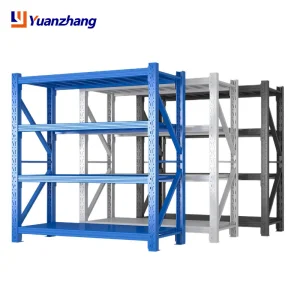
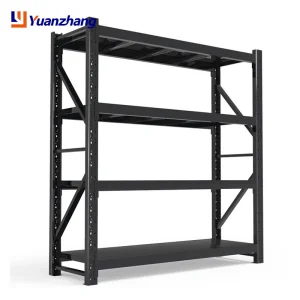
The medium-duty storage tier, specifically configurations supporting a single-layer weighing capacity of 100 to 300 kg, represents the most versatile and highly sought-after segment in Russian warehouses. These units bridge the gap between light commercial shelving and heavy pallet racking. They are optimal for auto parts distribution, pharmaceutical storage, small-to-medium manufacturing assembly lines, and high-frequency parcel sorting centers.
Siberian Cold-Chain Resilience and Mechanical Performance
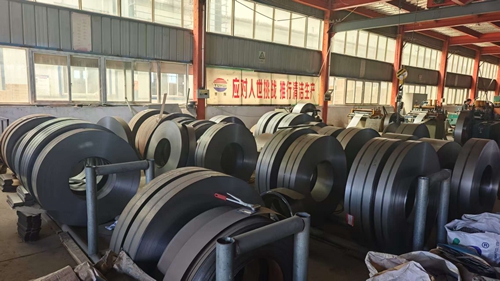
One of the most critical factors in Russia is structural performance under low temperatures. Warehouses located in Siberia and the Far East experience ambient temperatures that can plunge to -40°C or lower. Standard structural steel is prone to cold embrittlement, where tensile strength remains high but ductility drops, causing materials to fracture under sudden impacts. Our racking systems utilize premium-grade cold-rolled steel (equivalent to SPCC / Q235B) treated with electrostatic powder coatings that resist thermal cracking. This ensures the 100 - 300 kg load capacity remains stable and secure even in unheated facilities or specialized sub-zero refrigeration zones.