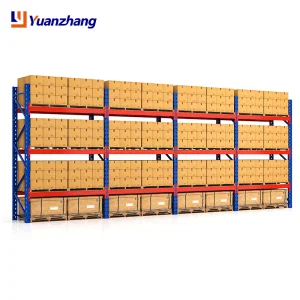
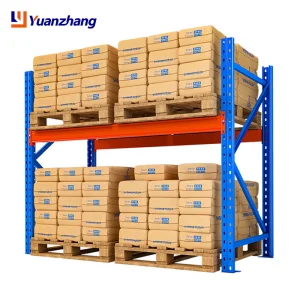
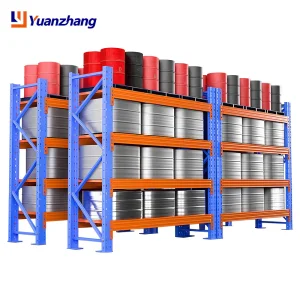
Premium Industrial Shelving engineered to maximize vertical clearance and seismic stability in Osaka Bay Logistics Complexes
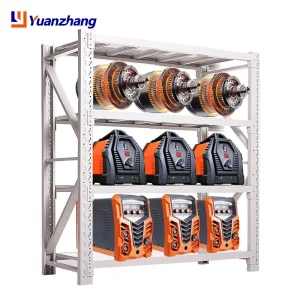
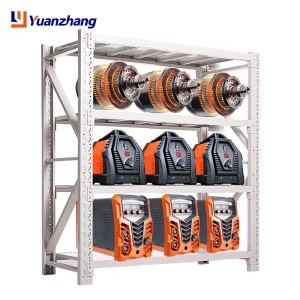
Shenzhen Yuanzhang Trading Co., Ltd. (established in 2015) provides Japanese enterprises with world-class, cost-efficient industrial storage racks backed by modern fabrication facilities.
As Japan's historic commercial gateway and the second-largest metropolitan economy, the Greater Osaka and Kansai region (spanning Osaka Bay, Sakai, Kobe, and Amagasaki) is undergoing an unprecedented modernization of its logistics architecture.
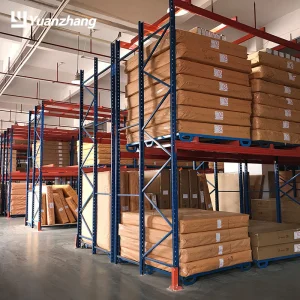
Driven by the exponential growth of e-commerce, the expansion of supply chains surrounding the upcoming Osaka Expo 2025 on Yumeshima, and the consolidation of third-party logistics (3PL) terminals, warehouse space in the Osaka Bay Area has become highly constrained. Modern distribution centers are shifting away from sprawling, low-density horizontal yards toward high-bay structural heights exceeding 10 to 15 meters.
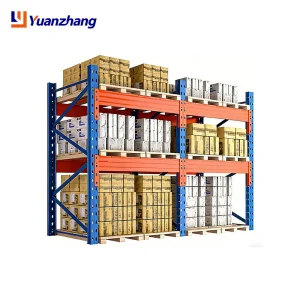
In this high-density storage paradigm, the structural integrity of heavy-duty storage shelves and pallet racking becomes a fundamental operational safety component. Floor space optimization requires heavy-duty racking systems that can support loads ranging from 1,000 kg to 3,000 kg per level, all while remaining resilient under the dynamic structural loads imposed by seismic events in the Kansai tectonic region.
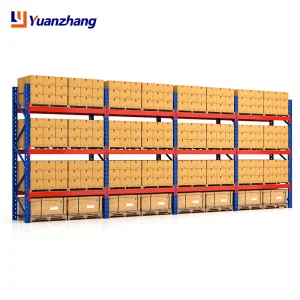
Yuanzhang's manufacturing capabilities cater directly to this shift, delivering high-tensile steel shelving configurations designed to interface seamlessly with modern forklift trucks and automated guided vehicles (AGVs) operating in high-density Osaka distribution hubs.
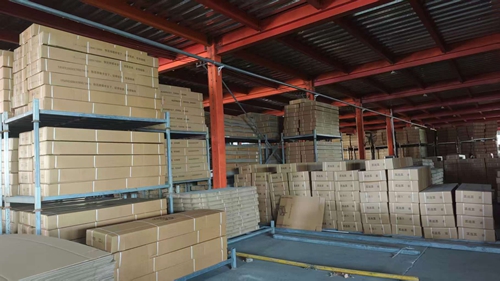
For any logistics infrastructure built along Osaka Bay or the wider Kansai plain, seismic protection is the single most critical engineering criteria. Racking systems must comply with local building regulations and Japanese Industrial Standards (JIS Z 0620).
Standard storage configurations built for seismic-dormant regions are prone to buckling, row-end overturning, and beam-connection failures when subjected to lateral earthquake forces. To mitigate these risks for our Osaka clients, Yuanzhang implements specific mechanical enhancements:
By simulating Kansai-specific seismic spectra on our structural designs, we ensure our high-bay pallet racking limits horizontal deflection, preventing catastrophic pallet sheds and keeping warehouse personnel protected.
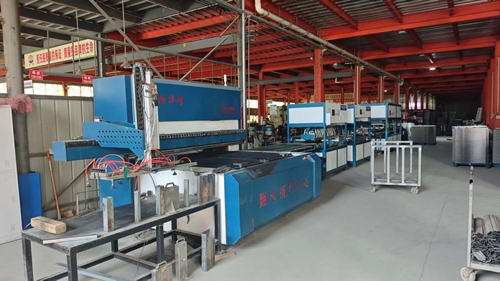
Harnessing raw material partnerships, automated manufacturing, and direct maritime shipping corridors to deliver cost-optimized, highly reliable solutions.
A key challenge facing Osaka warehouse developers is procurement lead time and rising steel fabrication costs within Japan. Yuanzhang bridges this gap by combining highly efficient automated manufacturing in China with a resilient logistics network that guarantees rapid container shipping from major Chinese maritime ports directly to the Port of Osaka.
Our 35,000 m² factory operates multiple fully automated cold-rolling mills, robotic welding cells, and automated electrostatic powder coating lines. This machinery allows us to maintain strict tolerances, eliminate manual welding variances, and achieve high production throughput (over 150 new customized designs launched annually). Furthermore, with a network of 800+ strategic raw material suppliers, we are shielded from material shortages, securing bulk pricing advantages that we pass directly to our clients.
Transit lanes from our factory to the Port of Osaka are highly optimized. Standard transit times for container ocean shipping typically range from just 5 to 7 days port-to-port, allowing Kansai projects to meet critical construction milestones without the typical lead-time delays associated with local procurement.
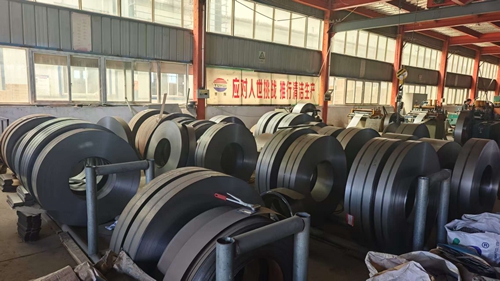
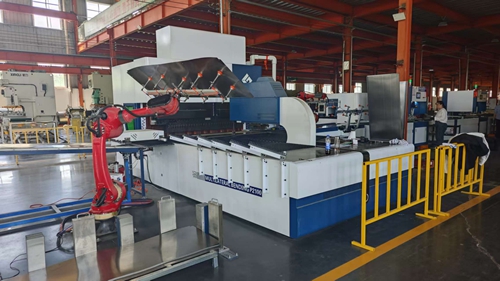
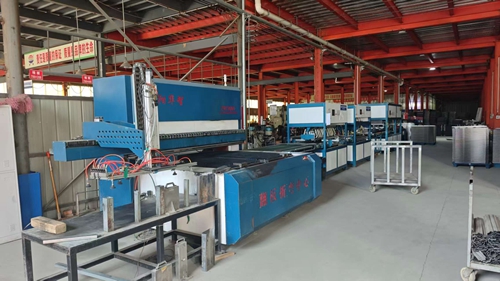
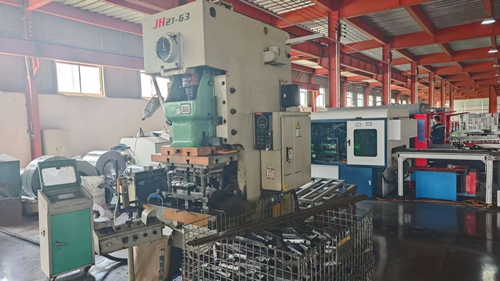
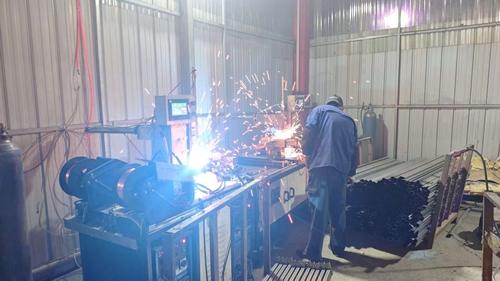
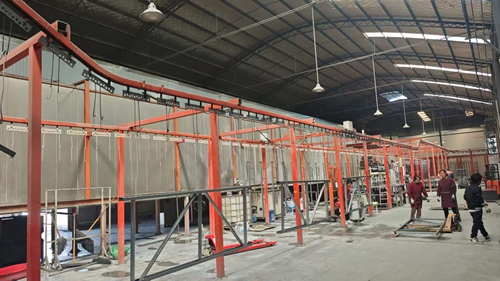
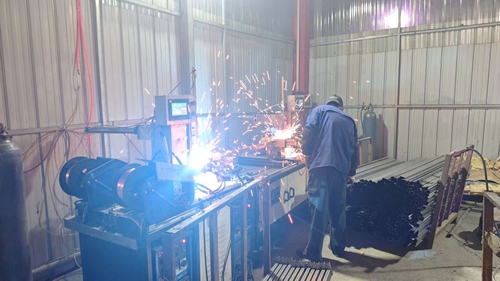
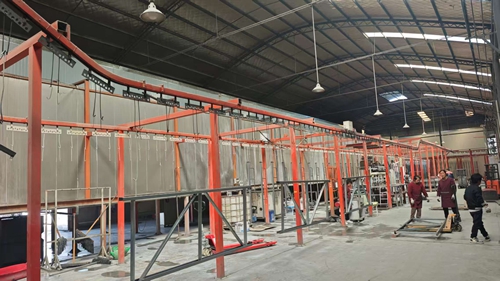
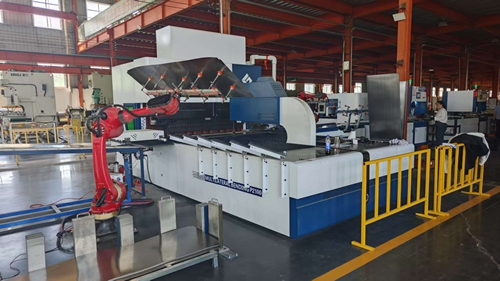
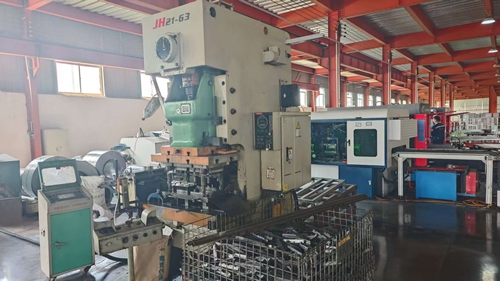
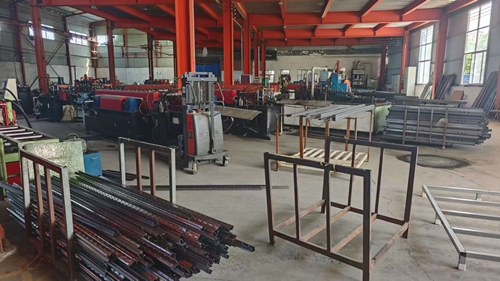
Advanced racking structures designed to address diverse industrial shapes, loads, and garage operations across Osaka Prefecture.
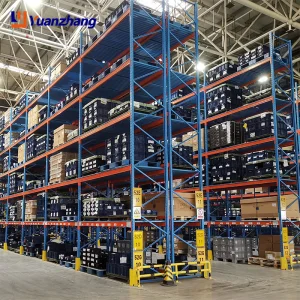
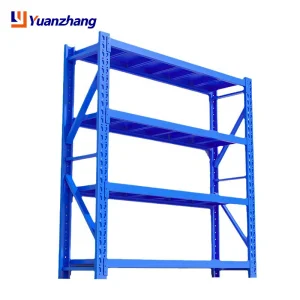
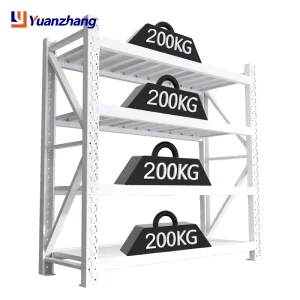
A technical guide to load calculations, structural finishing, and integration with intelligent intra-logistics environments.
For standard industrial installations, surface degradation due to oxidation can rapidly weaken structural profiles, particularly in humid maritime climates like Osaka Bay. To counteract this, Yuanzhang utilizes an advanced 9-stage pre-treatment wash followed by an electrostatic thermo-hardened epoxy powder coating system.
Our coating thickness exceeds 80 microns, passing rigorous ASTM cross-hatch adhesion and salt spray test benchmarks. This ensures a scratch-resistant, impact-absorbing barrier capable of sustaining daily pallet friction and rough forklift operations.
Furthermore, as warehouses modernize, our racking profiles are designed to integrate directly with:
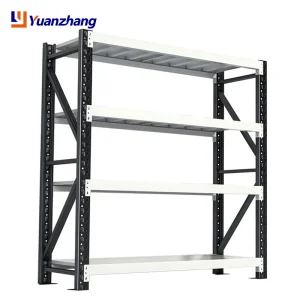
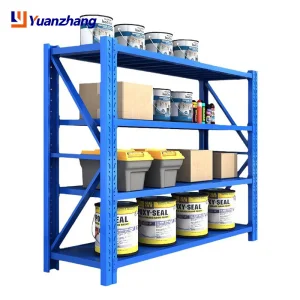
Our complete catalog of heavy-duty, boltless, and custom configurable storage solutions optimized for heavy commercial and industrial warehousing.
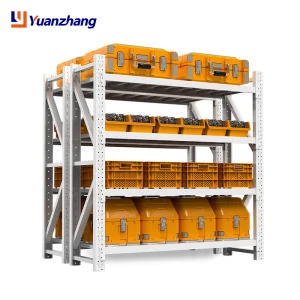
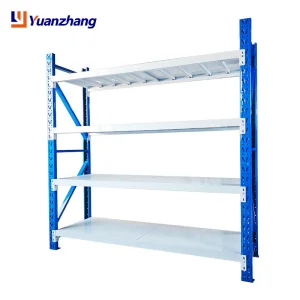
How we ensure complete structural certification, raw material tracking, and flexible dimension modifications for Kansai business operations.
Navigating municipal code and warehouse building regulations in Osaka requires strict document transparency. To facilitate smooth approval from insurance surveyors and fire safety inspectors, Yuanzhang provides detailed engineering document packs, including steel mill certificates, loading tables, and deflection calculations under load limit testing.
Our quality assurance program employs 45 specialized QA/QC inspectors tracking every steel batch. We utilize advanced ultrasonic testing to inspect load-bearing welds, carry out structural load tests to simulate pallet distributions, and monitor automated punch tolerances to guarantee exact bolt fits. This comprehensive screening guarantees that our heavy-duty warehouse racking solutions meet the load-bearing requirements promised in our project designs.
Furthermore, we adapt configurations to meet the specific unit loads of regional markets. For Japanese warehousing operations, we customize upright frames to interface with the standard T11 pallet format (1100 mm × 1100 mm), adjust column pitches to 50 mm heights for maximum bay efficiency, and supply specific structural steel grades suited for sub-zero temperature operations within cold-storage units in Osaka Port.
Expert engineering insights regarding load capacity limits, seismic preparation, and importing requirements for the Osaka market.
Optimize your logistics workspace. Contact Yuanzhang's engineering team today for layout designs, load calculations, and cost-effective factory-direct pricing for the Osaka and Kansai markets.
Send Inquiry Now Yuanzhang Rack