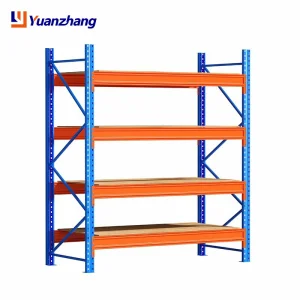
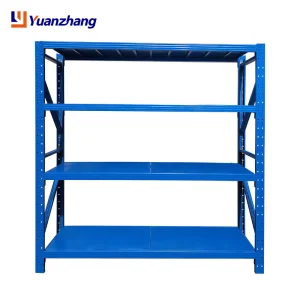
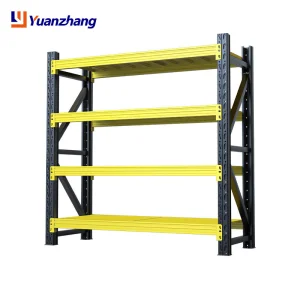
Designed for the rigorous requirements of Thailand's key logistic corridors. High-grade raw materials optimized for structural load-bearing efficiency.
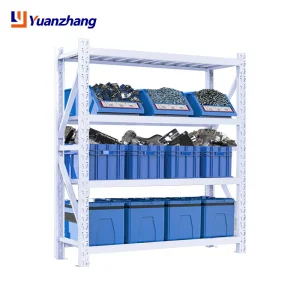
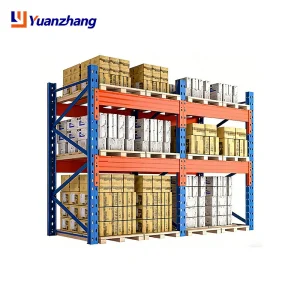
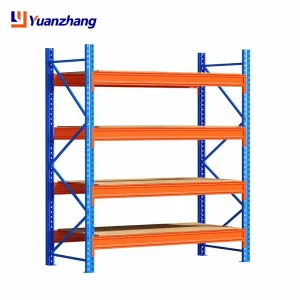
An Analytical Whitepaper on Eastern Economic Corridor (EEC) Warehousing Requirements, Seismic Structural Engineering, and Logistics Optimization
As Southeast Asia's second-largest economy, Thailand has established itself as an undisputed hub for automotive manufacturing, electronics assembly, agricultural processing, and third-party logistics (3PL) distribution. The development of the Eastern Economic Corridor (EEC)—spanning the provinces of Chachoengsao, Chonburi, and Rayong—has accelerated infrastructural demands. In modern supply chain modeling, maximizing the volumetric efficiency of warehousing facilities is no longer just a cost-saving measure; it is a vital competitive edge. Implementing high-performance heavy-duty storage shelves and pallet racking systems forms the bedrock of this optimization.
Operating a warehouse in tropical Southeast Asian climates introduces unique challenges that are often overlooked by general suppliers. High ambient relative humidity, coastal salinity from major shipping gateways such as Laem Chabang Port, and regional seismic activities (specifically in the Northern provinces and soft-clay geological strata of the Bangkok basin) demand precise engineering. General, off-the-shelf industrial shelves simply fail under these prolonged environmental stressors. To ensure structural integrity, long-term safety, and compliant operational cycles, project managers must source from manufacturers who strictly align designs with international racking codes (such as FEM, EN, and RMI) and offer localized adaptation for the Thai industrial landscape.
Adapting heavy-duty storage configurations to localized climate hazards, spatial regulations, and material sciences.
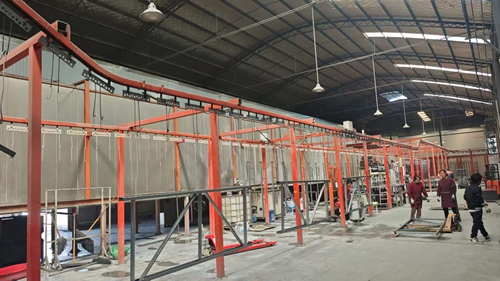
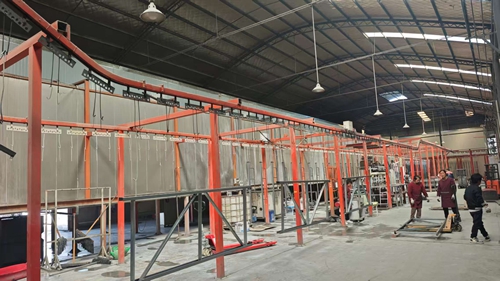
Thailand’s proximity to marine logistics routes and high average humidity requires superior surface treatments. We utilize advanced automated electrostatic powder coating lines with epoxy-polyester formulas, providing a dry film thickness of 60–90 microns. This ensures outstanding resistance against salt-spray corrosion and chemical wear in non-climate-controlled warehouses.
Depending on the region, such as Chiang Mai or the deep alluvial soils of Bangkok, high-rise storage structures are susceptible to lateral seismic forces. Our engineers calculate dynamic load distributions and integrate oversized, heavy-duty floor baseplates, specialized anchor bolts, and custom-braced upright frames that meet local structural engineering regulations.
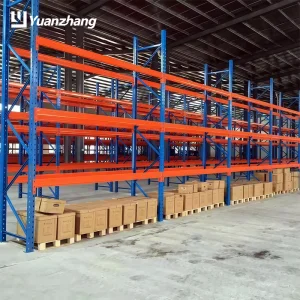
From automotive stamping tools to heavy electronics raw components, loading parameters vary wildly. We offer custom selective racking, double-deep setups, and drive-in systems designed to hold safe operational load capacities ranging from 1,000kg up to 4,000kg per level. Every system undergoes finite element analysis (FEA) to confirm safety margins before production.
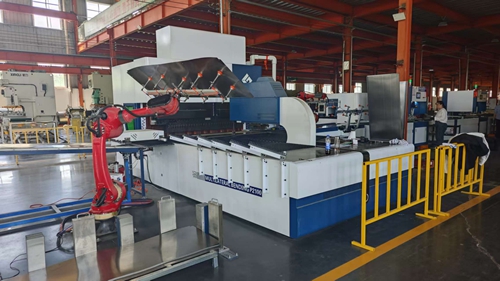
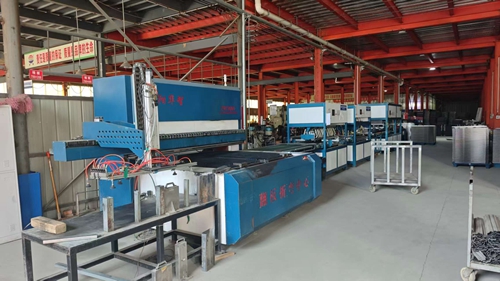
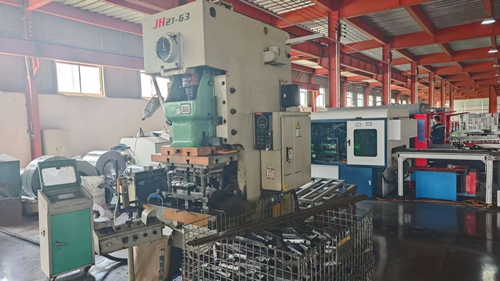
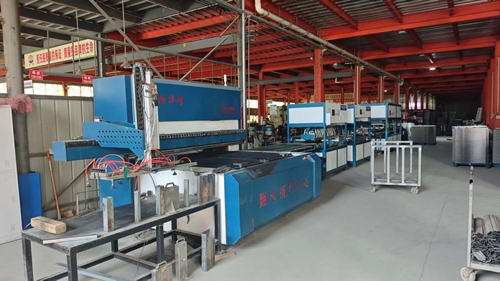
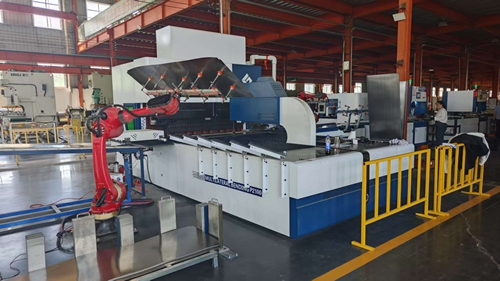
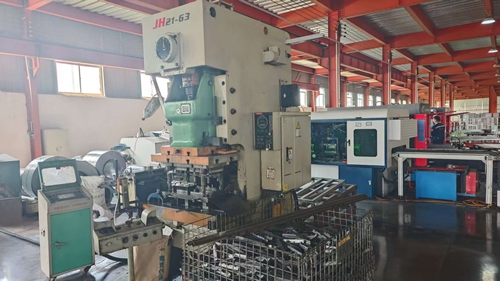
Furthermore, the integration of automation in Thailand is advancing rapidly. E-commerce platforms and retail chains are transitioning toward Automated Storage and Retrieval Systems (AS/RS). These systems demand tighter manufacturing tolerances. A deviation of just 1-2mm in upright alignment can cause automated cranes or AGVs to malfunction. Our advanced automatic roller pressing lines and computerized punching stations guarantee precise dimensional tolerances, paving a clear path for future-proof smart automation across Samut Prakan, Pathum Thani, and Rayong industrial zones.
Global Racking Infrastructure Partner with Strong Engineering DNA and Robust Supply Chain Resilience
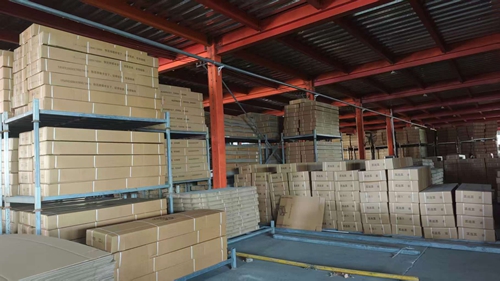
Established in 2015, Shenzhen Yuanzhang Trading Co., Ltd. is a leading manufacturer and exporter specializing in heavy-duty warehouse racking and customized industrial storage systems. Operating out of a state-of-the-art 35,000 m² production facility, we bring 12 years of deep industry expertise and 8 years of dedicated international trade experience to global logistics and commercial storage projects.
Driven by technical excellence, our operations are backed by a robust research and development center staffed with 25 expert R&D engineers. Demonstrating our strong commitment to innovation, we launched over 150 new storage solutions last year alone. We offer fully versatile OEM/ODM custom options, including specialized dimensions, weight capacity adjustments, surface coatings, and modular structural designs to meet diverse client requirements.
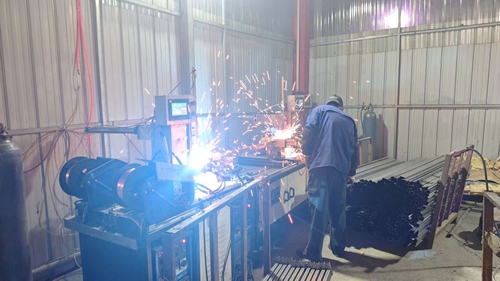
Quality and reliability form the foundation of our business. We enforce strict multi-stage quality control—utilizing advanced automated ultrasonic testing, raw material stress analysis, and load-bearing fatigue assessments executed by a dedicated team of 45 QA/QC inspectors. This guarantees that every steel frame leaving our production line is fully certified for maximum long-term industrial loads.
With annual export revenue reaching $28 million USD and a resilient global supply chain network of over 800 strategic raw material and component partners, we maintain steady delivery timelines worldwide. Our primary export markets span North America, Western Europe, Southeast Asia, and the Middle East. We proudly serve a diverse spectrum of global clients, ranging from large-scale third-party logistics (3PL) providers and industrial distributors to commercial warehouse developers and retail chain enterprises.
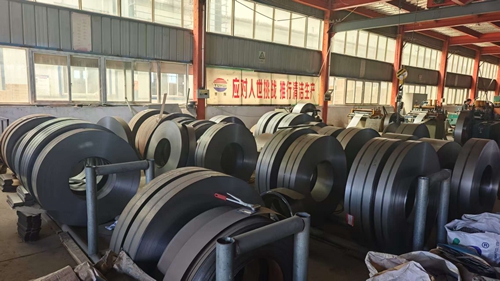
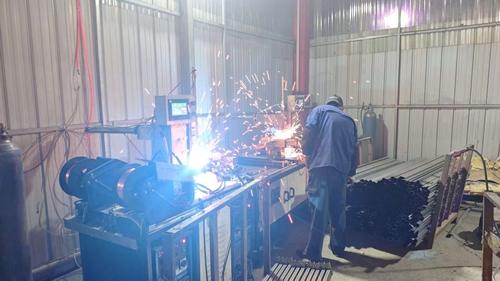
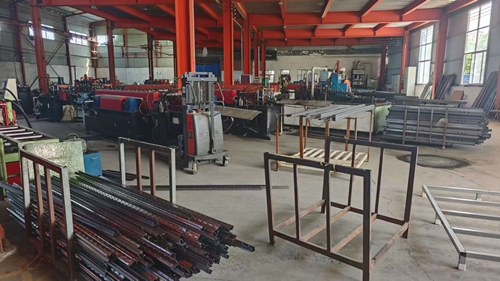
Witness the engineering processes behind our heavy-duty steel shelves
Maximizing Logistics Efficiency, Reducing Port Lead Times, and Enhancing Duty Compliance
Importing storage systems from China to Thailand requires careful planning. Sourcing managers must balance raw material cost benefits with shipping container loading, customs clearance, and duty structures under the ASEAN-China Free Trade Agreement (ACFTA). By preparing Form E documents, Thai buyers can save significantly on import duties. As a seasoned manufacturer, we compile all structural certifications, weight testing certificates, and shipping documents to ensure smooth customs clearance at Klong Toey Port and Laem Chabang Deep Sea Port.
Additionally, our structural steel meets the yield parameters of international standards like Q235B and Q355B. This ensures consistent loading profiles across temperature-controlled zones, such as food processing units in Pathum Thani, and heavy dry-cargo distribution centers along the Bang Na-Trad highway. By managing every stage from initial CAD design to roll-forming and powder-coating in our 35,000m² facility, we can adjust column widths, frame structures, and beam lengths to fit existing warehouse footprints precisely.
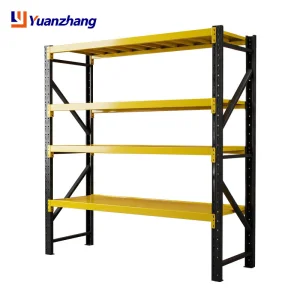
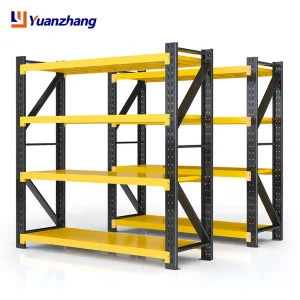
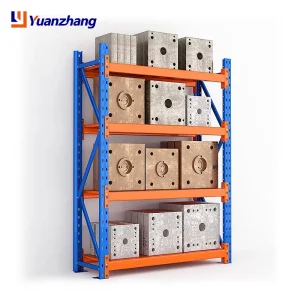
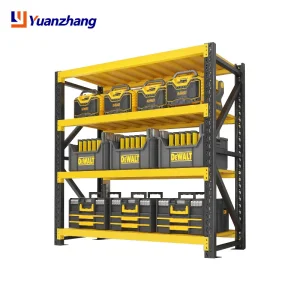
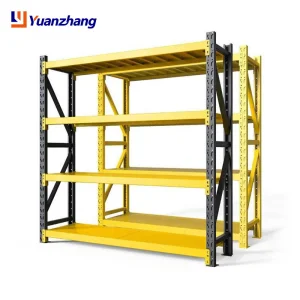
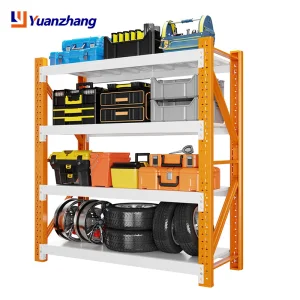
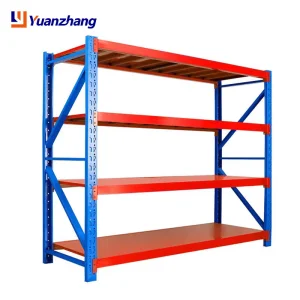
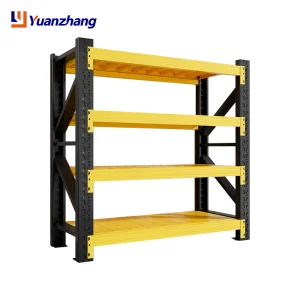
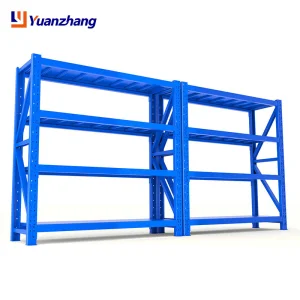
Modular systems customizable by capacity, dimensions, and color configurations
Critical Sourcing, Standard Compliance, and Engineering Information for Structural Logistics Deployments
Most large industrial developers and multinational manufacturers in Thailand require storage systems to comply with the European FEM 10.2.02 standard, British BS EN 15512 codes, or the US RMI (Racking Manufacturers Institute) standard. While the Thai Industrial Standards Institute (TIS) has strict codes for building structures, structural racking calculations typically follow these international standards to ensure safety during earthquakes and high operational loads.
We use automated chemical pre-treatment stages (including degreasing, pickling, and phosphating) followed by an electrostatic powder coating application using premium epoxy-polyester formulas. The coating is cured at high temperatures to achieve a thickness of 60–90 microns. For extremely harsh environments, like coastal fisheries or chemical storage facilities, we offer hot-dip galvanized finishes that prevent structural rusting for decades.
Under the ASEAN-China Free Trade Agreement (ACFTA), importers can access zero or significantly reduced tariffs by providing a valid Form E (Certificate of Origin). We handle this documentation during export, allowing Thai customs and logistics companies to clear shipments smoothly while avoiding unnecessary duties.
Yes. Our R&D team uses advanced finite element analysis (FEA) software to model frame responses under regional seismic coefficients. For projects in earthquake-prone zones like Chiang Mai, or areas with soft clay soils like Bangkok, we increase the cross-sections of the upright columns, reinforce the horizontal and diagonal bracing patterns, and specify larger, heavy-duty floor baseplates secured with heavy-duty chemical expansion anchors.
The engineering design and production phase at our Shenzhen factory takes 20 to 30 days, depending on the customization needed. Maritime transit to Laem Chabang Port typically takes 7 to 10 days. From factory floor to dock delivery, the process is generally completed within 45 days, supported by our domestic logistics partners in Thailand who assist with warehousing and assembly.
 Yuanzhang Rack