Engineered for maximum spatial performance, material safety, and heavy structural integrity. Ideal for logistics centers and cold chains across Auckland, Christchurch, and Tauranga.
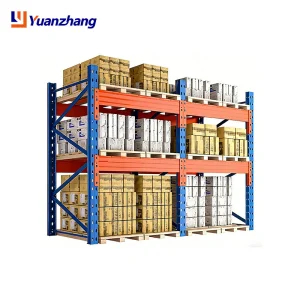
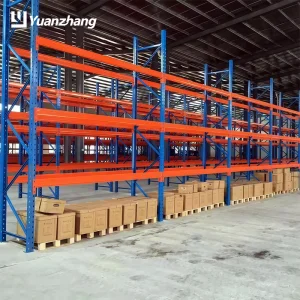
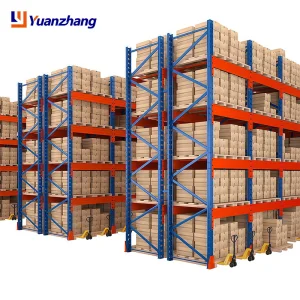
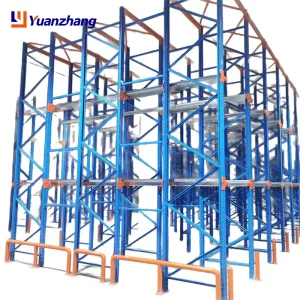
New Zealand's commercial warehousing landscape is undergoing a significant transition. Driven by structural shifts in global supply chain models, rapid regional e-commerce growth, and highly localized primary export industries (including agriculture, dairy, and horticulture), modern logistics facilities are facing unprecedented capacity demands. Key regional distribution centers in the Auckland Industrial Corridor (e.g., Wiri, Airport Oaks, and East Tamaki), the Tauranga Port logistics zone, and the Southern Christchurch industrial clusters are experiencing historically low vacancy rates. Concurrently, industrial land acquisition costs per square meter have escalated, driving the demand for optimized cubic vertical footprint utilization.
Unlike less seismically active markets, the New Zealand geographic profile presents unique, high-risk environmental challenges. System designers and warehouse managers cannot simply import generic shelving systems without running into critical regulatory and safety violations. Industrial racking must function not only as static vertical steel framing but also as structural dynamic engineering. Racking must be dynamically optimized to withstand complex structural stresses, particularly the localized soil profiles and intense seismic loads regulated by the Building Code of New Zealand.
“Seismic-ready engineering is not an optional configuration in New Zealand; it is an absolute statutory prerequisite. Racking units are treated as structural building elements under the NZ Building Act, necessitating rigorous verification processes.”
Every heavy-duty high-level racking structure deployed in New Zealand must comply fully with the joint Australian/New Zealand Standard AS/NZS 4084 (Steel Storage Racking), alongside the structural design code AS/NZS 1170. The standard mandates stringent guidelines on the testing, design, operation, and maintenance of all adjustable pallet storage racks.
Key areas of compliance for the NZ market include:
Modern warehouse logistics have progressed far beyond manual, low-density storage models. The integration of high-level industrial shelving systems with Automated Storage and Retrieval Systems (ASRS), Radio Shuttle systems, and AGV (Automated Guided Vehicle) technologies forms the basis of contemporary smart warehousing. By leveraging advanced storage technology, global operators can scale storage heights past 15 to 30 meters safely and reliably.
Our heavy-duty steel shelving features optimized structural profiles engineered to interface seamlessly with modern material handling machinery. Standard modifications include tight dimensional tolerances to accommodate rapid crane movement, high-durability electrostatic powder coatings that resist scratching and wear in high-frequency operations, and customizable structural configurations compatible with both Selective and Drive-In loading methodologies.
New Zealand's status as a top global exporter of meat, dairy, and fresh fruit requires high-volume cold-chain infrastructure. Facilities in areas like the Bay of Plenty (Tauranga) and Canterbury demand specialized cold storage environments. Industrial racking inside blast freezers and chilled environments (operating down to -30°C) must maintain high structural ductility. Traditional carbon steels can become brittle and prone to cracking under seismic stress at low temperatures. We resolve this risk by utilizing specialized structural steel grades (such as Q355B/Q355D equivalent to AS3678 grade 350) coupled with hot-dip galvanized finishes or cold-room rated powder coats, preventing rust and micro-cracking.
Auckland’s urban expansion and Christchurch’s role as the South Island logistics hub have accelerated the growth of third-party logistics (3PL) providers. These operators handle diverse SKUs, varying pallet sizes, and high stock turnover rates. Our selective pallet racking configurations allow direct access to every pallet, optimizing forklift paths and speeding up pick-and-pack times. For operations targeting maximum volumetric storage density, our double-deep and narrow-aisle (VNA) system configurations reduce aisle widths, saving up to 40% of floor space compared to standard racking layouts.
In regions categorized as high-hazard zones under AS/NZS 1170.5, warehouse racking is subject to strict engineering checks. The racking must withstand lateral soil movements and roof-level accelerations. Our engineering department specializes in designing heavy-duty baseplates, cross-bracing frameworks, and robust row spacers. These components distribute seismic energy effectively, protecting inventory and personnel from racking collapse during seismic events.
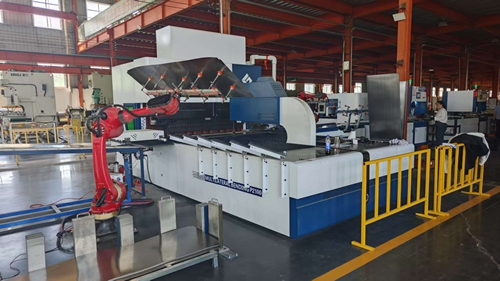
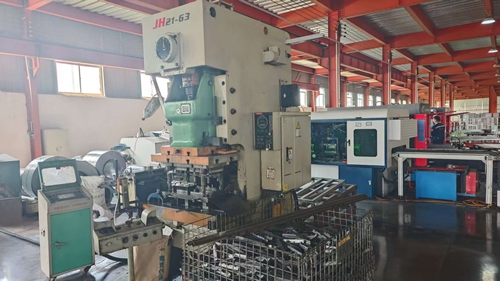
Shenzhen Yuanzhang Trading Co., Ltd. brings together advanced automated manufacturing and precision structural engineering to supply heavy-duty warehousing systems worldwide.
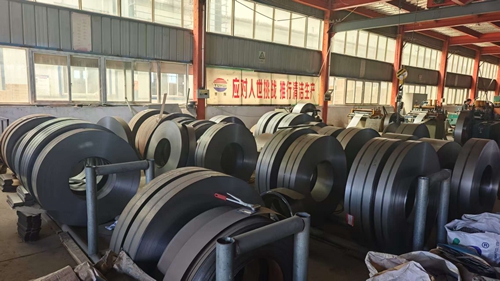
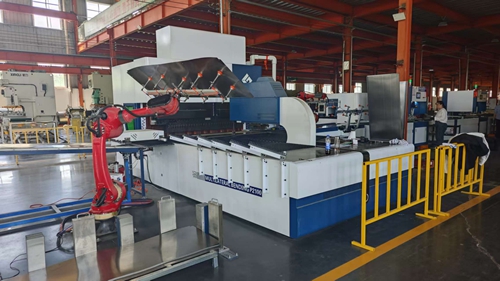
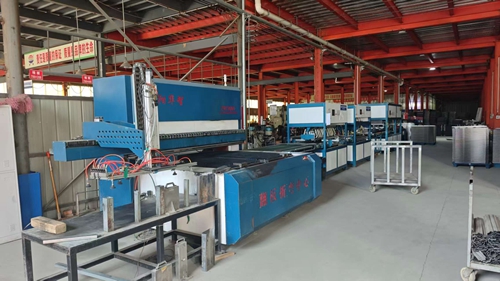
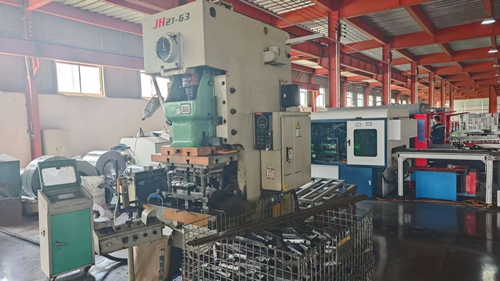
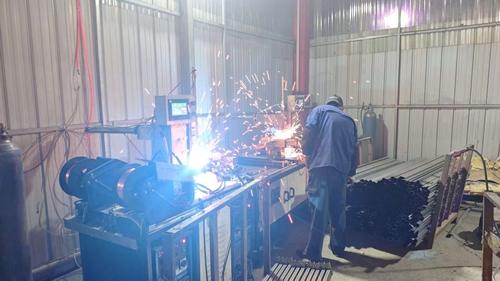
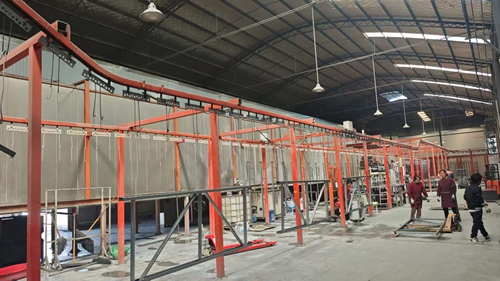
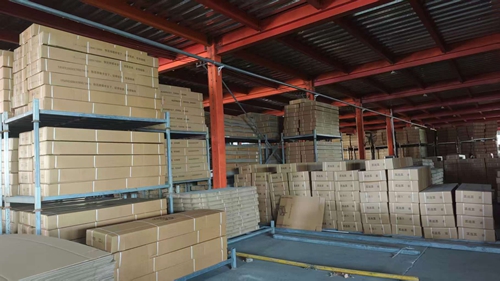
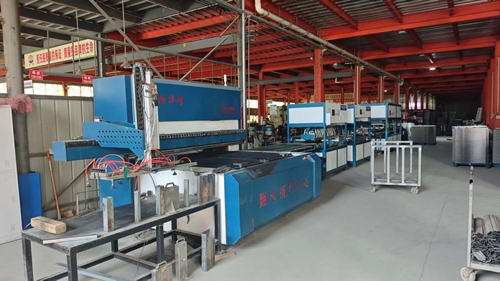
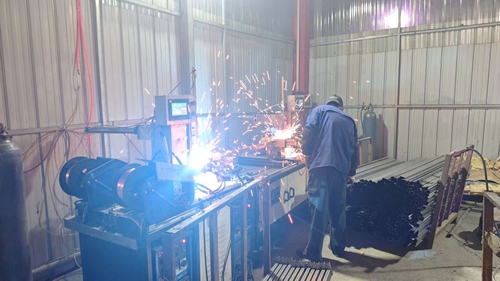
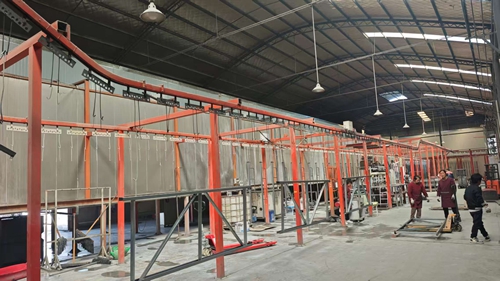
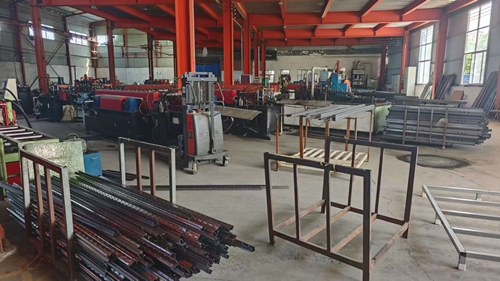
Established in 2015, Shenzhen Yuanzhang Trading Co., Ltd. is a leading manufacturer and exporter specializing in heavy-duty warehouse racking and customized industrial storage systems. Operating out of a state-of-the-art 35,000 m² production facility, we bring 12 years of deep industry expertise and 8 years of dedicated international trade experience to global logistics and commercial storage projects.
Driven by technical excellence, our operations are backed by a robust research and development center staffed with 25 expert R&D engineers. Demonstrating our strong commitment to innovation, we launched over 150 new storage solutions last year alone. We offer fully versatile OEM/ODM custom options, including specialized dimensions, weight capacity adjustments, surface coatings, and modular structural designs to meet diverse client requirements.
Quality and reliability form the foundation of our business. We enforce strict multi-stage quality control—utilizing advanced automated ultrasonic testing, raw material stress analysis, and load-bearing fatigue assessments executed by a dedicated team of 45 QA/QC inspectors.
With annual export revenue reaching $28 million USD and a resilient global supply chain network of over 800 strategic raw material and component partners, we maintain steady delivery timelines worldwide. Our primary export markets span North America, Western Europe, Southeast Asia, and the Middle East. We proudly serve a diverse spectrum of global clients, ranging from large-scale third-party logistics (3PL) providers and industrial distributors to commercial warehouse developers and retail chain enterprises.
Industrial storage security in New Zealand is closely tied to standard engineering calculations. Standard racking installations are designed with load capacities that account for vertical load forces (mass of stored products), forklift load impacts, and seismic dynamic movements. Dynamic horizontal forces can exceed vertical forces during high-level seismic shocks, causing structure sway, connector disengagement, or floor anchoring failures.
To reduce these risks, our systems incorporate several safety features:
Yes. All our industrial storage racking systems are engineered, manufactured, and structurally calculated to meet or exceed AS/NZS 4084 (Steel Storage Racking) specifications. We work with engineering consultants to verify static and dynamic structural integrity, and provide certified load capacity rating plates for every installation.
Under standard AS/NZS 1170.5, New Zealand is divided into distinct seismic hazard zones (e.g., Wellington has a higher risk multiplier than Auckland). Systems installed in high-seismic zones require increased steel wall thicknesses, larger upright profiles, specialized heavy-duty seismic baseplates, and additional vertical cross-bracing. We customize structural components based on the project's zip code and soil class.
Yes. We manufacture cold-storage racking using specific steel grades (such as Q355B/D, which maintain ductility at sub-zero temperatures) and offer hot-dip galvanized or cold-room-rated powder coatings to prevent corrosion and structural brittleness.
Our standard heavy-duty selective pallet racking capacities range from 1,000kg to over 4,000kg per layer level, depending on beam profiles, column wall thicknesses, and configuration geometry. We customize designs to meet the specific requirements of your inventory profiles.
Our quality control program includes ultrasonic weld testing, steel stress fatigue analysis, raw material inspection, and coating thickness verification. A team of 45 QA/QC inspectors monitors production to ensure quality consistency.
Our standard heavy-duty product selection is designed for warehousing applications, industrial production lines, and distribution centers across New Zealand.
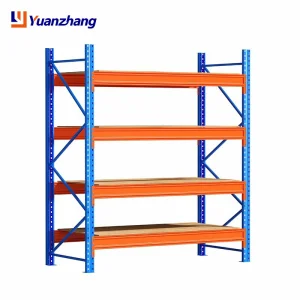
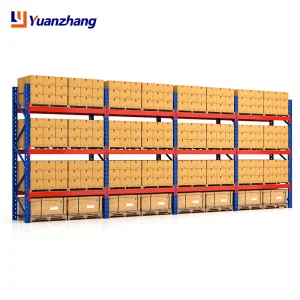
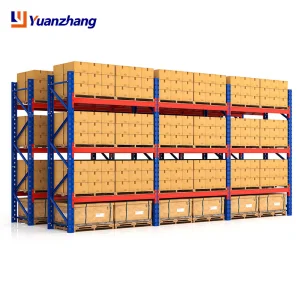
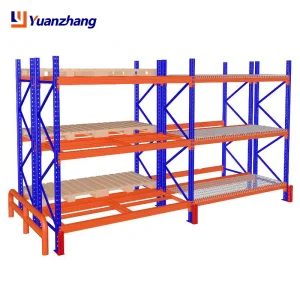
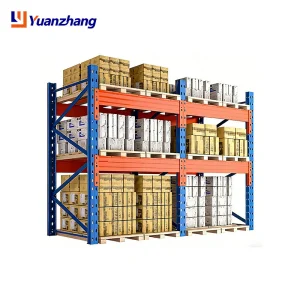
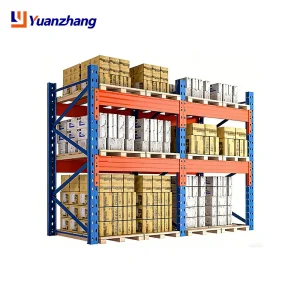
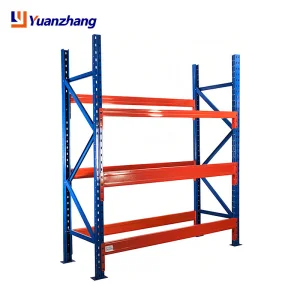
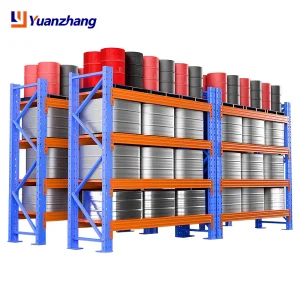
We design, verify, and manufacture industrial shelving solutions optimized for the New Zealand environment. Contact our team for technical configurations, engineering calculations, and detailed quotations.
Send Inquiry Now Yuanzhang Rack