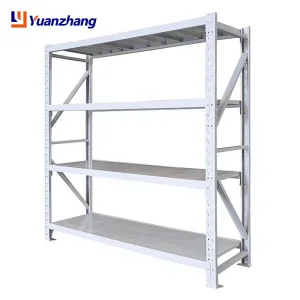
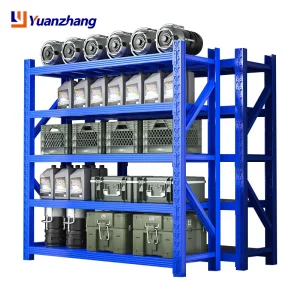
Heavy-duty structural storage configurations designed to maximize volume utilization and optimize product throughput.
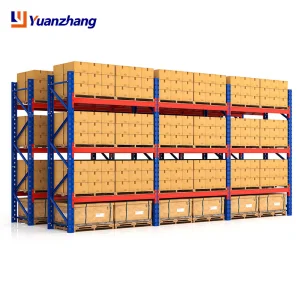
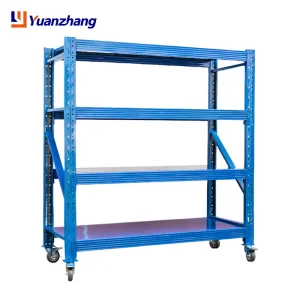
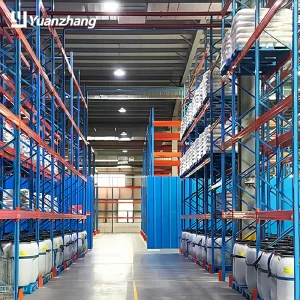
Analyzing current global logistics macro factors driving the necessity for structural precision and optimization.
Global logistics networks are shifting from "Just-in-Time" to "Just-in-Case" inventory strategies. This paradigm transition commands warehouse layouts that support higher volume density and selective retrieval options, reducing processing bottlenecks in multi-channel fulfillment operations.
Rapid order cycle demands require specialized layout planning where fast-moving stock keeps minimal travel pathing. High-density storage arrays, coupled with Pick-to-Light and automated sorting zones, are critical configurations for modern e-commerce distribution nodes.
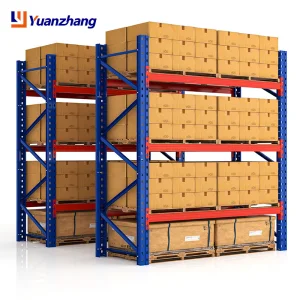
With the cost per square meter of industrial land rising globally, enterprises are forced to scale vertically. Optimized warehouse layouts utilize high-bay pallet racking systems and narrow-aisle (VNA) technologies to unlock vertical clearance and maximize volumetric efficiency.
We deploy targeted layout and design methodologies to address specific load requirements, handling equipment constraints, and cycle speeds.
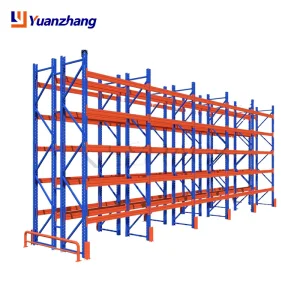
Standard selective layouts offer 100% selectivity for every pallet position, rendering them highly suited for dynamic distribution environments with diverse Stock Keeping Units (SKUs). Configured with cold-rolled steel columns, our systems accommodate wide aisles, narrow aisles (NA), or Very Narrow Aisles (VNA) configurations depending on standard forklift capabilities.
For high-density storage with homogeneous inventories, Drive-In systems reduce aisle requirements by up to 60%. Double Deep systems position two deep configurations for access by reach trucks, balancing selectivity with volume density. Ideal for cold storage and manufacturing raw materials facilities.
Push-Back racking utilizes nested carts on inclined tracks, utilizing Last-In, First-Out (LIFO) access. Conversely, Gravity Flow utilizes inclined rollers for First-In, First-Out (FIFO) retrieval. These high-engineering layouts optimize pick-face replenishment and are vital for high-volume consumer goods.
By introducing multi-tiered industrial shelving architectures, Shenzhen Yuanzhang converts overhead space into active picking areas. This increases usable floor space by two-fold or three-fold without requiring expansion of the external building shell.
Established in 2015, we are a leading manufacturer and exporter specializing in heavy-duty warehouse racking and customized industrial storage systems.
Operating out of a state-of-the-art 35,000 m² production facility, we bring 12 years of deep industry expertise and 8 years of dedicated international trade experience to global logistics and commercial storage projects. Driven by technical excellence, our operations are backed by a robust research and development center staffed with 25 expert R&D engineers.
Demonstrating our strong commitment to innovation, we launched over 150 new storage solutions last year alone. We offer fully versatile OEM/ODM custom options, including specialized dimensions, weight capacity adjustments, surface coatings, and modular structural designs to meet diverse client requirements.
Quality and reliability form the foundation of our business. We enforce strict multi-stage quality control—utilizing advanced automated ultrasonic testing, raw material stress analysis, and load-bearing fatigue assessments executed by a dedicated team of 45 QA/QC inspectors. With a resilient global supply chain network of over 800 strategic raw material and component partners, we maintain steady delivery timelines worldwide. Our primary export markets span North America, Western Europe, Southeast Asia, and the Middle East.
A visual walkthrough of our advanced machinery, automated forming lines, and strict quality control stations.
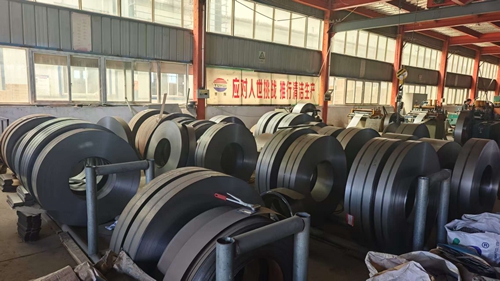
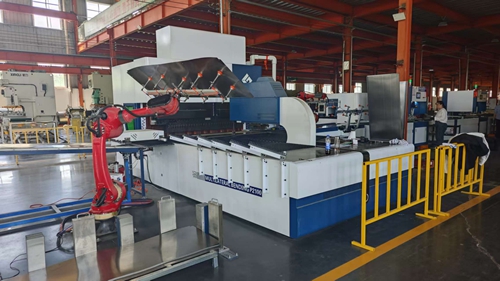
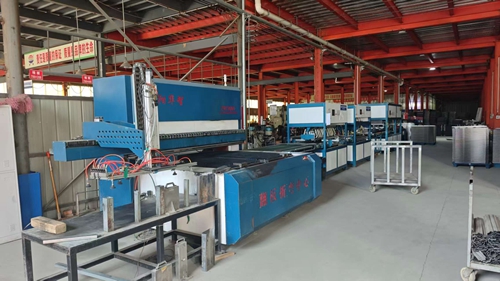
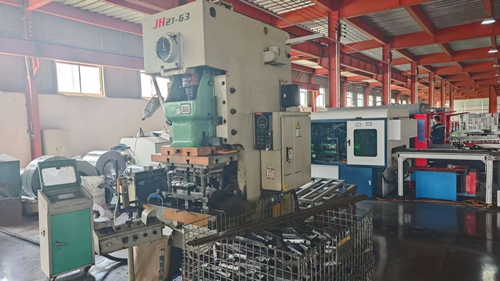
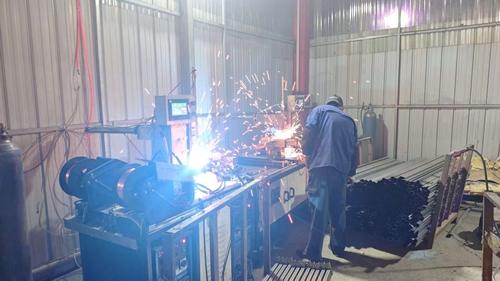
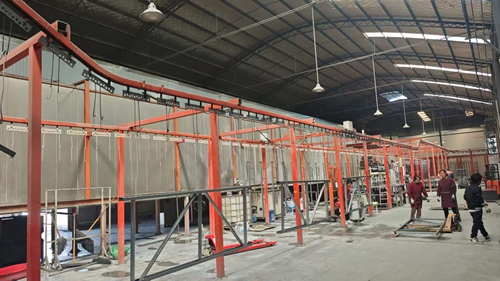
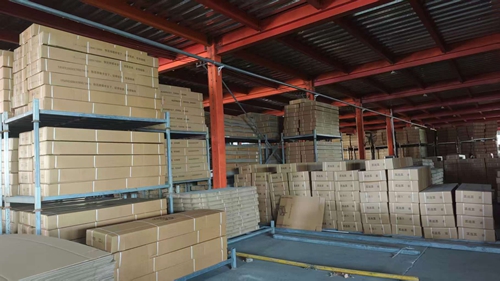
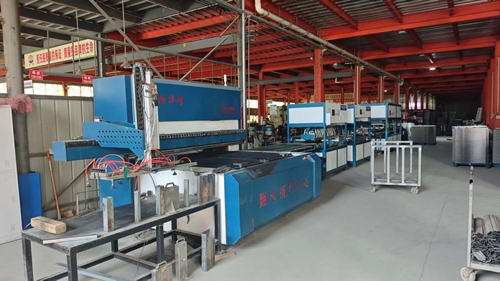
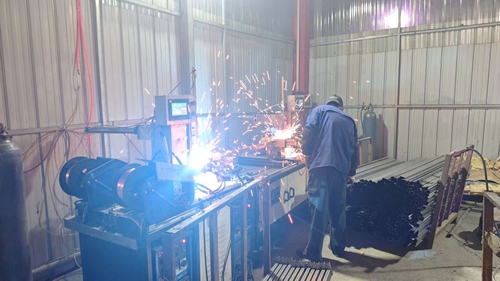
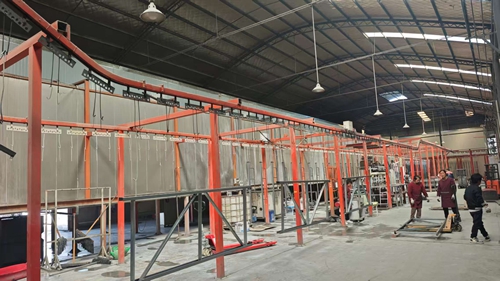
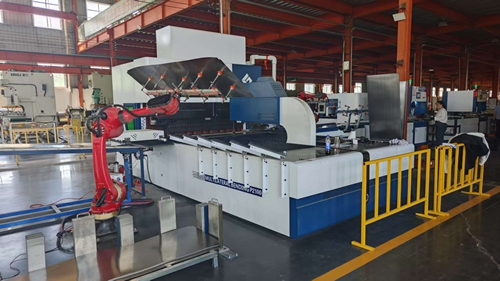
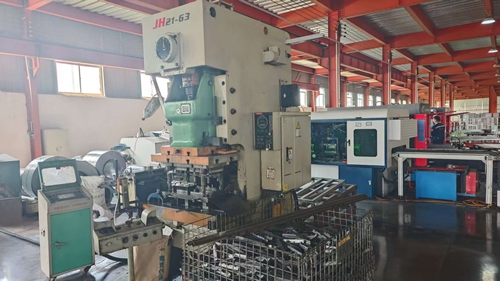
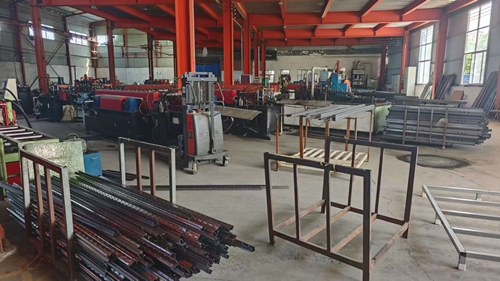
Pioneering structural advancements to bridge the gap between traditional steel fabrication and digital inventory flow.
Future-proofing storage systems through structural compatibility with Automated Storage and Retrieval Systems (AS/RS). Our upright columns and guide rails are engineered with extremely close tolerances (down to +/- 0.5mm deviation) to facilitate high-speed automated crane operations.
We are researching integrated load-bearing sensors and RFID telemetry within the support beams. This technology aims to provide real-time weight feedback, alerting operators when safety weight levels are approached, thereby preventing rack failures and structural overload.
Minimizing our carbon footprint, our automated powder coating line uses non-toxic, eco-friendly epoxy-polyester coatings with zero VOC emissions. This ensures high durability against chemical corrosion while meeting environmental standards across international markets.
Adapting steel designs to align with country-specific building codes, structural standards, and seismic conditions.
All warehouse layouts and structural components comply with key international standards including Europe's FEM 10.2.02 guidelines, America's RMI (Rack Manufacturers Institute) MH16.1 specifications, and Australia's AS4084-2012. We issue full dynamic load testing certificates with every custom layout shipment.
For installations in seismic zones (e.g., US West Coast, Southeast Asia Ring of Fire), our engineers execute Finite Element Analysis (FEA) testing. We design structural uprights with specialized footings, baseplates, and bracing structures to resist seismic actions and keep personnel and inventory safe.
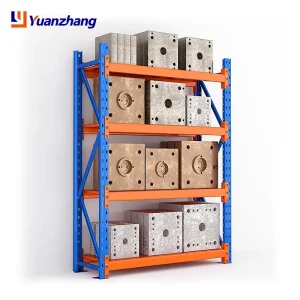
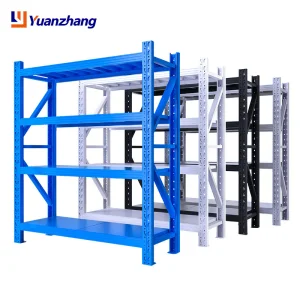
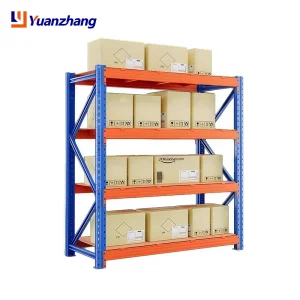
Versatile, load-tested designs spanning light-duty, medium-duty, and high-capacity modular storage units.
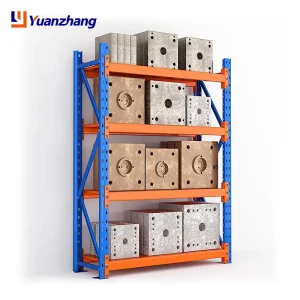
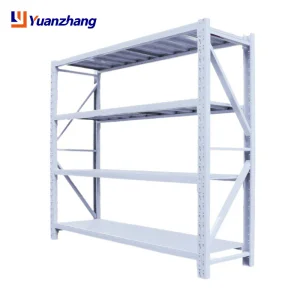
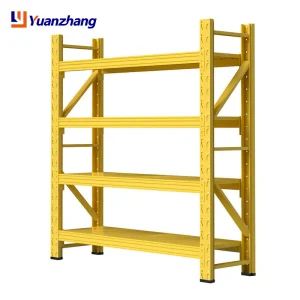
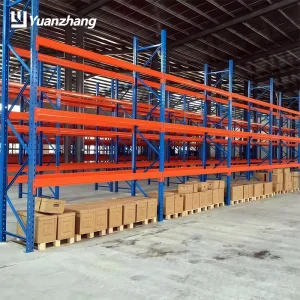
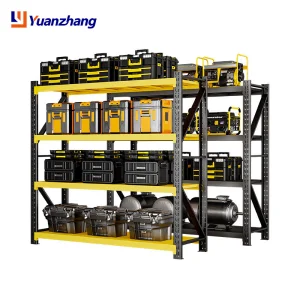
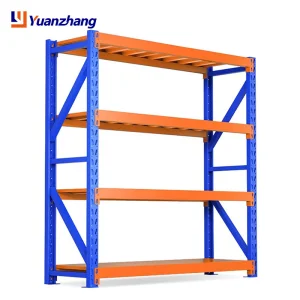
Technical answers regarding sizing calculations, customs, structural certifications, and custom orders.
To design an optimized layout, we require: (1) Detailed warehouse dimensions (CAD drawing or sketch showing pillars, doors, and fire systems). (2) Pallet specifications: dimensions (width x depth x height) and maximum weight load per pallet. (3) Lift height capability and turn radius of your forklifts. (4) Target SKU selectivity requirements. Our 25-person engineering team uses this data to map out optimal aisle space and beam elevations.
We use high-grade structural carbon steel, predominantly Q235B and Q345B (equivalent to ASTM A36 and ASTM A572 respectively). These steels possess excellent yield strength and weldability, allowing them to retain load integrity under continuous static load forces. Raw materials are verified for metallurgical properties prior to entering our profiling line.
For sub-zero and high-humidity environments (such as cold chain logistics), we utilize hot-dip galvanized steel components or custom corrosion-resistant epoxy powder coatings. These specialized barrier treatments prevent moisture contact and inhibit rust formations, ensuring the longevity and structural stability of our racking systems.
Yes, our designs align with American RMI specifications and European FEM 10.2.02 standards. If your project is located in a high-seismic zone, we perform site-specific structural analyses and provide custom baseplate anchorage, double upright profiles, and heavy-duty frame configurations to comply with local seismic safety regulations.
Standard manufacturing lead times are 20 to 30 days after drawing approval and deposit receipt. Shipping times vary depending on the destination port; North American and West European ports take approximately 25 to 40 days, while Southeast Asian ports average 7 to 15 days. We coordinate directly with freight carriers to secure shipping containers and ensure steady shipping schedules.
Yes, we provide fully customizable options. Beam levels are adjustable at 50mm or 75mm pitches. Additionally, we provide custom powder coating in a range of RAL colors to match your corporate branding or safety zones (e.g., orange beams, blue uprights, yellow post-protectors).
Our QA/QC team performs a multi-stage testing regimen: (1) Raw material tension and hardness tests. (2) Punch and bend dimensional tolerance checks. (3) Weld penetration ultrasonic tests. (4) Powder coat thickness and cross-cut adhesion tests. (5) Load-deflection testing of selected components. We provide full quality assurance certificates prior to final container loading.
To secure materials during sea transit, upright frames and beams are tightly bundled using heavy-duty plastic strapping and wrapped in protective bubble film. Small components and hardware are boxed in thick multi-layered cartons and palletized. All loads are securely blocked and braced within the container to prevent shifting.
 Yuanzhang Rack