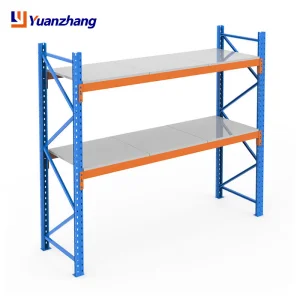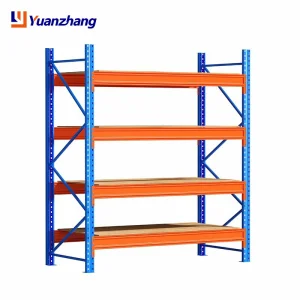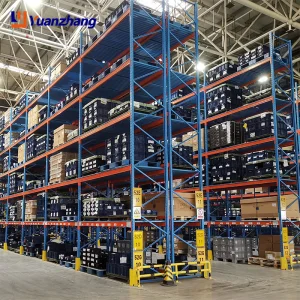
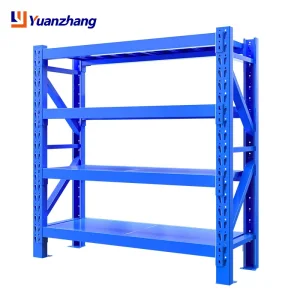
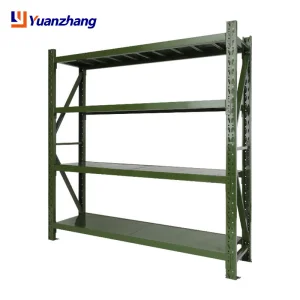
In modern industrial logistics, storage solutions are no longer confined within the protective walls of traditional brick-and-mortar warehouses. Today's global supply chain demands highly dynamic, outdoor-adapted space utilization. Rising urban land costs and the rapid expansion of third-party logistics (3PL) have accelerated the adoption of outdoor industrial storage. Whether it is port-side shipping operations, petrochemical holding yards, heavy construction materials depots, or agricultural transit zones, outdoor shelving systems serve as the critical backbone for operations globally.
However, outdoor storage presents extreme environmental challenges. Unlike climate-controlled interiors, outdoor racking systems are directly exposed to relentless ultraviolet (UV) radiation, fluctuating thermal cycles, high humidity, rainfall, ice loads, and aggressive chemical environments (such as marine air with high salinity). Underestimating these factors leads to accelerated metal fatigue, oxide corrosion, and structural degradation, which pose catastrophic safety risks for workers and cause massive financial losses. Consequently, procurement and logistics directors worldwide are prioritizing premium materials, state-of-the-art anti-corrosion engineering, and strict load compliance over cheap, short-lived alternatives.
At the center of outdoor storage reliability is material metallurgy and surface finishing. Steel is inherently susceptible to oxidation when exposed to moisture and oxygen. To combat this, three primary methodologies are utilized in our heavy-duty structures to achieve C4 or C5-M high-corrosivity class protection (under ISO 12944):
Components are submerged in molten zinc at approximately 450°C (840°F). This initiates a metallurgical reaction, forming a series of zinc-iron alloy layers that provide sacrificial protection. This layer heals minor surface damage automatically, making it ideal for coastal or highly humid sites.
Combining hot-dip galvanization with a top layer of electrostatically applied polyester powder coating. The zinc acts as the base defense layer, while the polymer coat blocks chemicals, UV rays, and physical impacts, effectively doubling the service lifespan of the steel core.
For chemical containment zones or cleanroom-adjacent outdoor loading bays, Grade 304 or 316 stainless steel is deployed. Containing high levels of chromium and nickel, it provides structural integrity and corrosion immunity without additional topcoats.
Without these engineering protocols, non-galvanized light-duty racks rust internally within months. Water pools inside the hollow profiles, causing silent compromises that lead to collapse under load. As a responsible industrial partner, Shenzhen Yuanzhang Trading Co., Ltd. conducts rigorous salt-spray testing, ultrasonic thickness testing, and load-fatigue assessments on all structures to ensure long-term field stability.
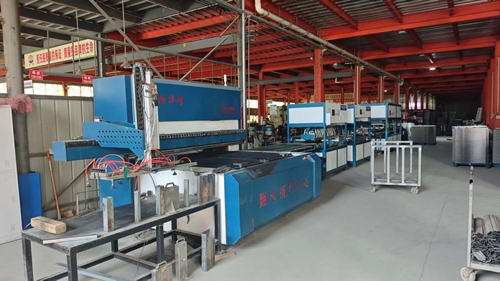
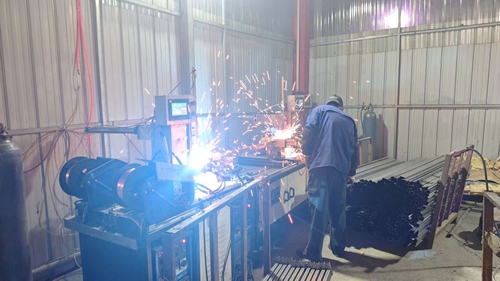
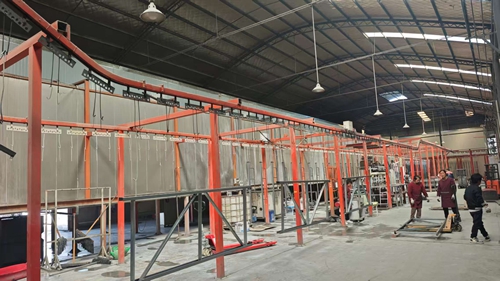
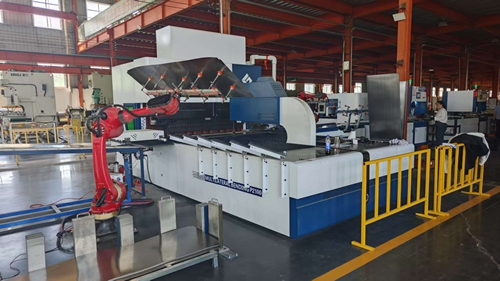
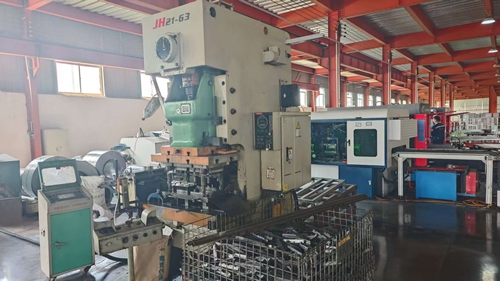
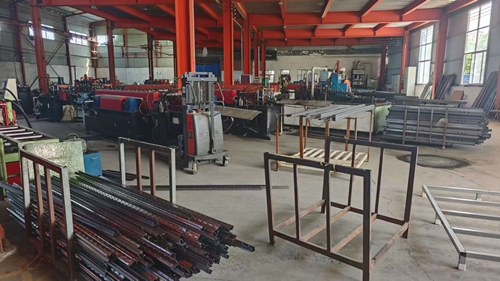
Our state-of-the-art production facility relies on automated lines, high-precision tooling, and strict quality gates to guarantee the stability of every rack component.
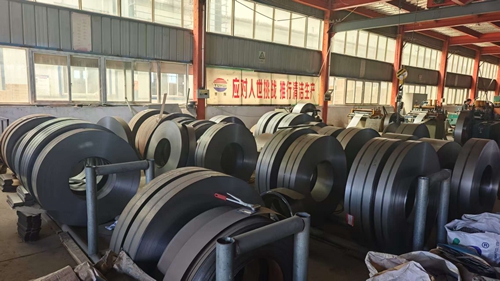
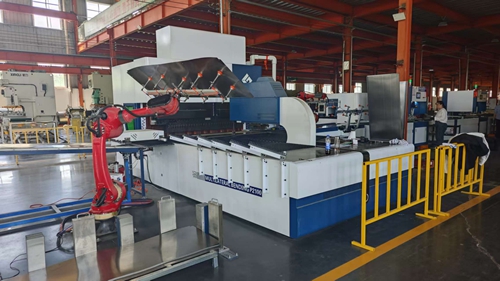
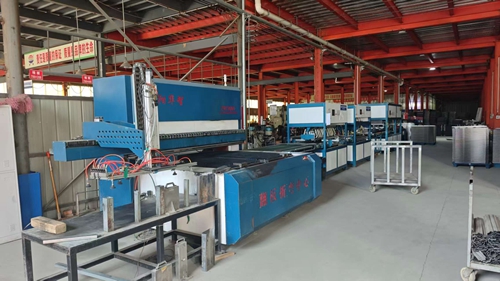
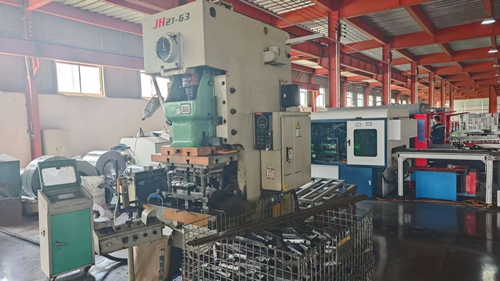
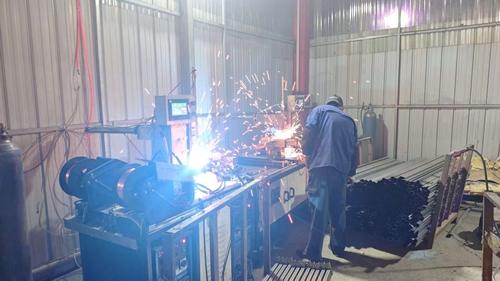
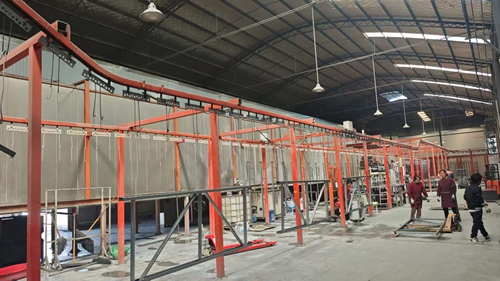
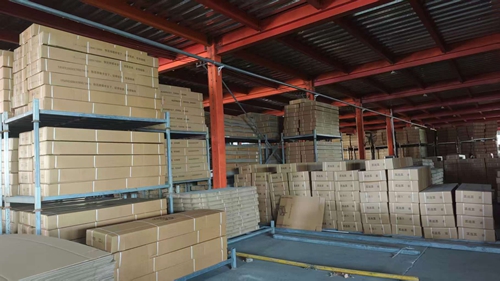
China has long established itself as the global manufacturing hub for structural steel and logistics storage equipment. This leadership is not built simply on cost reduction, but on raw material supply chain density, automated manufacturing technology, and deep logistics connectivity. In the heart of this industrial cluster, Shenzhen Yuanzhang Trading Co., Ltd. (established in 2015) has developed a comprehensive manufacturing eco-system.
Operating a massive 35,000 m² state-of-the-art facility, we integrate the complete manufacturing vertical under one roof. Our R&D center is staffed by 25 specialist engineers who develop innovative solutions tailored to international building codes. In the last year alone, our engineering team introduced over 150 customized storage designs. With a robust strategic supply chain comprising over 800 certified component and raw steel vendors, we secure high-grade carbon steel at steady pricing, protecting our clients from volatile market spikes.
Our dedicated quality assurance architecture is staffed by 45 QA/QC inspectors. Every batch of steel undergoes ultrasonic weld testing, tensile strength verification, and cyclic load-deflection analysis. This uncompromising approach allows us to deliver high-quality storage systems that comply with global safety standards, generating $28 million USD in annual export revenues across North America, Western Europe, Southeast Asia, and the Middle East.
Our facility houses high-efficiency automated roll-forming and CNC cutting lines. Automated equipment ensures consistent steel profile dimensioning, eliminating manual fabrication defects and weld imperfections. From roll forming to robotic welding stations, our processing machinery is designed to output consistent quality, ensuring that every frame, beam, and connector fits perfectly during field assembly.
Different regions and industries demand targeted shelving features. Standard configurations rarely fit all operational spaces. Below are key scenarios where our customized outdoor storage systems are engineered to excel:
The outdoor warehousing industry is moving rapidly toward automation, structural safety, and green logistics. Traditional static structures are evolving to integrate smart technologies, and environmental compliance has become a standard requirement for major logistics brands:
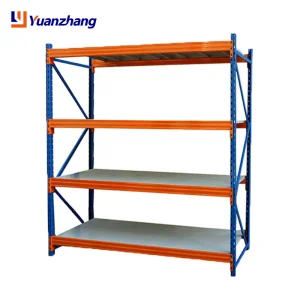
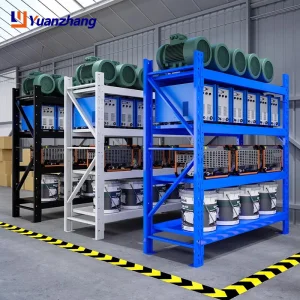
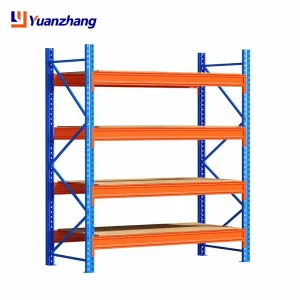
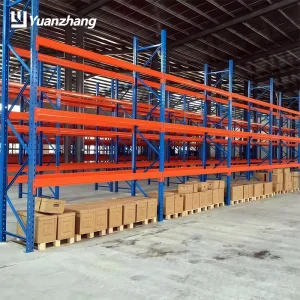
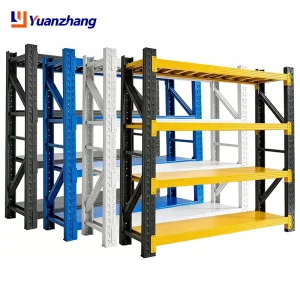
 Yuanzhang Rack