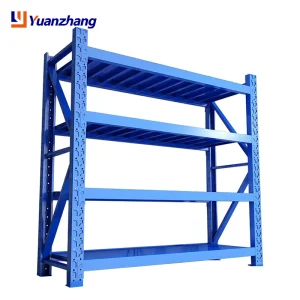
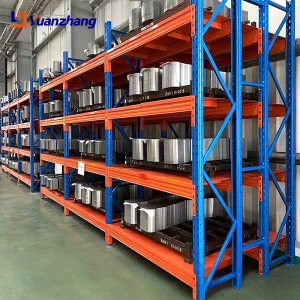
Engineered for high throughput, FIFO inventory control, and heavy industrial applications. Explore our primary manufacturing range.
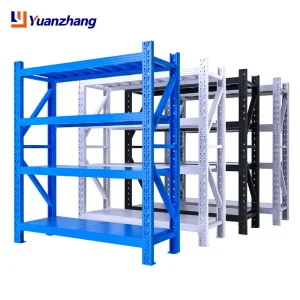
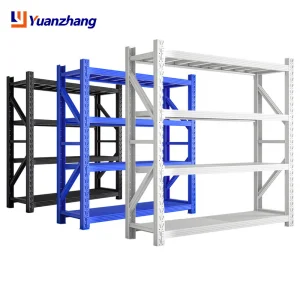
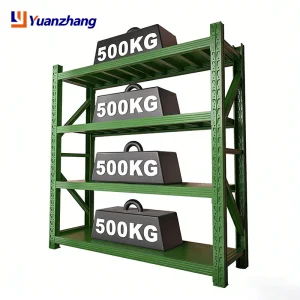
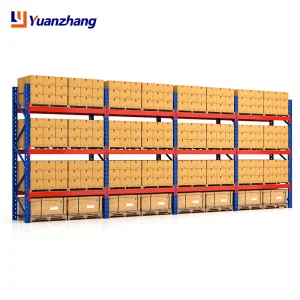
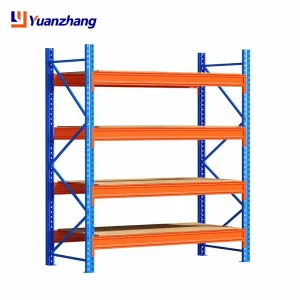
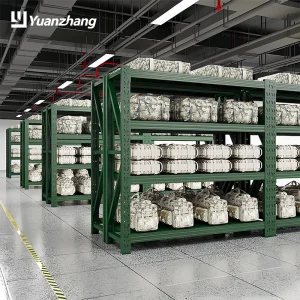
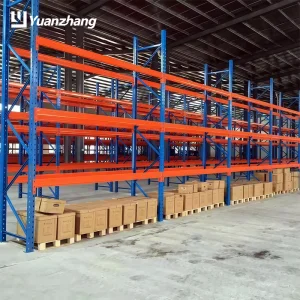
Analyzing global procurement demand, architectural layouts, and engineering considerations for modern high-velocity fulfillment hubs.
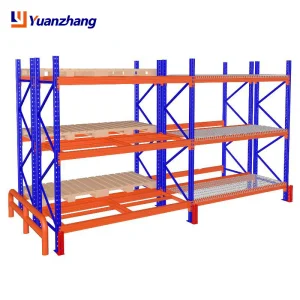
In the highly competitive landscape of global logistics, Live Storage Racks (widely referred to as gravity flow or pallet flow systems) serve as the cornerstone of high-density warehouse optimization. By utilizing gravity-driven inclined roller tracks, these systems naturally enforce the First-In, First-Out (FIFO) inventory control methodology. For businesses handling perishable goods, pharmaceutical products, or fast-moving consumer products (FMCG), live storage racking systems offer an optimal solution to maximize volumetric storage space while keeping labor, equipment, and utility expenses to a minimum.
As logistics real estate costs continue to rise worldwide, procurement managers in North America, Western Europe, and Southeast Asia are increasingly moving away from conventional static selective racking. The demand for Live Storage Racks is driven by several key factors:
"Optimizing live storage systems requires high-precision engineering. Track inclination angles, brake roller placement, and dampening capacity must be customized to the exact pallet weight and structure to prevent runaway loads or lane friction stalls."
The reliability of a gravity flow racking system depends heavily on its component engineering. Unlike static storage systems, dynamic racking must manage the kinetic energy of descending pallets (which can weigh between 500kg and 1500kg). Our manufacturing processes focus on several critical safety and performance elements:
Integrated centrifugal brake rollers monitor and limit pallet descent speed, keeping it within a safe 0.1m/s to 0.25m/s range to prevent impacts on the picking face.
Mechanical separation systems isolate the first pallet from the line pressure of rear pallets, allowing for easy, zero-pressure extraction by forklifts.
Sturdy, flared entry guides align and center pallets as they enter the lane, protecting upright frames and dynamic hardware from off-center loading.
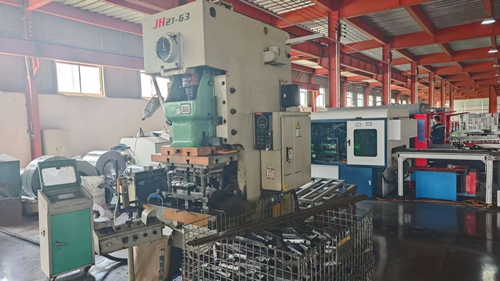
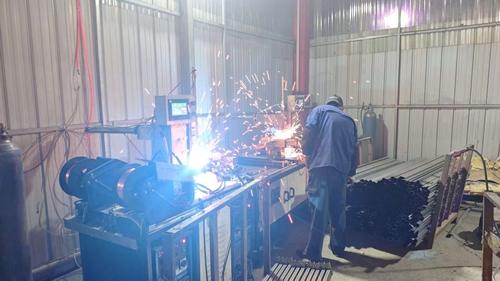
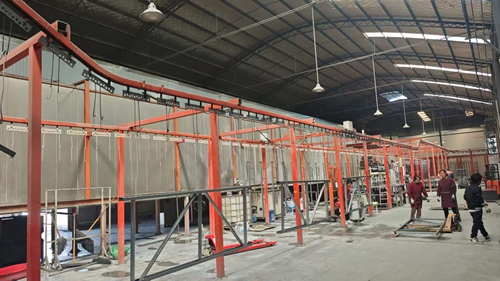
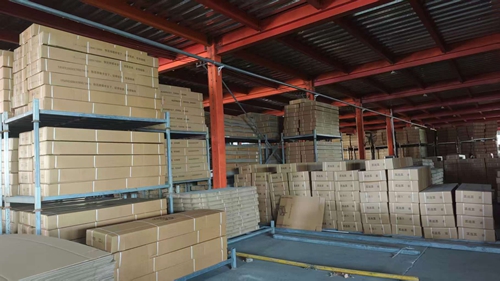
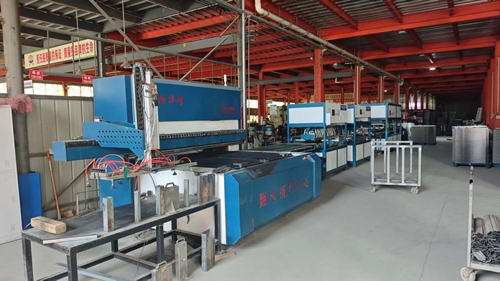
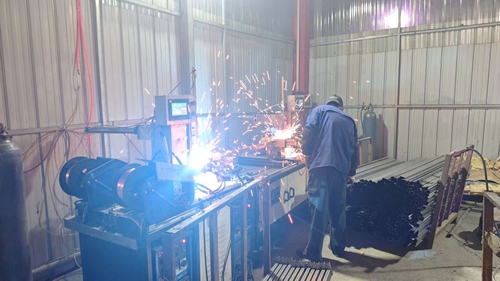
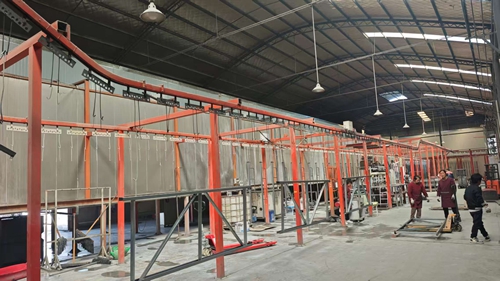
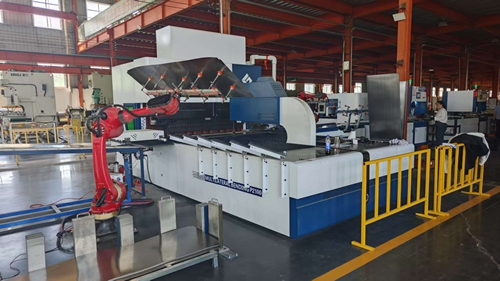
Operating a state-of-the-art 35,000 m² production facility with 12 years of heavy-duty engineering and global logistics delivery expertise.
Established in 2015, Shenzhen Yuanzhang Trading Co., Ltd. is a leading manufacturer and exporter specializing in heavy-duty warehouse racking and customized industrial storage systems. Operating out of a state-of-the-art 35,000 m² production facility, we bring 12 years of deep industry expertise and 8 years of dedicated international trade experience to global logistics and commercial storage projects.
Driven by technical excellence, our operations are backed by a robust research and development center staffed with 25 expert R&D engineers. Demonstrating our strong commitment to innovation, we launched over 150 new storage solutions last year alone. We offer fully versatile OEM/ODM custom options, including specialized dimensions, weight capacity adjustments, surface coatings, and modular structural designs to meet diverse client requirements.
Quality and reliability form the foundation of our business. We enforce strict multi-stage quality control—utilizing advanced automated ultrasonic testing, raw material stress analysis, and load-bearing fatigue assessments executed by a dedicated team of 45 QA/QC inspectors.
With annual export revenue reaching $28 million USD and a resilient global supply chain network of over 800 strategic raw material and component partners, we maintain steady delivery timelines worldwide. Our primary export markets span North America, Western Europe, Southeast Asia, and the Middle East. We proudly serve a diverse spectrum of global clients, ranging from large-scale third-party logistics (3PL) providers and industrial distributors to commercial warehouse developers and retail chain enterprises.
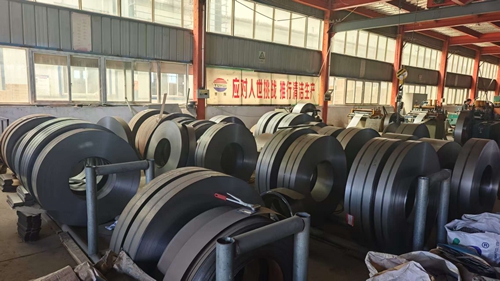
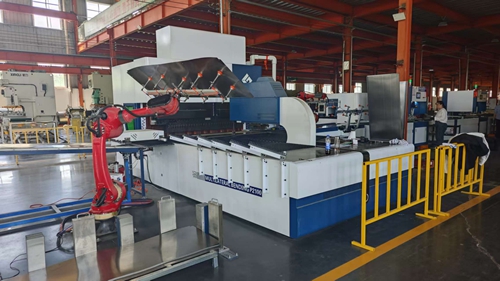
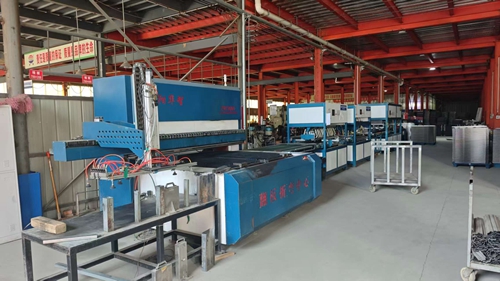
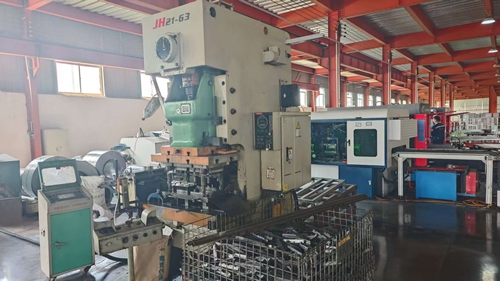
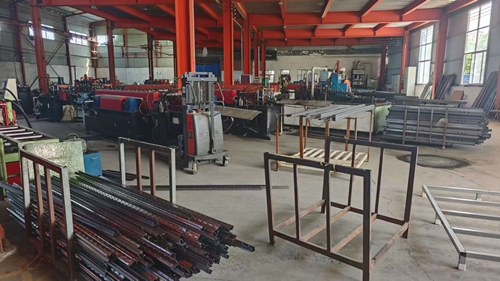
Our vertically integrated production lines feature automated roll-forming and robotic welding systems to ensure consistent structural tolerances.
Analyzing key structural certifications, load-capacity profiles, and seismic calculations essential for global warehouse deployment.
The structural integrity of our live racking systems starts with the raw materials. We use high-tensile hot-rolled steel coils, primarily grades Q235B and Q355B (equivalent to ASTM A36 and ASTM A572 Grade 50). These materials offer the necessary yield strength to support dynamic pallet weights of up to 3000kg per level while remaining flexible enough to withstand seismic loads.
Our roll-forming process ensures consistent thickness profiles, minimal internal stress, and highly precise slot geometry. This precision is critical when installing dynamic roller tracks, as deviations as small as 1mm can alter descent velocity or cause pallet drift.
Yuanzhang's products are designed and manufactured to meet major international standards. This structural alignment ensures smooth regulatory approvals for multi-national installations:
The next phase of live storage racking centers on automation integration. Gravity flow systems are no longer just standalone structural frames; they now serve as critical connection points for automated operations. We are engineering our flow systems to integrate directly with:
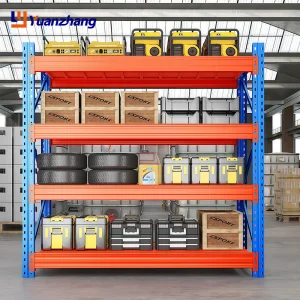
Heavy duty configurations customized for factories, industrial workspaces, and temperature-controlled environments.
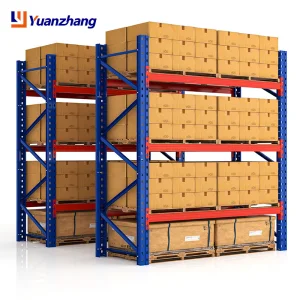
Clear, direct answers to common questions about engineering, material standards, dynamic configurations, and customized logistics layouts.
 Yuanzhang Rack