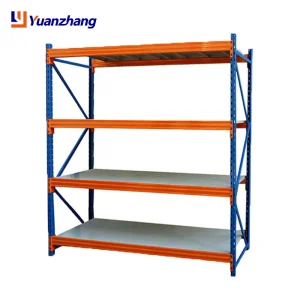
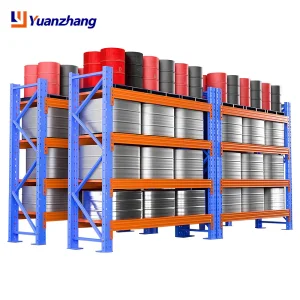
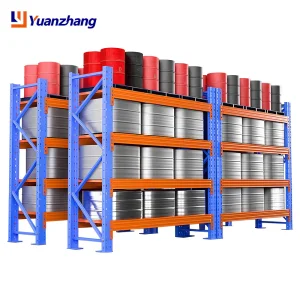
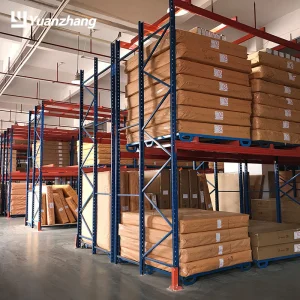
Our premier engineering lineup spans high-capacity modular boltless solutions, heavy-duty industrial pallet racking, and specialized space-optimized configurations built to secure and streamline massive warehouses.
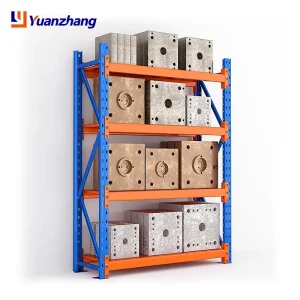
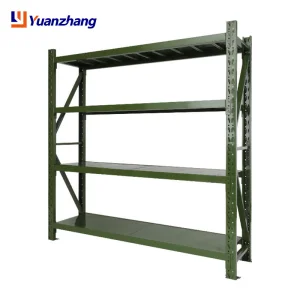
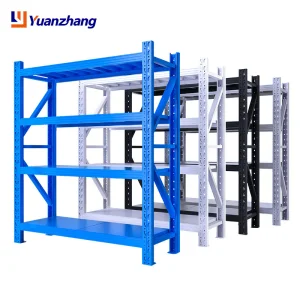
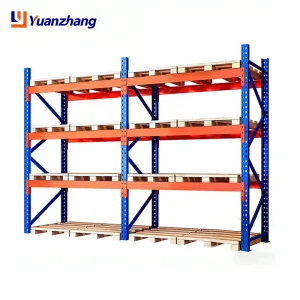
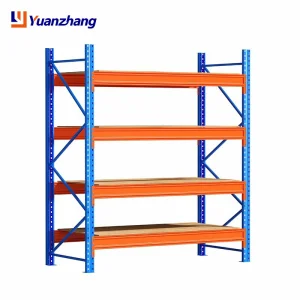
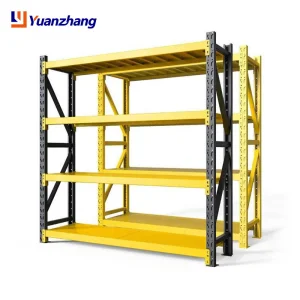
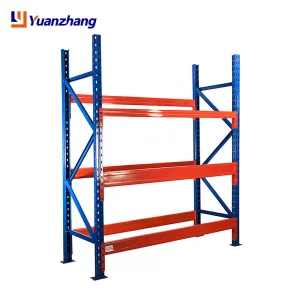
The modern logistics and material handling ecosystem operates on precision. As global supply chains face volatile disruptions, manufacturers are shifting away from localized inventory systems to consolidated regional hubs. In this paradigm, transport racks, structural pallet systems, and industrial shelving form the foundation of efficient operations.
High-capacity racking acts as the critical interface between automated material handling systems (like automated guided vehicles, or AGVs) and physical floor space. By expanding vertically, facilities avoid costly floor expansions and optimize structural loading points. Industrial statistics suggest that upgrading to highly customizable, multi-tier steel rack systems can increase overall storage density by up to 60% compared to standard static layout configurations.
From the transport side, sturdy transport racks protect heavy machinery, automotive components, and glass products during overland and marine shipment. These specialized structures absorb vibrations and dynamic shear stresses, ensuring high-value loads arrive intact at global OEM sites.
To support high-load environments, industrial rack manufacturing has moved toward high-strength structural alloys, cold-formed steel engineering, and modular, boltless assembly designs. The following technological trends now define modern racking solutions:
Modern adjustable structures rely on high-precision interlocking clips and safety pins. Boltless designs significantly reduce installation times and let operators reconfigure beam levels without structural modifications, minimizing downtime.
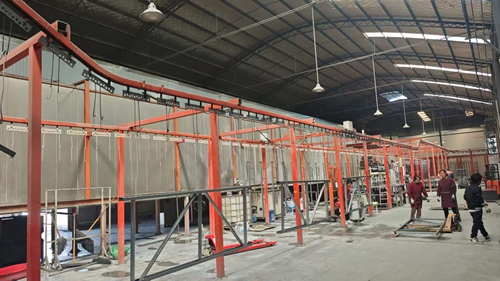
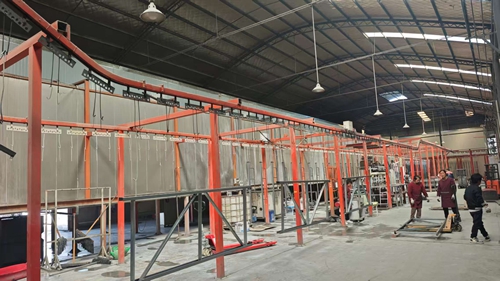
High-exposure environments like cold stores, open shipping docks, and coastal warehouses require top-tier surface treatments. Industry leaders rely on electrostatic epoxy powder coatings and hot-dip galvanization to block moisture, chemical agents, and oxidation.
Environmental and sustainability initiatives drive green procurement. By using structural steel that is 100% recyclable, companies can minimize their carbon footprint without sacrificing mechanical properties or load capacities.
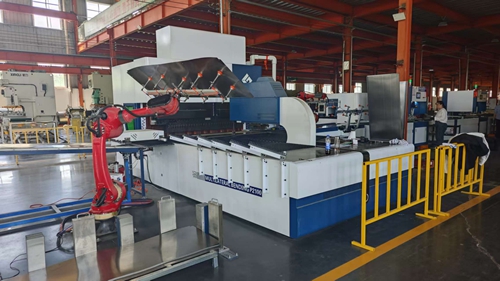
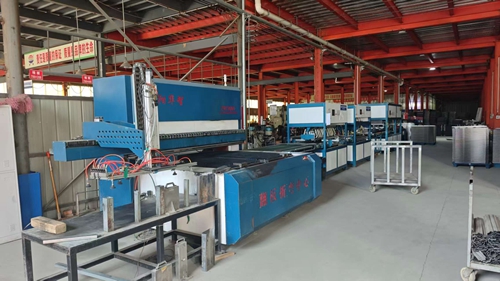
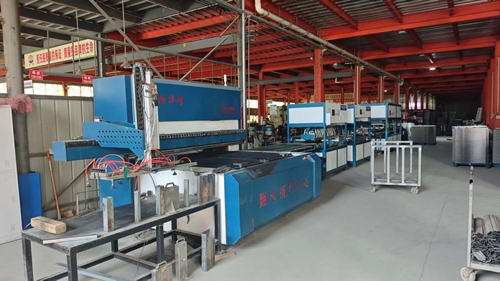
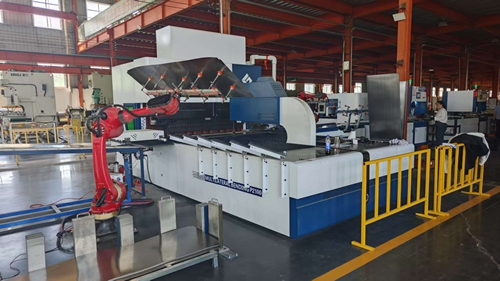
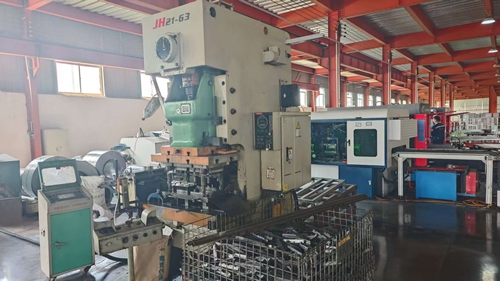
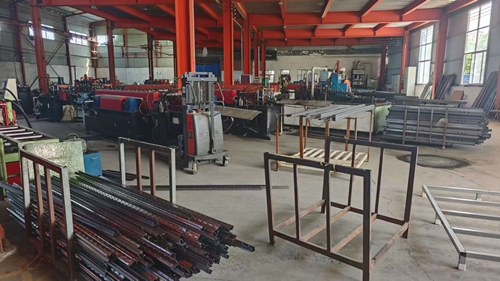
Established in 2015, Shenzhen Yuanzhang Trading Co., Ltd. is a leading manufacturer and exporter specializing in heavy-duty warehouse racking and customized industrial storage systems. Operating out of a state-of-the-art 35,000 m² production facility, we bring 12 years of deep industry expertise and 8 years of dedicated international trade experience to global logistics and commercial storage projects.
Driven by technical excellence, our operations are backed by a robust research and development center staffed with 25 expert R&D engineers. Demonstrating our strong commitment to innovation, we launched over 150 new storage solutions last year alone. We offer fully versatile OEM/ODM custom options, including specialized dimensions, weight capacity adjustments, surface coatings, and modular structural designs to meet diverse client requirements.
Quality and reliability form the foundation of our business. We enforce strict multi-stage quality control—utilizing advanced automated ultrasonic testing, raw material stress analysis, and load-bearing fatigue assessments executed by our dedicated team of 45 QA/QC inspectors.
With annual export revenue reaching $28 million USD and a resilient global supply chain network of over 800 strategic raw material and component partners, we maintain steady delivery timelines worldwide. Our primary export markets span North America, Western Europe, Southeast Asia, and the Middle East. We proudly serve a diverse spectrum of global clients, ranging from large-scale third-party logistics (3PL) providers and industrial distributors to commercial warehouse developers and retail chain enterprises.
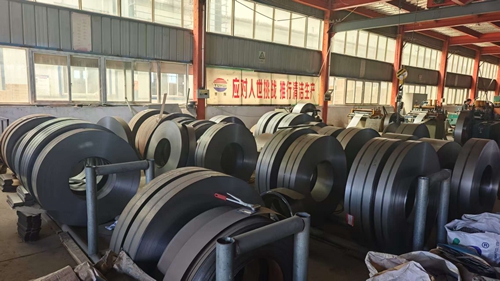
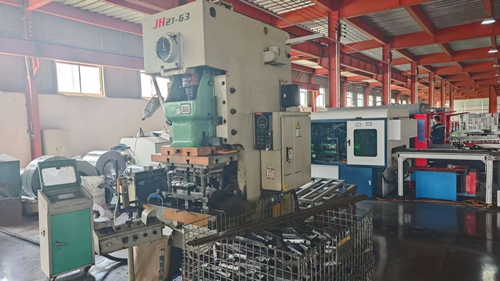
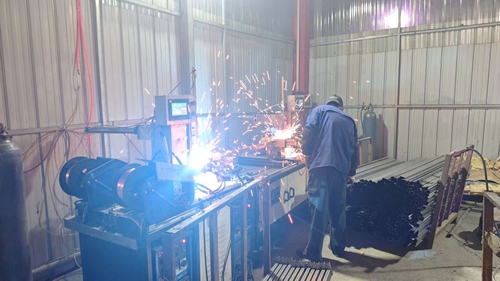
Every step of our process—from raw steel coil inspection to final powder coating curing—is tightly controlled and monitored. This ensures our racking systems meet or exceed international safety and load standards (including CE and RMI guidelines).
Every commercial application presents distinct vertical storage challenges. A standard static rack will not meet the requirements of a high-turnover e-commerce hub, nor will a basic frame withstand the freezing temperatures of a cryogenic cold chain. We engineer custom solutions to match these specific operational needs:
Designed for rapid SKU rotation and dense pallet storage. Utilizing high-capacity drive-in racking and selective palletized configurations, we help fulfillment centers maximize vertical space and support heavy forklift traffic.
Designed to support metal components, heavy engine blocks, and sub-assemblies. Heavy-duty boltless framing handles dense static weights and integrates easily with overhead cranes and automated conveyors.
Sub-zero warehouses require excellent air circulation and rust-resistant finishes. Our hot-dip galvanized selective racking resists sub-zero condensation, ensuring long-term safety and structural integrity.
High-quality industrial racking relies on careful material selection. We analyze structural loads using finite element analysis (FEA) to confirm safety margins before production begins.
Our engineering roadmap focuses on three main manufacturing objectives:
We source certified structural steel with excellent yield strength. This provides uniform load bearing and prevents sudden material failure under high stresses.
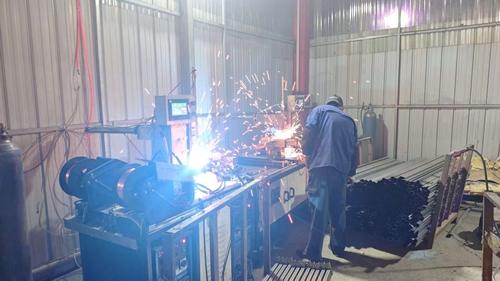
Our automated welding systems create continuous, consistent beads on baseplates and beam connectors. This minimizes local stress concentrations and micro-cracks.
All designs undergo prototype load-testing. We measure physical deflection under maximum load to ensure compliance with international material standards.
Racking systems must be designed to withstand unexpected seismic activity and warehouse floor impacts. High-bay racking systems require reinforced baseplates, heavy anchor bolts, and strong bracing. Implementing the following protection guidelines helps prevent structural damage and collapse:
First, always install heavy-duty column guards at aisle intersections to absorb impacts from forklifts. Second, ensure that rack columns are anchored directly to concrete slabs using expansion or chemical anchors. Finally, enforce strict load limits across all levels, keeping heavier pallets on the floor or lower tiers to maintain a low center of gravity.
When selecting a structural racking exporter or manufacturer, buyers should verify the following five criteria to ensure long-term safety and performance:
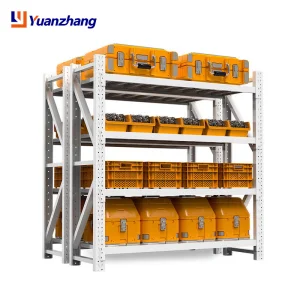
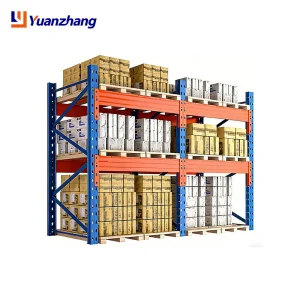
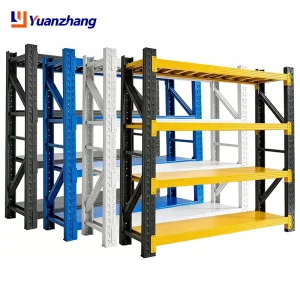
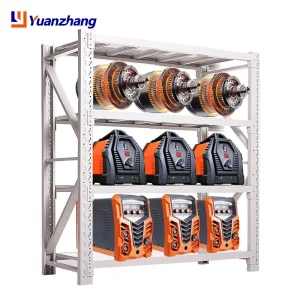
Our complete range of industrial and commercial storage solutions features versatile steel shelving, space-saving drive-in systems, and heavy-duty workshop stacking units.
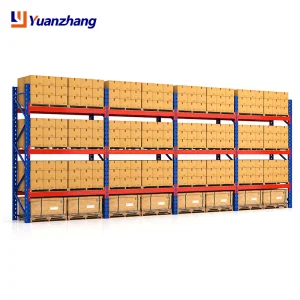
Our engineering support team answers common questions from warehouse operators and procurement managers regarding structural selection, safety guidelines, and shipping logistics.
 Yuanzhang Rack