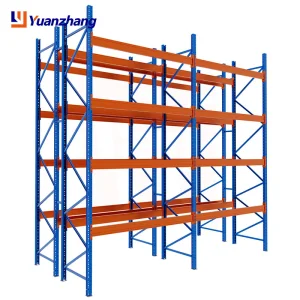
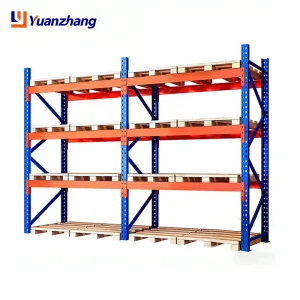
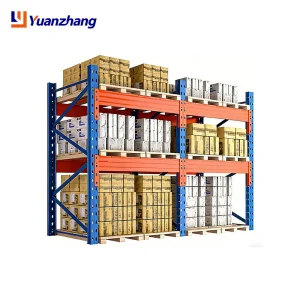
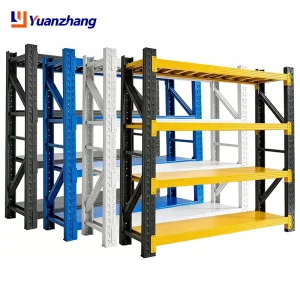
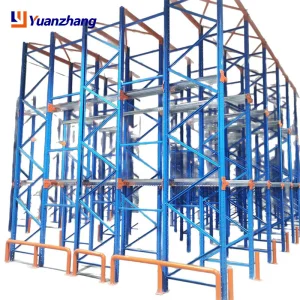
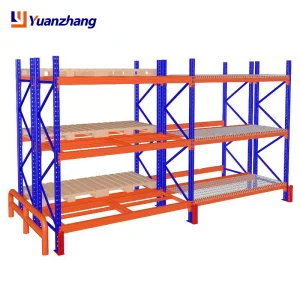
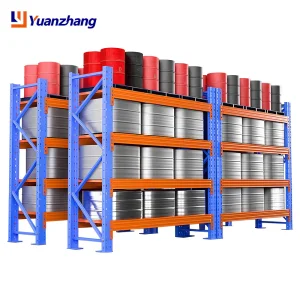
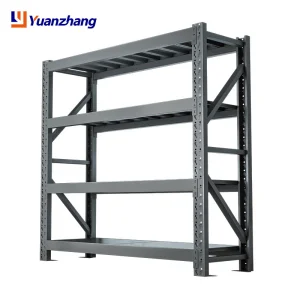
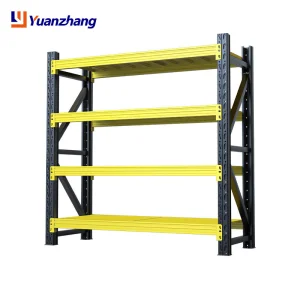
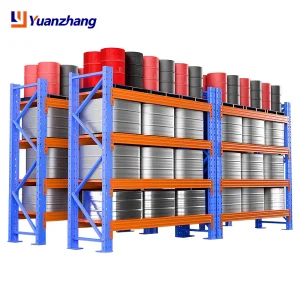
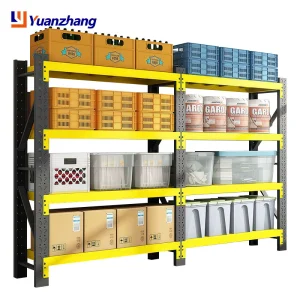
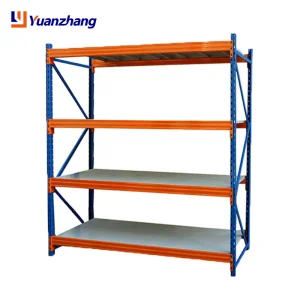
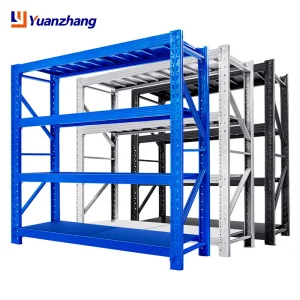
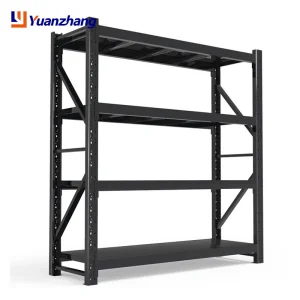
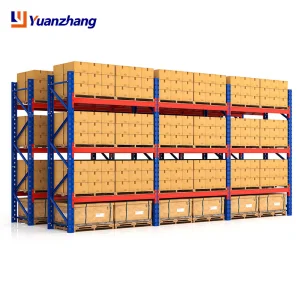
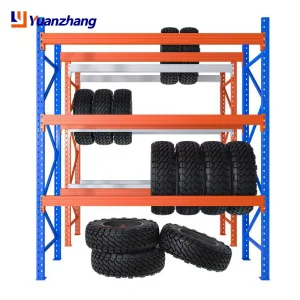
Discover our highly configurable, cold-rolled steel heavy-duty racking solutions designed to optimize structural integrity, safety, and volumetric efficiency in modern distribution centers.
In the rapidly shifting landscape of global supply chain management, warehousing is no longer viewed as a static holding area but as a dynamic engine of throughput efficiency. The selection of high-precision functionality racks has evolved into a critical engineering decision. High-density storage infrastructure directly influences operational parameters such as floor space utilization, vertical space maximization, picking cycle times, and automated guided vehicle (AGV) pathing efficiency.
As e-commerce giants, third-party logistics (3PL) aggregators, and smart manufacturing hubs globally face skyrocketing land values and compressed fulfillment timeframes, structural steel racks have undergone a paradigm shift. Today's industrial shelving systems incorporate modular dynamics, automated storage/retrieval system (AS/RS) compatibility, and rigorous safety profiles designed to withstand seismic activities and high-frequency pallet movements. This document outlines the technology, engineering metrics, factory capability, and procurement criteria used to identify top-tier functionality rack manufacturers globally.
A high-performance "Functionality Rack" differs from a standard static rack through its structural adaptability, optimized load-to-weight ratios, and durability against dynamic forces. B2B procurement professionals must analyze key mechanical and structural parameters to ensure system longevity:
For a standard 2700mm pallet beam, an L/200 deflection limit allows a maximum deflection of 13.5mm under full load. In automated warehousing systems where tolerances are slim, manufacturers engineer to L/300 (max 9mm deflection) to guarantee that laser-guided sensors do not register false obstacles during rapid shuttle transitions.
Established in 2015, Shenzhen Yuanzhang Trading Co., Ltd. has established itself as a leading designer, manufacturer, and exporter specializing in heavy-duty warehouse racking and customized industrial storage systems. Operating out of a state-of-the-art 35,000 m² production facility, the company brings 12 years of deep industry engineering expertise combined with 8 years of international trade experience to global logistics and commercial storage projects.
Driven by technical excellence, operations are backed by a robust research and development center staffed with 25 expert R&D engineers. Demonstrating their commitment to innovation, they successfully launched over 150 new storage solutions last year alone. The company offers versatile OEM/ODM custom options, including specialized structural dimensions, load capacity adjustments, chemical-resistant surface coatings, and modular structural designs to meet diverse client requirements.
Quality and reliability form the foundation of Yuanzhang's business. The factory enforces strict multi-stage quality control—utilizing advanced automated ultrasonic testing, raw material stress analysis, and load-bearing fatigue assessments executed by a dedicated team of 45 QA/QC inspectors.
With annual export revenue reaching $28 million USD and a resilient global supply chain network of over 800 strategic raw material and component partners, they maintain steady delivery timelines worldwide. Primary export markets span North America, Western Europe, Southeast Asia, and the Middle East. They serve a diverse spectrum of global clients, ranging from large-scale third-party logistics (3PL) providers and industrial distributors to commercial warehouse developers and retail chain enterprises.
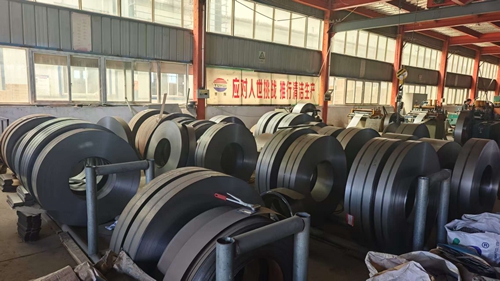
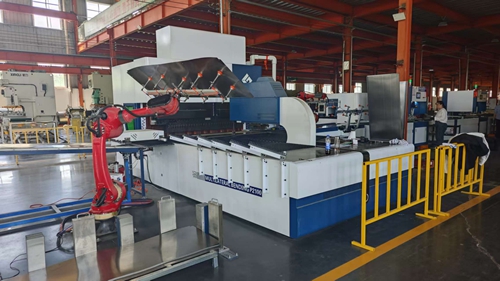
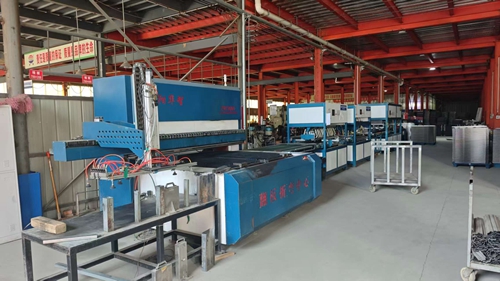
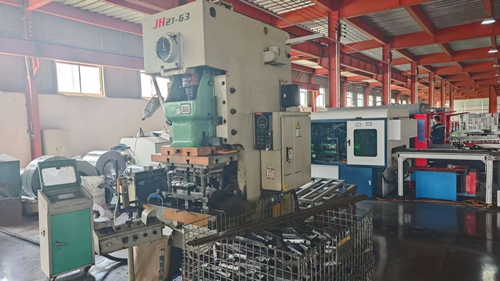
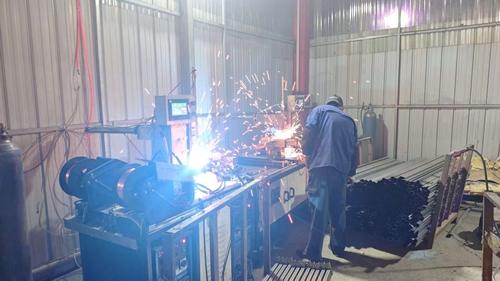
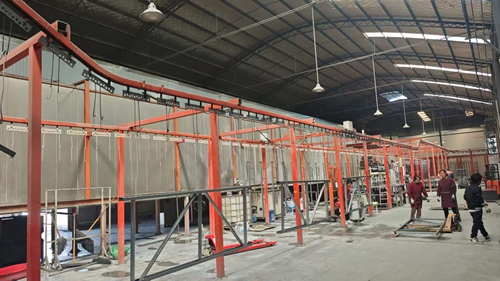
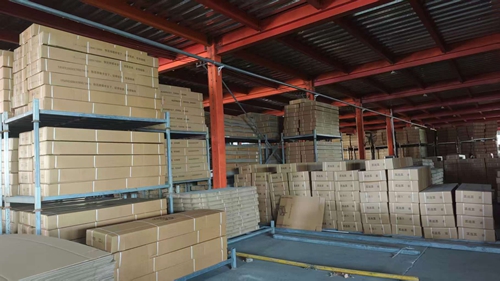
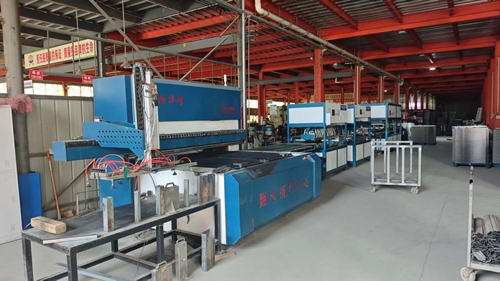
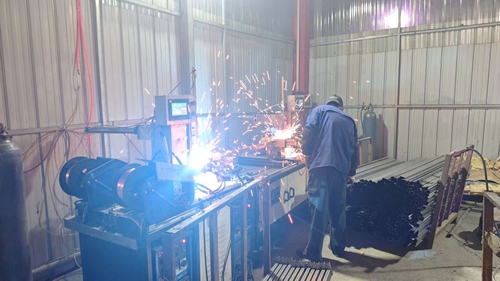
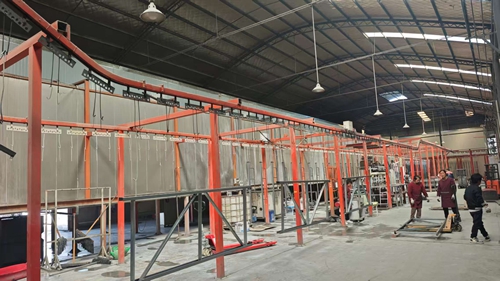
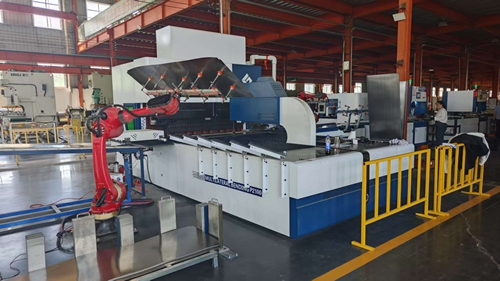
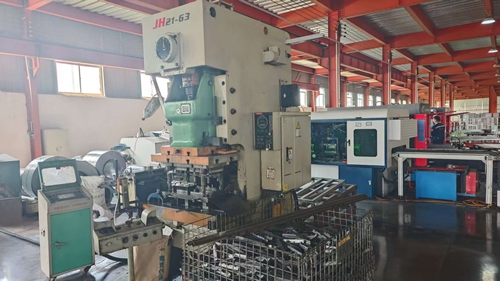
Yuanzhang's manufacturing capabilities are driven by automation, material tracking, and process control. Incorporating Factory 4.0 principles, the facility utilizes CNC automated machining centers, multi-stage powder coating ovens, and continuous robotic welding cells. This ensures that every beam, column, and bracing diagonal is fabricated to tolerances measured in tenths of a millimeter. Below is a detailed view of the sequential fabrication and assembly flow:
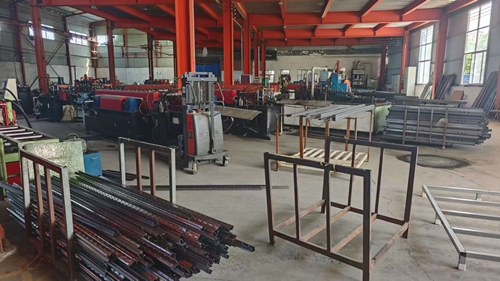
Industrial warehouse operations differ extensively by industry sector. Standardized storage components must adapt to unique, segment-specific environmental requirements:
The future of industrial storage systems is closely linked with building intelligence and carbon neutrality. Advanced manufacturers are incorporating smart sensing technologies and eco-friendly finishes into their engineering roadmaps:
For global enterprises, procuring structural steel racking from overseas partners requires evaluating factors beyond price. Procurement departments focus on ensuring supply chain reliability, total cost of ownership (TCO) efficiency, and structural safety:
| Procurement Focus Area | Key Engineering Requirements | Strategic Value Deliverables |
|---|---|---|
| Freight & Cargo Optimization | Flat-packed knock-down modular components, nesting upright frames | Reduced maritime shipping volumes, lower ocean freight, and container utilization optimized to >95%. |
| Local Code Compliance | Compliance with CE (Europe), FEM 10.2.02, RMI (Americas), AS4084 (Australia) | Ensures hassle-free local building permits, worksite health inspections, and structural engineering approvals. |
| Production Agility | Flexible manufacturing cells, dynamic raw steel reserves (Q235B/Q355B) | Shorter delivery schedules, ability to adjust production volumes, and quick response times for expansion orders. |
| Structural Quality Validation | Ultrasonic weld testing, steel batch certificates, load test reports | Guarantees site safety, zero structural failures under load, and simplified insurance validation. |
Q235B and Q355B represent distinct structural steel carbon grades. Q235B features a yield strength of 235 MPa and is suitable for standard loads (light to medium duty). Q355B provides a yield strength of 355 MPa (roughly 50% stronger), making it ideal for tall, heavy-duty racking columns, high-rise mezzanine designs, and areas requiring seismic resistance.
Compliance guarantees the structural framework is engineered to withstand expected local stresses, load configurations, and dynamic forklift impacts. Adhering to these standards ensures the racking is structurally sound and complies with workplace safety regulations during facility audits.
We provide two high-performance solutions: Epoxy Powder Coating applied electrostaticly to protect against condensation, and Hot-Dip Galvanizing (HDG), which coats the steel in zinc to provide long-term rust protection in freezing and high-humidity environments.
Yes, but it requires tighter tolerances. Automated shuttle systems require precise alignment, lower deflection limits (L/300 deflection), and specialized guide rails to prevent equipment interference during operation.
Our quality control system spans raw material testing, online automated dimension checks during roll forming, ultrasonic weld testing, and powder coat thickness verification. A team of 45 QA/QC inspectors ensures every component meets international requirements.
Explore our line of modular shelving, mezzanine platforms, and adjustable racking systems configured for versatile commercial applications.
 Yuanzhang Rack