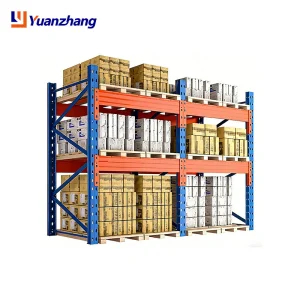
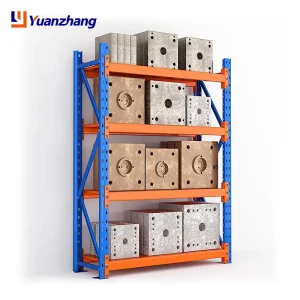
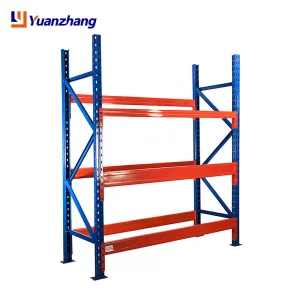
Explore our engineering-grade structural racking inventory, tailored for versatile heavy-duty industrial storage environments.
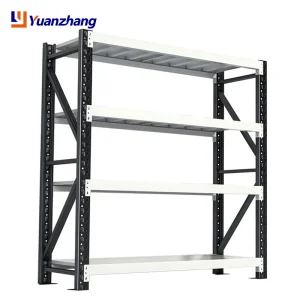
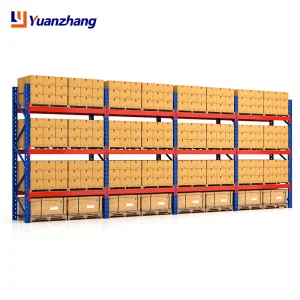
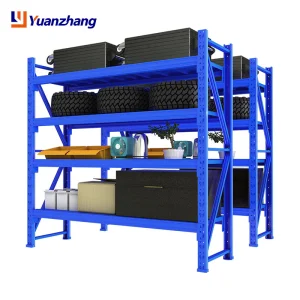
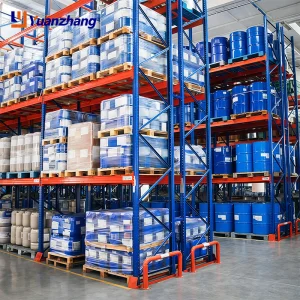
In modern industrial warehousing, space optimization is no longer just a metric of storage efficiency—it is a critical driver of supply chain cost containment and operational throughput. Push-back racking systems represent a pinnacle of semi-automated, high-density storage technology. By utilizing nested carts rolling on inclined rails, push-back storage combines the space-saving benefits of drive-in systems with the easy-access characteristics of selective racking.
Under a Last-In, First-Out (LIFO) operational model, push-back racking allows pallets to be stored from 2 to 6 positions deep. Forklift operators never enter the rack structure; instead, the forklift pushes the first pallet back to make room for the next, nesting subsequent carts. When a front pallet is retrieved, gravity gently rolls the remaining pallets forward to the picking aisle at a controlled, engineered speed.
The mechanical efficiency of a push-back system relies entirely on structural physics. A standard gradient of 2.5% to 3.0% ensures that heavy pallets glide smoothly without accelerating out of control, while precision-machined heavy-duty roller bearings reduce static friction to allow seamless forklift pushing mechanics.
How Shenzhen Yuanzhang Trading Co., Ltd. integrates smart manufacturing, robust QA testing, and global logistics capability to deliver top-tier racking systems.
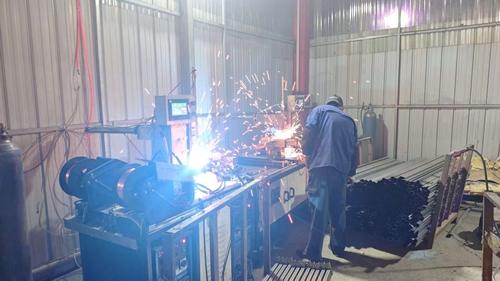
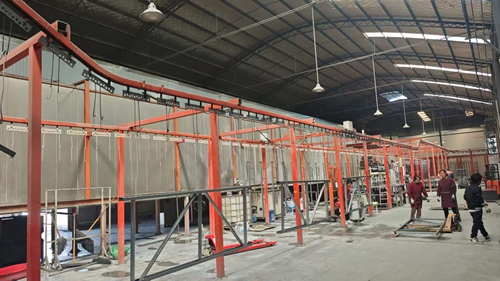
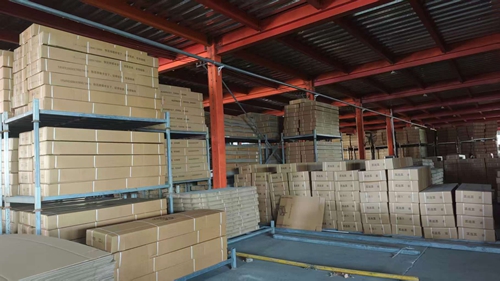
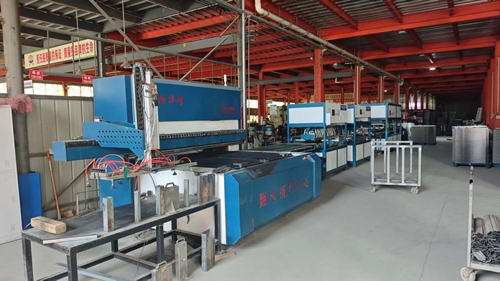
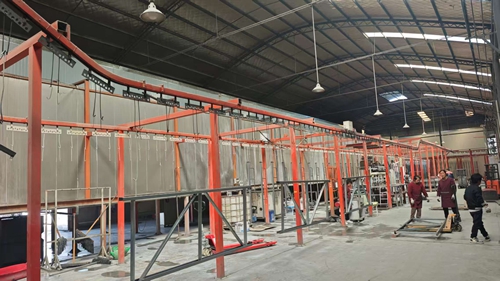
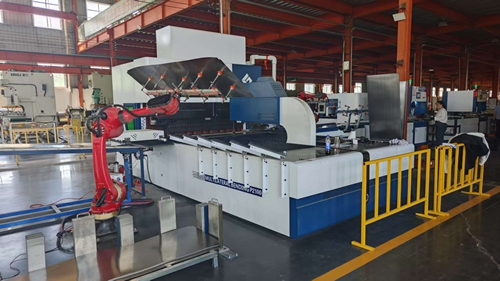
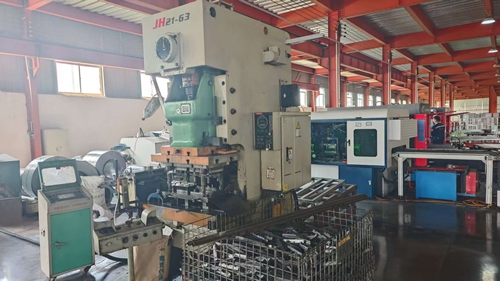
Established in 2015, Shenzhen Yuanzhang Trading Co., Ltd. is a premier structural manufacturer and exporter specializing in heavy-duty warehouse racking and customized industrial storage systems. Operating out of a state-of-the-art 35,000 m² production facility, we bring 12 years of deep industry expertise and 8 years of dedicated international trade experience to global logistics and commercial storage projects.
Driven by technical excellence, our operations are backed by a robust research and development center staffed with 25 expert R&D engineers. Demonstrating our strong commitment to innovation, we launched over 150 new storage solutions last year alone. We offer fully versatile OEM/ODM custom options, including specialized dimensions, weight capacity adjustments, surface coatings, and modular structural designs to meet diverse client requirements.
Quality and reliability form the foundation of our business. We enforce strict multi-stage quality control—utilizing advanced automated ultrasonic testing, raw material stress analysis, and load-bearing fatigue assessments executed by a dedicated team of 45 QA/QC inspectors.
With annual export revenue reaching $28 million USD and a resilient global supply chain network of over 800 strategic raw material and component partners, we maintain steady delivery timelines worldwide. Our primary export markets span North America, Western Europe, Southeast Asia, and the Middle East.
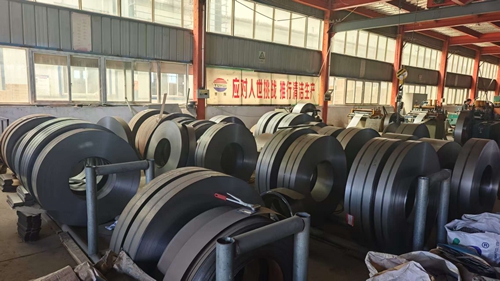
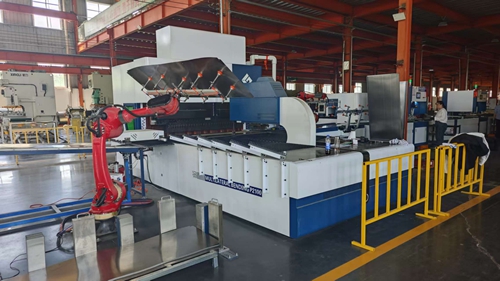
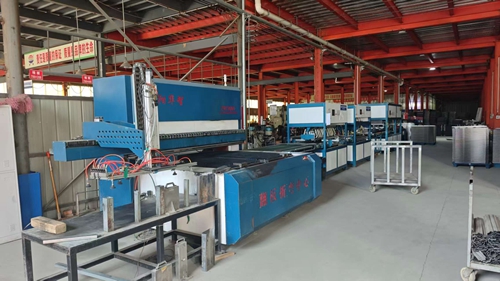
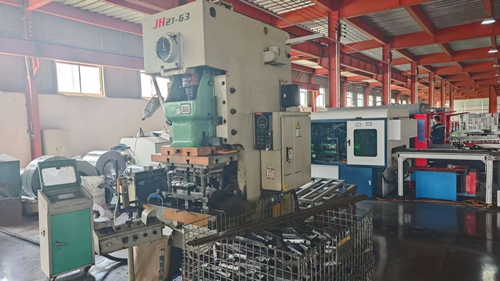
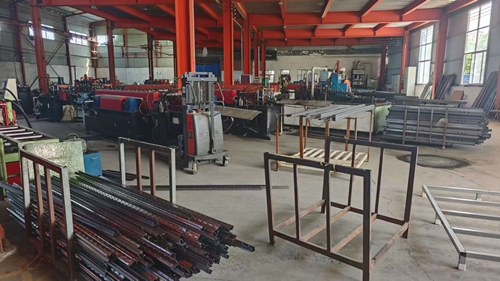
Push-back systems require rigorous mechanical engineering standards due to the dynamic movements of pallets inside the rack. Unlike static selective racks, a push-back system undergoes constant loading, pushing, shifting, and sliding stresses.
Our push-back structural systems are engineered with high-strength structural grade steels (Q235B & Q355B) to ensure elastic stability. The major structural elements comprise:
| Racking Spec / Variable | Light to Medium-Duty System | Heavy-Duty Industrial System | Dynamic Push-Back Configurations |
|---|---|---|---|
| Load Capacity (per Pallet) | 100kg - 800kg | 1000kg - 2500kg | Up to 3000kg custom design |
| Lane Depth Limit | 2 to 3 Pallets deep | 4 to 6 Pallets deep | 2 to 6 Pallets nested carts |
| Profile Material Grade | Cold Rolled Steel Q235B | High Yield Steel Q355B | High strength structural channel |
| Surface Treatment | Electrostatic Powder Coated | Hot Dip Galvanized / Powder | Outdoor/Cold storage specialized |
| Seismic Zone Compliance | AS4084 / FEM standard | RMI Standard / IBC Compliant | Tailored structural calcs |
To reduce risk under dynamic operations, a safety structural checklist is mandatory. Every push-back cart system is equipped with positive travel stops to prevent cart over-travel. Forward limits ensure the last cart stops perfectly at the aisle face, preventing cart dislodgement. We also integrate safety mesh barriers on the rear structures and robust column protectors (post protectors) on front frames to resist forklift impacts.
High-density racking is not a one-size-fits-all product. Storage layouts must align with macro supply chain variables, shipping cycles, and product rotation metrics. The application of push-back storage yields clear ROI across several major sectors:
Modern 3PL facilities store high volumes of mixed SKUs. Standard Selective Racks require extensive aisle space, while Drive-In Racks sacrifice inventory access velocity. Push-Back racking provides the perfect middle-ground: high density combined with multiple dedicated pick faces. Each lane can handle a unique SKU, accelerating warehouse picking efficiency and inventory turnaround times.
Refrigerated and blast-freezing warehousing is highly expensive to build and power. Maximizing storage volume per cubic meter directly lowers energy utility costs. Push-back systems allow dense packing of frozen goods, minimizing wasted aisle space. With special cold-room bearing lubricants, our carts maintain smooth kinetic movement at sub-zero temperatures.
FMCG environments demand high-throughput loading and unloading speeds. Push-back storage supports high-volume batch picking. Pallets are easily visible and accessible from the single aisle, keeping order-fulfillment channels moving at peak speed.
A regional FMCG distributor integrated standard heavy-duty selective racks on the upper levels for slow-moving stock, while using a 4-deep nested push-back system on the lower levels for high-velocity pick lanes, resulting in a 45% increase in throughput and 30% reduction in vehicle transit accidents.
Global procurement teams must manage compliance risks, manufacturing tolerances, and delivery logistics. Aligning with an certified exporter is crucial to ensure structural safety and regulatory conformity in Western and global markets.
Shenzhen Yuanzhang Trading Co., Ltd. ensures that structural analysis and designs conform to localized regulatory frameworks:
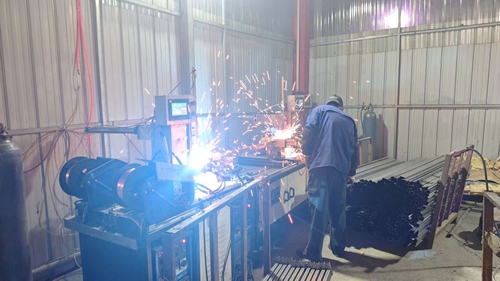
Our quality verification processes are structured to avoid failures. Before raw materials enter the rolling mill, they undergo tensile testing to verify yield and ultimate strength. High-precision automated welding lines are checked with non-destructive ultrasonic testing to verify weld throat thickness and check for voids. Finally, finished frames undergo physical vertical loading and fatigue testing to simulate decades of forklift impacts.
Answering the most critical engineering, cost, and layout planning questions from global warehouse developers and procurement directors.
Explore our high-capacity structures built for demanding material handling applications.
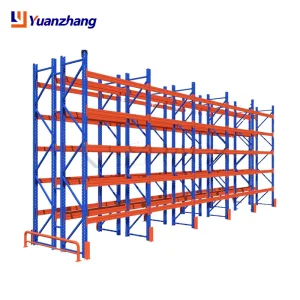
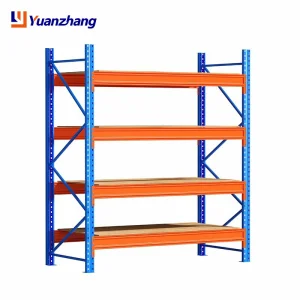
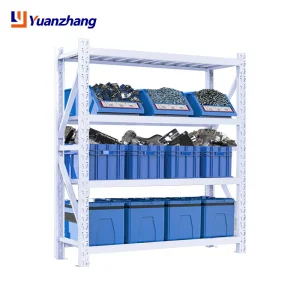
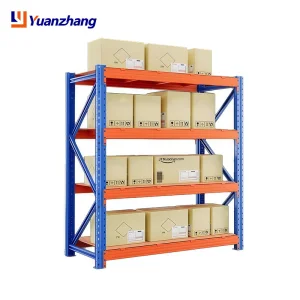
 Yuanzhang Rack