Engineered to maximize vertical efficiency and support excessive point-load and uniformly distributed load requirements.
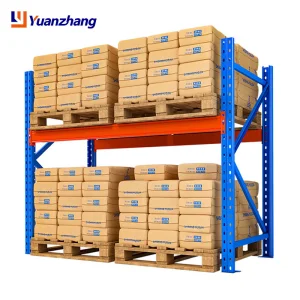
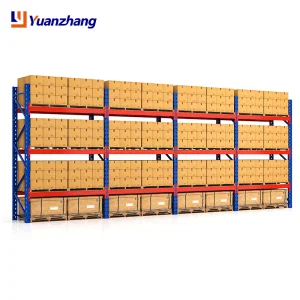
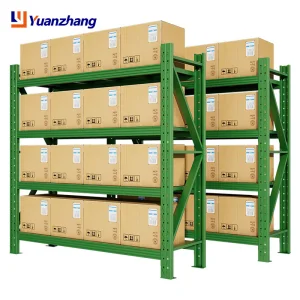
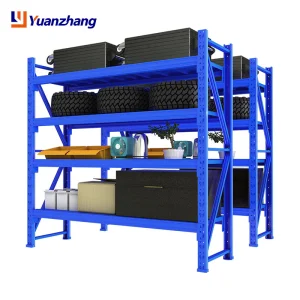
Analyzing systemic shifts in material handling, logistics throughput optimization, and steel structure engineering.
The global warehousing landscape is undergoing an unprecedented structural transition. Rapid e-commerce expansion, omnichannel logistics distribution models, and escalating real estate costs in urban clusters have placed immense pressure on industrial operators to optimize volumetric density. Heavy-duty platforms, structured steel mezzanines, and dynamic high-bay pallet racking systems are no longer just storage solutions; they represent the structural backbone of modern logistics hubs. By integrating sophisticated structural modeling and material engineering, these systems transform vacant overhead space into highly productive, load-bearing storage zones.
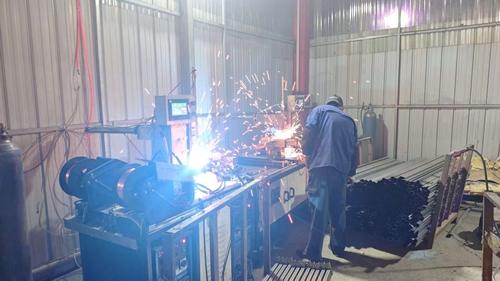
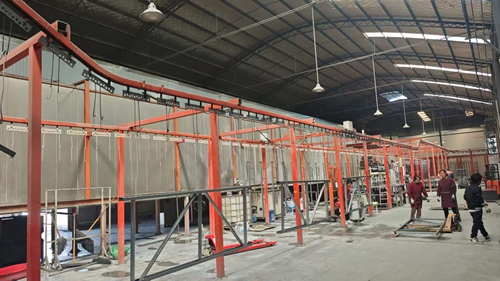
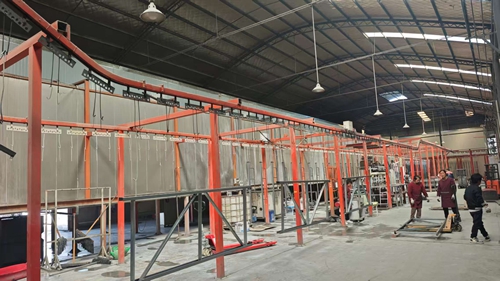
In response to these demands, modern structural layout configurations emphasize modular design, structural robustness, and compliance with strict seismic regulations. Industrial platforms must be precisely calculated to withstand heavy machinery, palletized loads, and material handling equipment. Advanced factories now utilize cold-rolled steel profiling, robotic precision welding, and electrostatic powder coatings to ensure that every upright frame, beam, and decking element delivers long-term functional stability, safety, and operational reliability under demanding industrial conditions.
"Modern industrial operations demand warehouse layouts that dynamically scale. Structural platforms and racking must be calculated to support dynamic loads, resist local seismic activity, and withstand forklift operational hazards. Quality and precision are non-negotiable parameters."
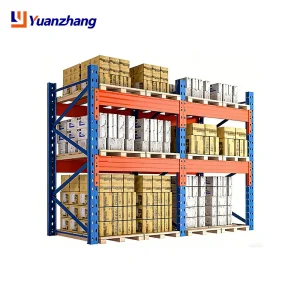
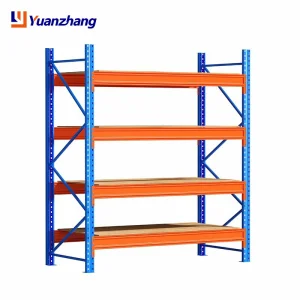
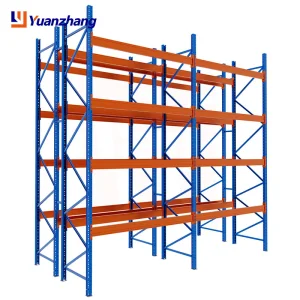
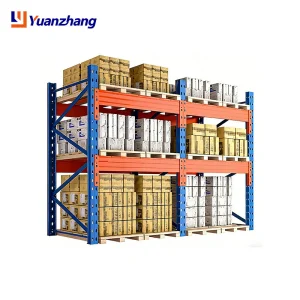
Choosing between structural steel mezzanines and multi-tier selective pallet racking depends on load profiling, product diversity, and operational automation. Custom steel mezzanines utilize heavy-duty columns and I-beams to support concrete, steel grate, or wooden floors, creating high-load, open-span workspaces. This is ideal for assembly zones, packing lines, or localized sorting areas. Conversely, selective pallet systems utilize specialized upright frames and horizontal beams designed for direct crane or forklift access, prioritizing access rate and product turnover speed.
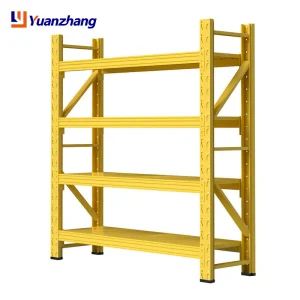
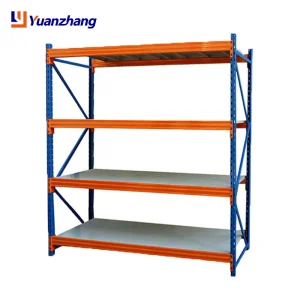
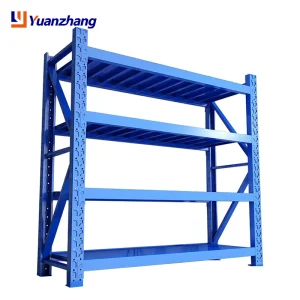
Modern hybrid designs increasingly bridge these options. By placing multi-tier long-span shelving atop structural platforms, operators combine high-density pallet storage with dedicated pick-and-pack stations. This design flexibility ensures that material handling operations can scale vertically, maximizing facility utilization without requiring costly horizontal expansions.
Understanding critical engineering criteria, international standard compliance, and cost-of-ownership factors.
Engineers evaluate dead loads, live loads, product configurations, and site-specific seismic hazard data. Racks must comply with the Rack Manufacturers Institute (RMI) standards or European FEM 10.2.02 codes to prevent buckling or shear failure under load.
Utilizing high-tensile structural steel (such as Q235B and Q345B) ensures structural integrity. Surfaces are coated with industrial-grade electrostatic powder coating or hot-dip galvanization to resist corrosion in chemical storage and cold-chain warehouses.
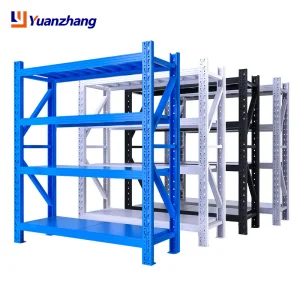
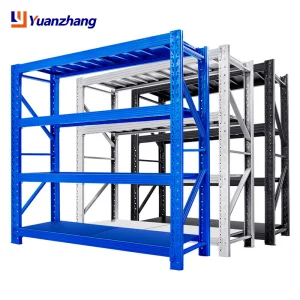
As business demands change, shelving configurations must adapt. Enterprise procurement teams prioritize boltless connectors, adjustable pitch patterns, and modular frames to easily modify bay widths, shelf spacing, and load profiles.
How advanced production automation and integrated material supply chains deliver unmatched price-to-performance efficiency.
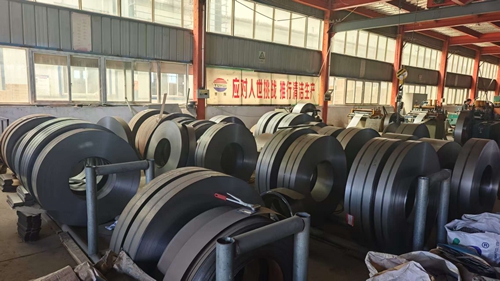
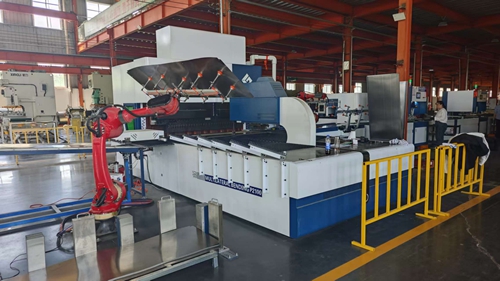
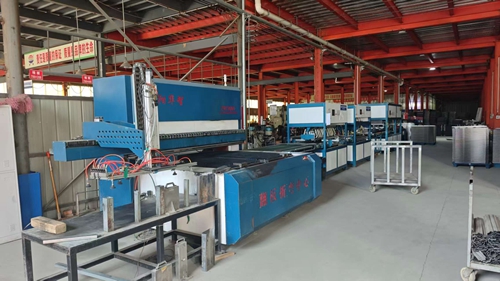
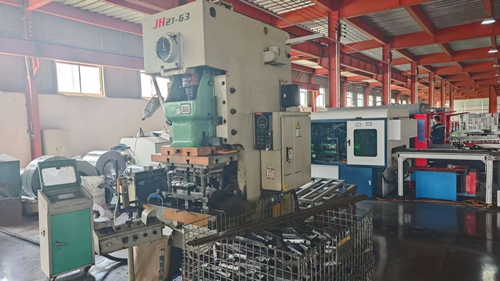
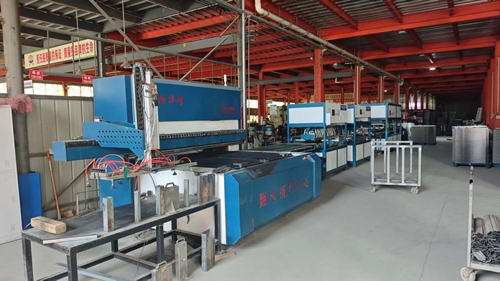
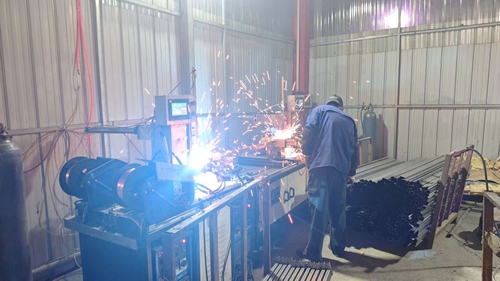
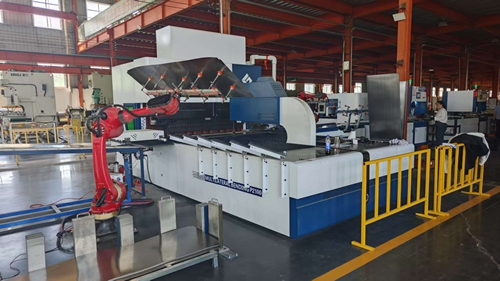
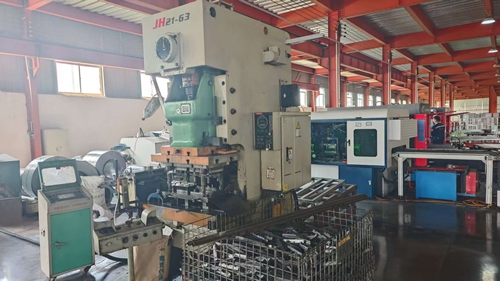
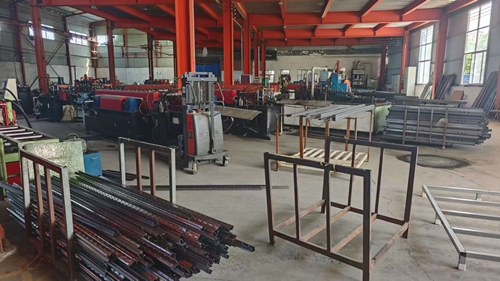
The manufacturing of heavy-duty racking systems in China has evolved from basic metal fabrication to advanced Industry 4.0 production environments. Leading manufacturers, such as Shenzhen Yuanzhang Trading Co., Ltd., integrate automated rolling lines, laser tube cutters, and robotic welding cells. These automated setups ensure that structural uprights, box beams, and step beams are formed to precise tolerances, keeping variations within a fraction of a millimeter. This precision is essential for large multi-tier storage setups, where even minor alignment errors can weaken the overall structural capacity.
Furthermore, China's comprehensive industrial supply chain provides a reliable source of raw steel, custom fasteners, and high-performance powder coatings. This ecosystem allows manufacturers to manage raw material costs effectively and maintain stable delivery timelines, even during market fluctuations. By combining automated production with proximity to deep-water shipping ports like Shenzhen, domestic factories can produce and ship high-quality steel racking systems worldwide at competitive prices.
A leading global manufacturer of customized structural racking and heavy-duty storage systems.
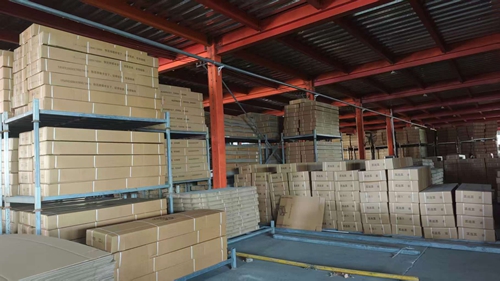
Established in 2015, Shenzhen Yuanzhang Trading Co., Ltd. is a leading manufacturer and exporter specializing in heavy-duty warehouse racking and customized industrial storage systems. Operating out of a state-of-the-art 35,000 m² production facility, we bring 12 years of deep industry expertise and 8 years of dedicated international trade experience to global logistics and commercial storage projects.
Driven by technical excellence, our operations are backed by a robust research and development center staffed with 25 expert R&D engineers. Demonstrating our strong commitment to innovation, we launched over 150 new storage solutions last year alone. We offer fully versatile OEM/ODM custom options, including specialized dimensions, weight capacity adjustments, surface coatings, and modular structural designs to meet diverse client requirements.
Quality and reliability form the foundation of our business. We enforce strict multi-stage quality control—utilizing advanced automated ultrasonic testing, raw material stress analysis, and load-bearing fatigue assessments executed by a dedicated team of 45 QA/QC inspectors.
With annual export revenue reaching $28 million USD and a resilient global supply chain network of over 800 strategic raw material and component partners, we maintain steady delivery timelines worldwide. Our primary export markets span North America, Western Europe, Southeast Asia, and the Middle East. We proudly serve a diverse spectrum of global clients, ranging from large-scale third-party logistics (3PL) providers and industrial distributors to commercial warehouse developers and retail chain enterprises.
Solving complex space utilization and supply chain problems across diverse commercial sectors.
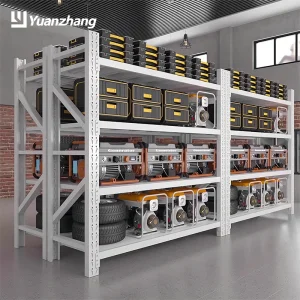
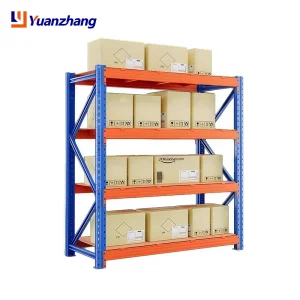
3PL operators manage a diverse and constantly changing inventory, requiring storage configurations that offer high flexibility. Selective pallet racking systems allow forklifts direct access to every pallet position, keeping loading times to a minimum. By pairing these setups with adjustable wire decking or support bars, facilities can accommodate varying load sizes while maintaining clean, organized picking lanes.
Operating cold storage facilities requires managing high energy costs to keep rooms chilled. Because space is at a premium, dense racking configurations—such as drive-in, push-back, or automated shuttle systems—are used to maximize storage volume. Structural elements in these environments require specialized steel grades that remain resilient at sub-zero temperatures and thick zinc coatings to protect against moisture and rust.
Storing heavy automotive parts, engines, and tires requires robust structural platforms. Customized racking configurations, such as powder-coated stackable tire racks, provide a secure method for storing high-density, odd-shaped items. These structures are built with reinforced base plates and structural framing to handle heavy point-loads and dynamic forces during forklift transport.
Premium storage inventory engineered for load stability, durability, and corrosion resistance.
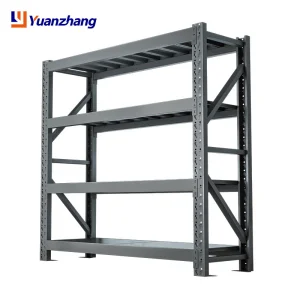
Addressing critical design questions for heavy-duty industrial platforms and racking installations.
 Yuanzhang Rack