Engineered to meet European CE standards, these industrial-grade warehousing systems guarantee load capacities up to 3000KG per level.
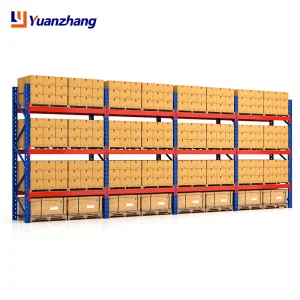
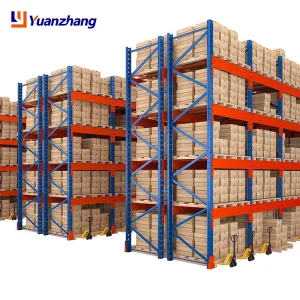
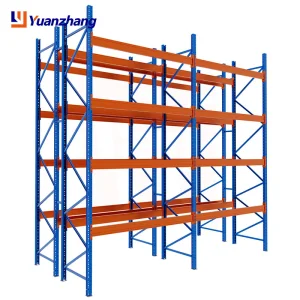
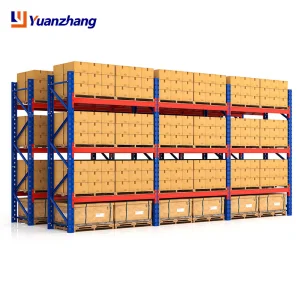
How the global logistics boom, real estate scarcity, and strict international compliance standards are reshaping structural shelving designs.
Global warehouse real estate has experienced unprecedented demand, driving square-footage costs to historic highs. To maintain thin-margin operational profitability, modern third-party logistics (3PL) providers and retail giants are scaling vertically. Industrial shelving systems have graduated from simple static racks to complex, multi-tiered structural environments. Stacking loads up to 15 meters high requires specialized engineering calculations, precise steel grain alignment, and validated seismic resistance factors. CE Certification acts as the primary risk-mitigation benchmark, guaranteeing structural parameters remain constant under extreme continuous load cycles.
The global steel raw material supply chain has seen massive shifts, with a high premium placed on structural grades (such as Q235B and Q355B). Under international sourcing protocols, commercial purchasing agents require transparent traceability from steel mill certification to the finished powder-coated profile. Standard warehouse shelving no longer satisfies regional insurance mandates. Standardized documentation (covering tensile strength, impact test ratings, and chemical compositions) is necessary. Leading suppliers must show verifiable adherence to EN 10204 3.1 certification guidelines to gain trust among Fortune 500 logistics firms.
Across Europe and the Middle East, standard logistics systems must strictly comply with EN 15512 (Steel static storage systems) regulations. These rules require regular testing of racking components (including uprights, beams, baseplates, and connectors). Purchasing agents are actively steering away from uncertified suppliers to prevent structural failure liabilities and insurance voids. A CE-certified structural racking setup assures safety officers that the deflection limits, eccentric load allowances, and baseplate anchoring mechanisms have been calculated by qualified structural engineers.
Technical compliance requires precise manufacturing control, structural integrity, and rigorous testing protocols.
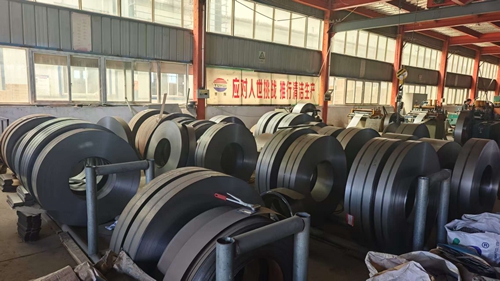
Structural reliability starts with raw steel selection. Certified racks utilize hot-rolled and cold-rolled structural steel with high yield strength (typically Q235B or Q355B). This ensures the structural frame can absorb impact from material-handling machinery without experiencing structural collapse.
Using Finite Element Analysis (FEA) software, design engineers simulate seismic events and structural loads. System nodes, beam connectors, and baseplates are engineered to withstand horizontal forces, minimizing damage during unexpected building shifts.
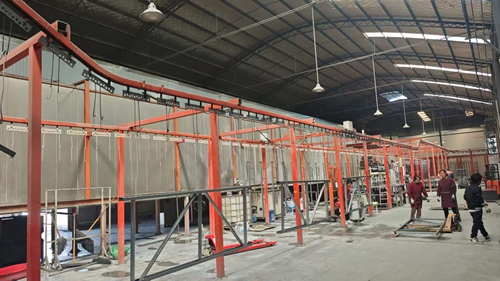
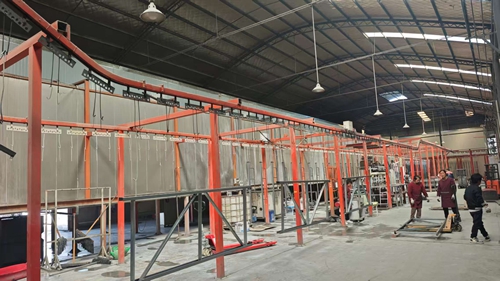
Industrial settings expose steel components to chemical corrosion, oxidation, and humidity. Racks receive a multi-stage surface treatment, including acid pickling, phosphating, and electrostatic thermosetting powder coating to ensure longevity.
Different industrial landscapes demand tailored loading configurations and customized surface treatments.
Storage systems in low-temperature warehouses (down to -30°C) must be resilient to cold-temperature brittleness. Standard steel is prone to micro-cracking under stress in sub-zero environments. Our Rust-Proof Cold Room Shelving solutions utilize specialized structural steel alloy composition, combined with hot-dip galvanized coating, to prevent oxidation and peeling.
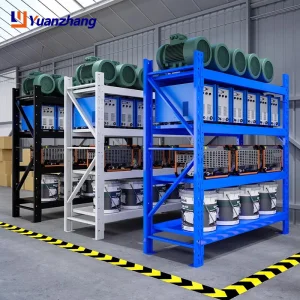
Fast-paced distribution operations demand quick pick times and flexible layout options. Adjustable boltless systems allow warehouse supervisors to change beam heights as inventory volumes fluctuate. Strong steel beams accommodate high-load distribution profiles, ensuring continuous operations without safety risks.
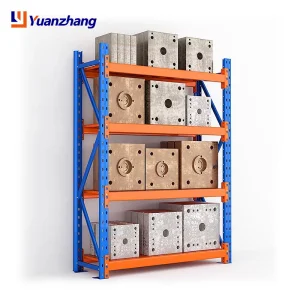
Manufacturing plants deal with bulky, heavy items like engine blocks and sheet metal coils. These products require reliable support systems. Triple-support uprights and thick beam profiles distribute heavy, concentrated loads safely, protecting inventory and personnel from structural failures.
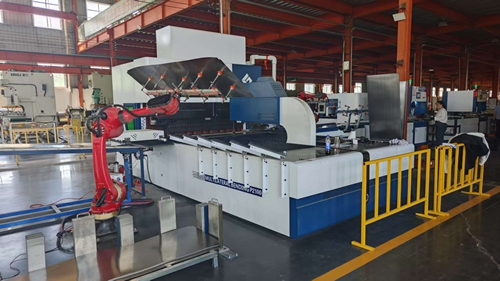
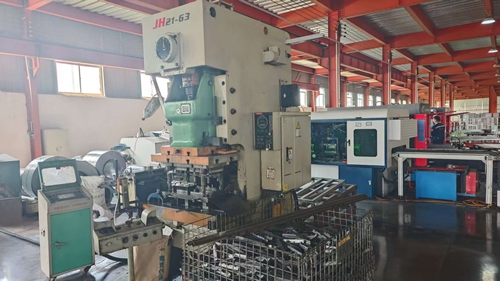
A global leader in structural racking manufacturing, backed by strict multi-stage quality control and advanced automated production lines.
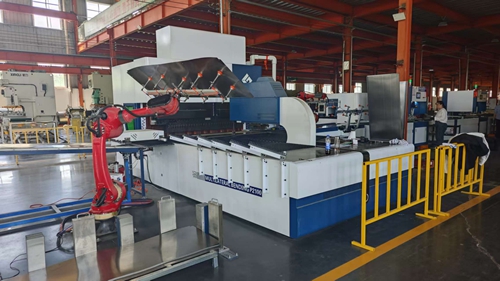
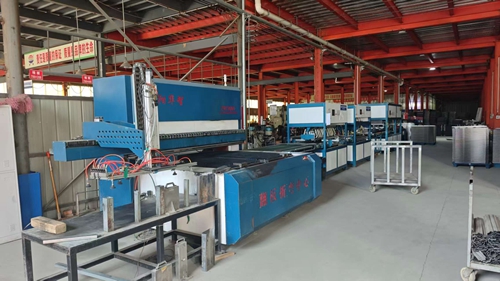
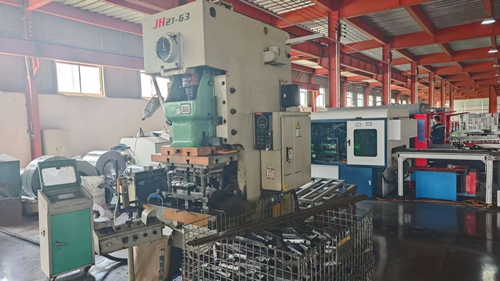
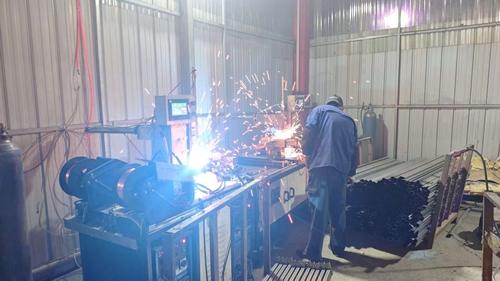
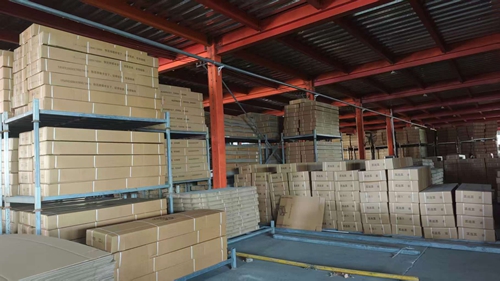
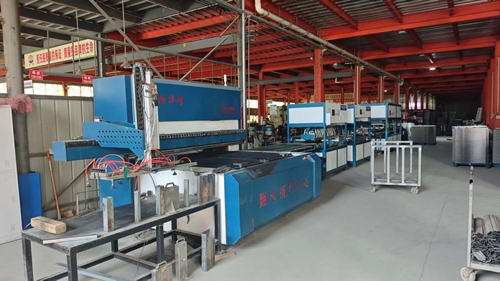
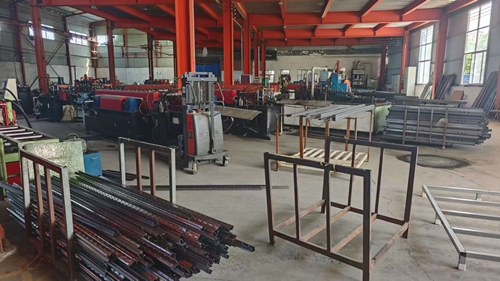
Established in 2015, Shenzhen Yuanzhang Trading Co., Ltd. is a leading manufacturer and exporter specializing in heavy-duty warehouse racking and customized industrial storage systems. Operating out of a state-of-the-art 35,000 m² production facility, we bring 12 years of deep industry expertise and 8 years of dedicated international trade experience to global logistics and commercial storage projects.
Driven by technical excellence, our operations are backed by a robust research and development center staffed with 25 expert R&D engineers. Demonstrating our strong commitment to innovation, we launched over 150 new storage solutions last year alone. We offer fully versatile OEM/ODM custom options, including specialized dimensions, weight capacity adjustments, surface coatings, and modular structural designs to meet diverse client requirements.
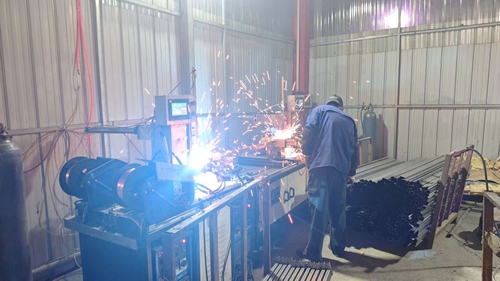
Quality and reliability form the foundation of our business. We enforce strict multi-stage quality control—utilizing advanced automated ultrasonic testing, raw material stress analysis, and load-bearing fatigue assessments executed by a dedicated team of 45 QA/QC inspectors.
With annual export revenue reaching $28 million USD and a resilient global supply chain network of over 800 strategic raw material and component partners, we maintain steady delivery timelines worldwide. Our primary export markets span North America, Western Europe, Southeast Asia, and the Middle East. We proudly serve a diverse spectrum of global clients, ranging from large-scale third-party logistics (3PL) providers and industrial distributors to commercial warehouse developers and retail chain enterprises.
The transition toward Automated Storage Retrieval Systems (AS/RS) and smart, sensor-integrated storage structures.
Future logistics hubs rely heavily on cranes, shuttles, and conveyor systems operating 24/7. This transition requires structural racking tolerances to be minimal. Our engineering roadmap prioritizes laser-aligned steel cutting and robotic welding systems to meet the strict deflection limitations required for automatic crane entry.
Integrating strain gauges and IoT sensors directly within structural beam profiles allows real-time load feedback. Dynamic monitoring warns facility supervisors if a section exceeds its safe working load limit, preventing collapses and simplifying safety audits.
Environmental footprint requirements are shaping global supply chains. We are transitioning toward lead-free, non-toxic powder coating processes that emit zero VOCs (volatile organic compounds), helping logistics projects achieve LEED certification.
Detailed engineering answers to the most common questions regarding structural steel shelving procurement.
Explore our wide selection of light, medium, and heavy-duty storage configurations tailored for commercial setups.
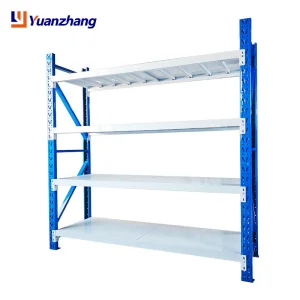
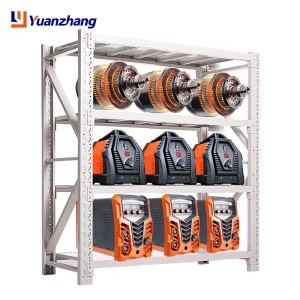
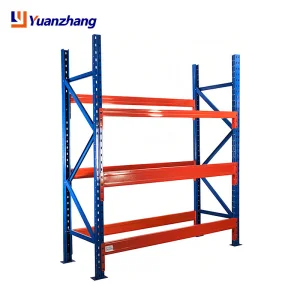
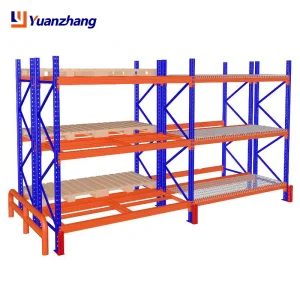
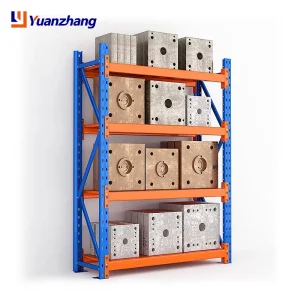
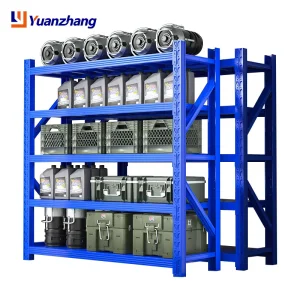
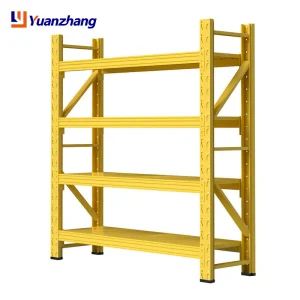
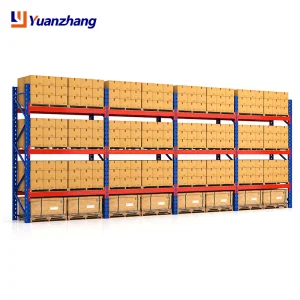
 Yuanzhang Rack