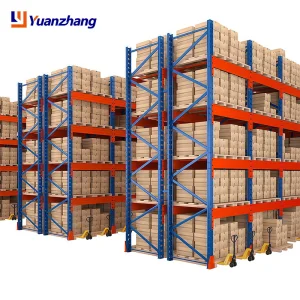
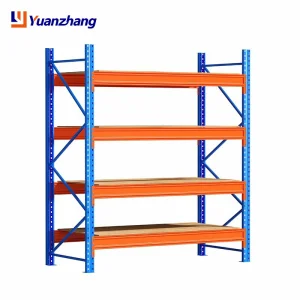
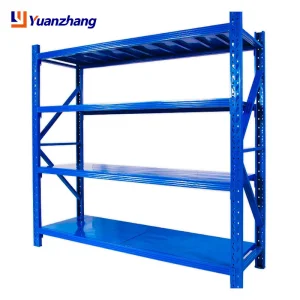
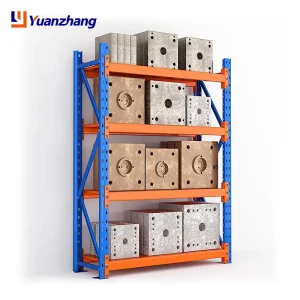
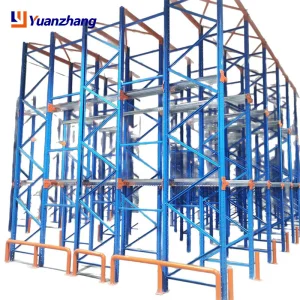
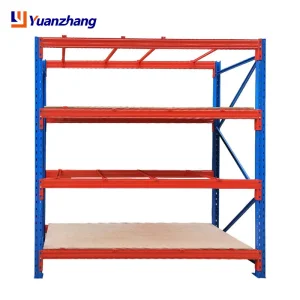
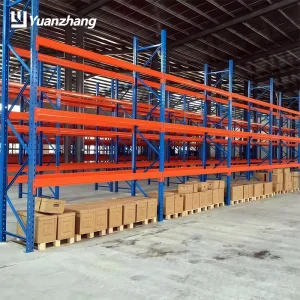
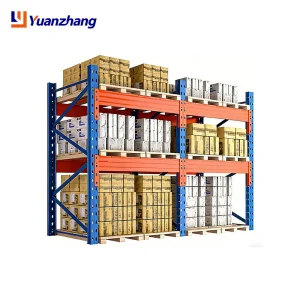
High-capacity structural steel configurations designed to optimize space utilization and ensure absolute vertical load stability in large-scale warehouses.
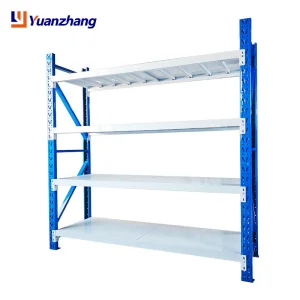
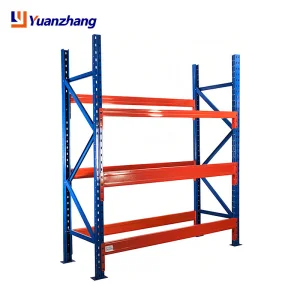
Shenzhen Yuanzhang Trading Co., Ltd. represents the cutting edge of industrial storage rack manufacturing. Established in 2015, we operate from our modern 35,000 m² high-capacity production facility. We leverage over 12 years of specialized storage system design and engineering expertise alongside 8 years of dedicated global export trade management to support logistics infrastructure, massive industrial plants, cold chain operations, and global 3PL distribution networks.
Our commitment to regulatory standards and safety engineering has established us as a primary manufacturing partner for companies seeking reliable CE-certified steel pallet racking. We supply storage frameworks that structurally exceed regional safety thresholds, ensuring stability, corrosion resistance, and structural longevity.
Backed by a research and development center of 25 R&D engineers, we launched over 150 project-specific storage variations last year. We tailor OEM/ODM configurations to specific mechanical loads, building layouts, and vertical clearance constraints.
We source cold-rolled steel exclusively from certified partners. This ensures predictable yield and tensile strengths, preventing deflection or stress fractures under heavy load profiles.
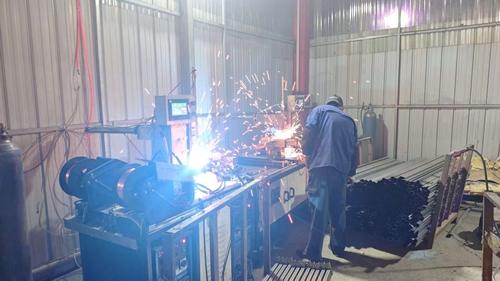
Our quality assurance department of 45 QA/QC inspectors carries out non-destructive ultrasonic weld inspections, material load-testing, and dynamic fatigue stress tests to verify safety compliance.
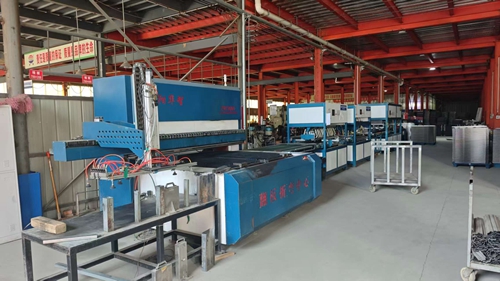
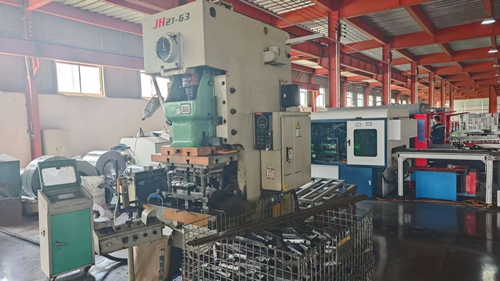
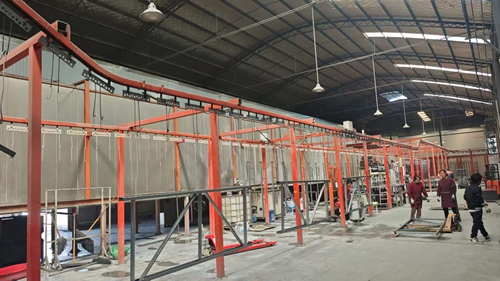
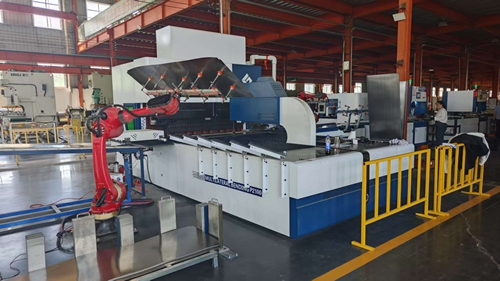
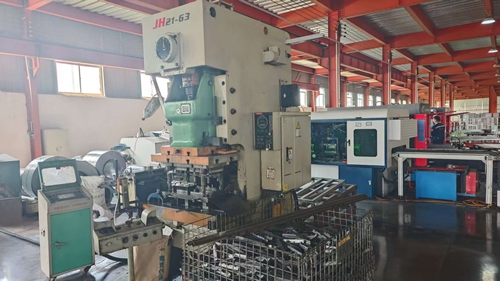
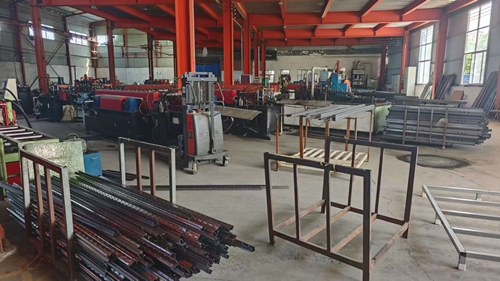
Our 35,000 m² factory integrates automated precision lines to ensure every structural rack member conforms to mill tolerances and design parameters.
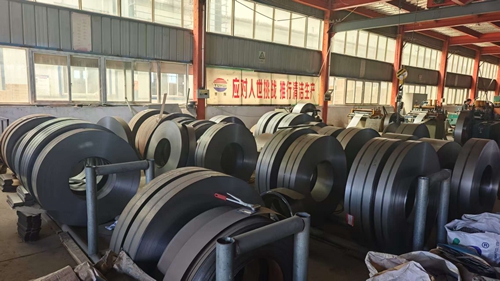
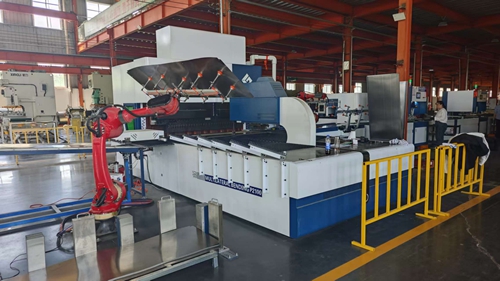
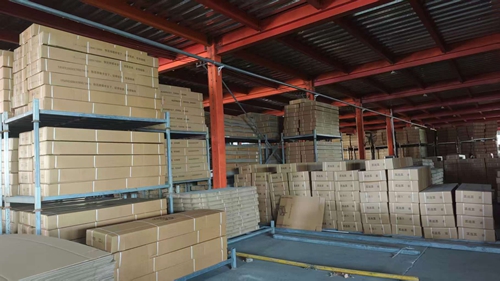
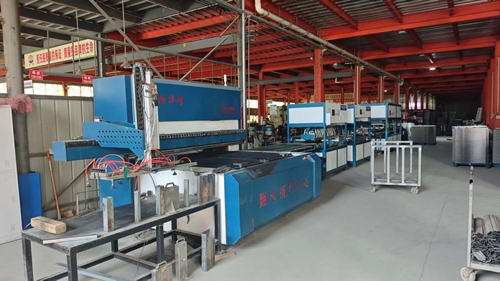
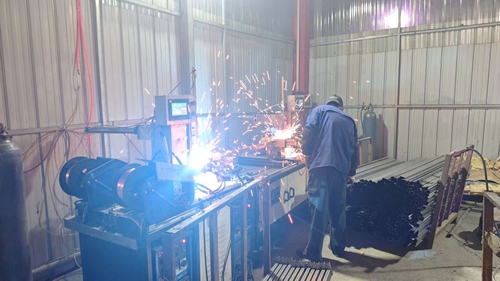
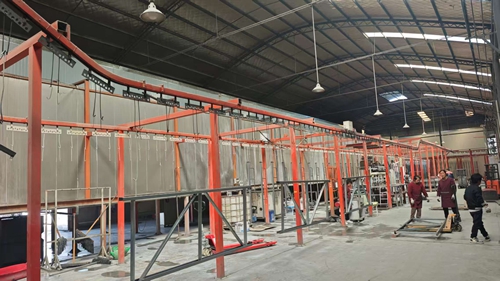
Heavy-duty industrial racking systems must be engineered with high safety margins. Unlike light shelving, racking designed for loads exceeding 1,000 kg per pallet level must factor in dynamic loading profiles, elastic deflection limits, global buckling modes, and potential fork truck impact forces. In compliance with EN 15512 (European standard for steel static storage systems) and the FEM 10.2.02 guidelines, structural integrity requires precise calculation of upright and beam deflection under full capacity load configurations.
The performance of heavy racking relies directly on the chemical composition and mechanical properties of the structural steel. We primarily utilize Q235B and Q355B structural steel grades, which undergo specialized processing to achieve optimal yield strength and ductility:
| Steel Grade Standard | Yield Strength (MPa) | Tensile Strength (MPa) | Elongation at Break (%) | Optimal Application Scenarios |
|---|---|---|---|---|
| Q235B (Equivalent to S235JR) | ≥ 235 | 370 - 500 | ≥ 26% | Standard light to medium longspan shelving, accessory beams, and light upright frames. |
| Q355B (Equivalent to S355JR) | ≥ 355 | 470 - 630 | ≥ 22% | High-bay upright frames, heavy-duty pallet beams, seismic-resistant components. |
Our Quality Assurance program covers the complete production life cycle. We use a three-stage testing matrix to verify that all components maintain structural integrity under load:
China remains a leading producer of heavy-duty warehouse racking systems. Manufacturers utilize highly integrated metallurgical supply chains, advanced automated roll-forming equipment, and cost-effective raw material sourcing to deliver structural steel solutions at competitive price points.
Shenzhen Yuanzhang Trading Co., Ltd. benefits from a close-knit network of over 800 supply chain partners. This logistics infrastructure allows us to rapidly scale production to meet project demands without quality or delivery delays. Our proximity to major shipping ports in Shenzhen and Guangzhou enables efficient handling of bulk ocean freight, helping overseas distributors optimize land and sea transit costs.
For procurement officers, 3PL managers, and industrial builders, sourcing heavy-duty racking requires careful evaluation of safety certifications, engineering verification, and supplier logistics capabilities:
The growth of automated logistics is driving major changes in warehouse storage design. Traditional static pallet storage is increasingly integrating with automated warehouse components:
Engineered to perform in demanding, high-throughput operating environments.
Designed for fast-paced, high-capacity operations. Adjustable pallet racking systems provide direct access to every pallet, streamlining inventory rotation for variable cargo shapes and weights.
Configured with heavy galvanized and corrosion-resistant powder-coated steel to withstand low temperatures (down to -30°C) without losing structural ductility or paint adhesion.
Heavy-duty racking profiles support high-density industrial storage, including heavy metal stampings, raw material coils, mechanical tooling, and structural manufacturing parts.
Answers to common structural engineering, procurement, and international logistics questions.
CE marking shows that the racking meets EU safety, health, and environmental standards. It confirms the structure has been calculated, tested, and manufactured in line with EN 15512 standards to safely bear its rated loads without failure.
We supply heavy-duty upright column guards and barrier rails made from thick steel. These are anchored directly into the warehouse concrete floor to absorb impact forces and protect the racking's vertical columns.
Yes. Our engineering team calculates local seismic loads and customizes the racking configuration with larger footplates, thicker structural anchors, and diagonal back-bracing to meet regional seismic safety requirements.
For high-humidity, outdoor, or cold-storage environments, we recommend hot-dip galvanized finishes or specialized outdoor polyester powder coatings. These provide superior protection against moisture and chemicals.
Under full load, the horizontal beam deflection should not exceed L/200. The vertical upright deflection should stay within 1/350th of the clear height, which aligns with standard FEM and EN structural tolerances.
Our R&D team reviews your warehouse floor plan, maximum pallet weight, ceiling height, and forklift models. We then provide CAD layout designs and stress calculations to determine the ideal structural configurations.
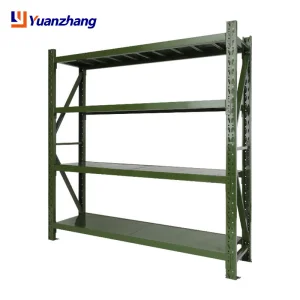
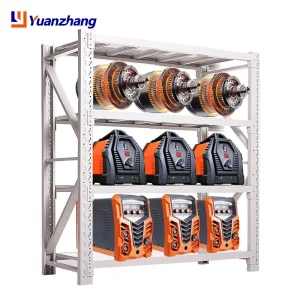
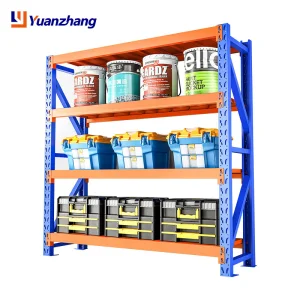
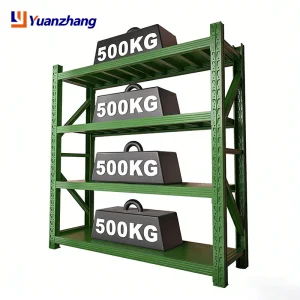
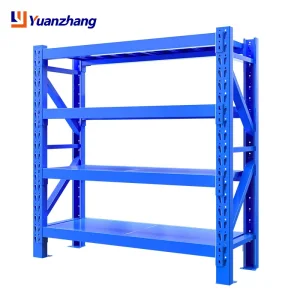
Select product configurations for high-capacity warehouse and factory setups.
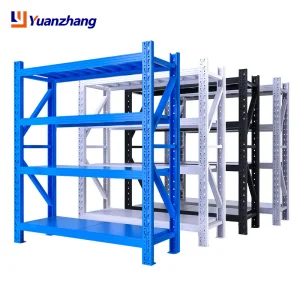
 Yuanzhang Rack