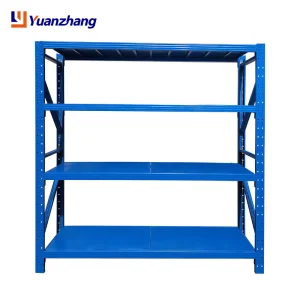
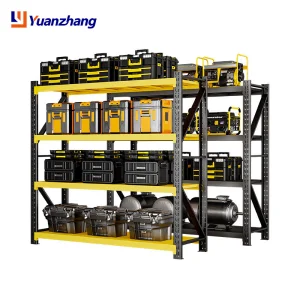
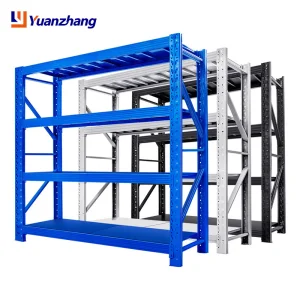
Explore our high-load selective storage racking solutions, engineered for maximum mechanical durability and immediate integration.
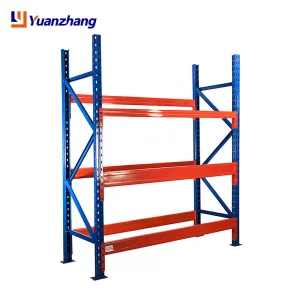
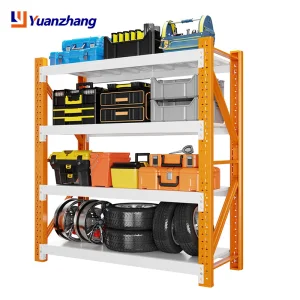
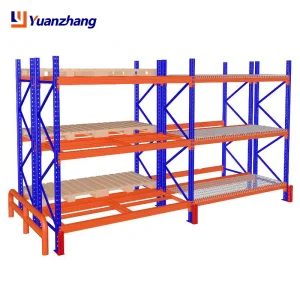
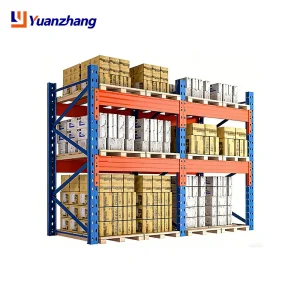
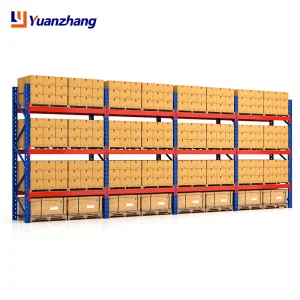
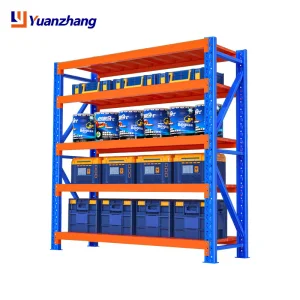
An in-depth analysis of physical load profiles, modular safety indexes, and metalwork metallurgy.
In modern industrial logistics, storage safety and assembly speed are critical criteria. CE Certified Boltless Systems represent a major development in structural engineering. They eliminate the need for traditional hardware connections like bolts and nuts. Instead, they rely on precision-tapered connector configurations, interlocking upright channels, and high-tensile beam clips. This design enables fast, tool-free installation while maintaining excellent vertical load capacities and structural rigidity.
“Under European Standards (EN 15512 and EN 15635), industrial boltless systems must withstand vertical gravitational forces and also resist lateral seismic forces and accidental impact loads from mechanical warehouse equipment.”
The reliability of any industrial shelving system starts with metallurgy. Premium boltless racking relies on hot-rolled and cold-formed high-strength structural carbon steels, primarily grades equivalent to Q235B and Q355B (conforming to EN 10025 standards). These steel formulations provide the optimal balance of tensile strength, ductility, and cold-forming properties. Upright frames are shaped using multi-stage rolling lines to distribute stress evenly across the column profile, preventing buckling when loaded.
To ensure long-term durability in variable humidity, cold storage, and aggressive chemical environments, our industrial racking undergoes a comprehensive five-stage surface pretreatment. This process includes acid pickling, phosphate rust-proofing, clean-water rinsing, and a thermo-hardened electrostatic powder coating. The resulting surface layer measures between 70 to 90 microns in thickness, resisting impacts, surface scratches, and corrosive chemical exposure.
Shenzhen Yuanzhang Trading Co., Ltd. is an industry-leading manufacturer specializing in heavy-duty warehouse racking and customized industrial storage systems. Operating since 2015, we provide global logistics projects with reliable, high-performance solutions.
Equipped with a 35,000 m² factory, our team brings 12 years of industry expertise and 8 years of international trade experience to global logistics projects. Our R&D team of 25 specialists designs and implements solutions tailored for large-scale 3PL distribution centers, cold chain operators, and commercial storage hubs. Last year alone, we introduced over 150 new modular storage designs. Our multi-stage quality control system utilizes automated ultrasonic testing, raw material stress analysis, and load-bearing fatigue assessments executed by 45 QA/QC inspectors.
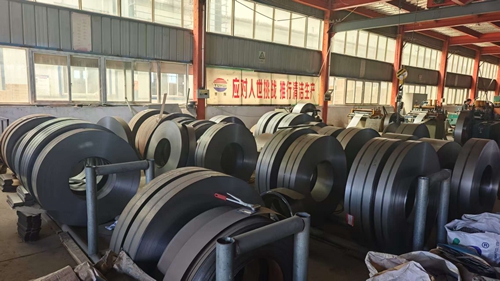
Certified high-strength steel coils tested for chemical composition.
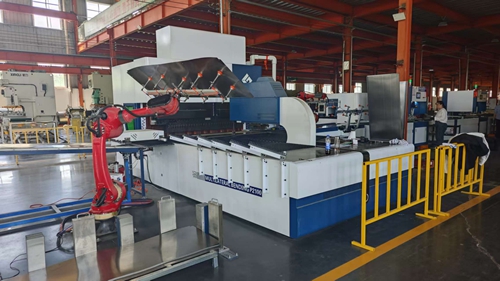
High-precision automated shearing systems cut sheet profiles.
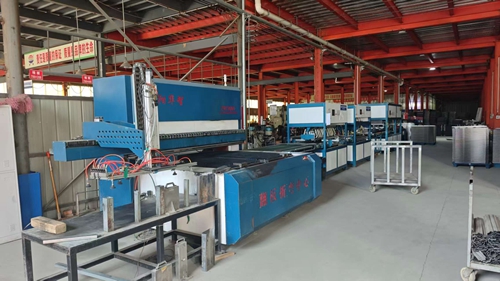
Heavy hydraulic pressing machines mold complex profiles.
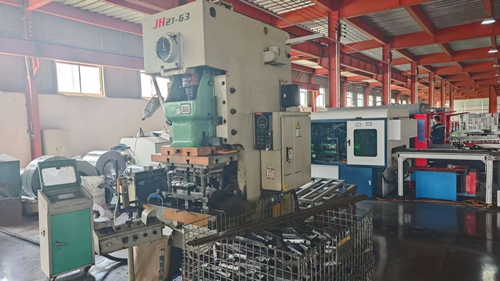
High-speed punching machines pierce teardrop connections.
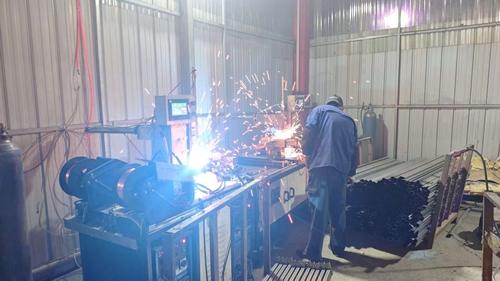
Robotic systems weld joints to ensure uniform structural strength.
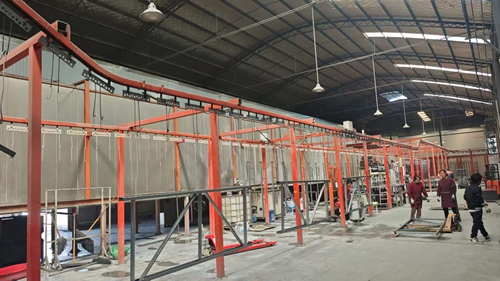
Electrostatic coating ensures a durable, corrosion-resistant finish.
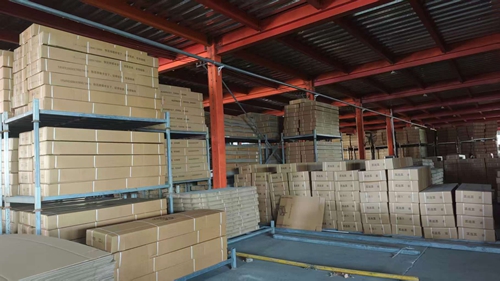
Completed units packaged and prepared for shipping.
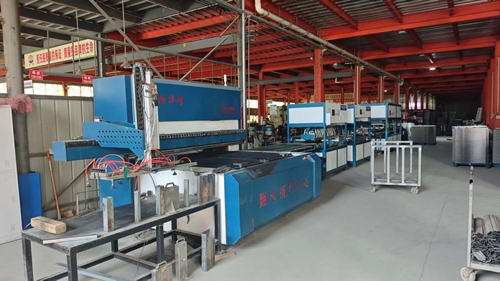
Forms structural profiles from flat steel coils.
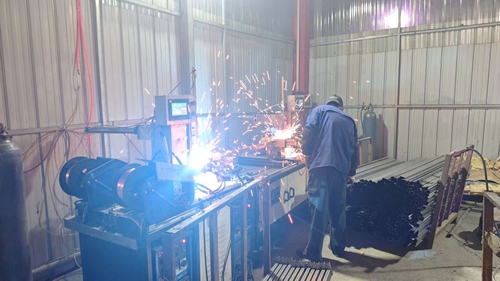
High-frequency welding machines secure beam end connectors.
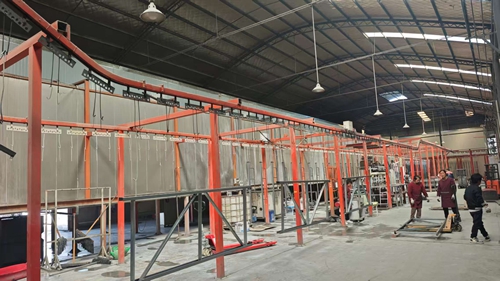
Fully automated multi-stage powder curing conveyor line.
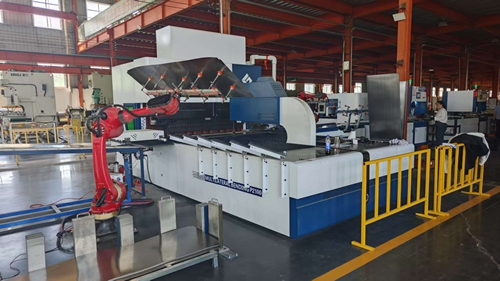
Laser-guided CNC systems cut profiles to exact dimensions.
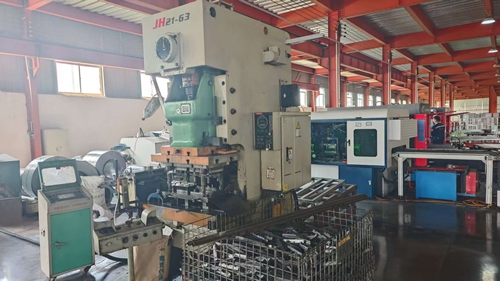
Precise stamping systems shape mounting keys and slots.
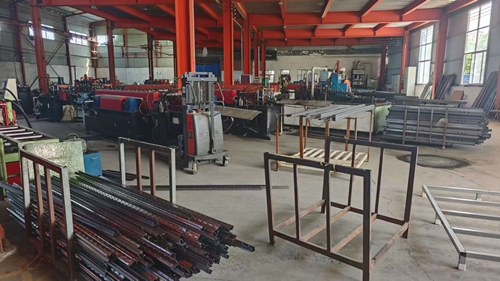
High-efficiency roll-forming system produces heavy upright posts.
Analyzing Chinese manufacturing ecosystems, technological shifts, and tailored warehouse configurations.
Sourcing from Southern China's manufacturing clusters, particularly in the Shenzhen and Guangdong regions, provides significant advantages for global industrial projects. Located near major logistics hubs and ocean terminals, factories benefit from a highly integrated supply chain. Access to high-grade steel mills, specialized powder coat suppliers, and advanced automated machinery allows for efficient operations. This proximity helps streamline production schedules, reduce domestic transport times, and optimize shipping container configurations, lowering overall landed costs for international buyers.
The industrial storage industry is shifting toward more modular, automated, and sustainable racking designs. Several key trends are shaping this transition:
Racking profiles designed with tight tolerances to support high-speed Automated Storage and Retrieval Systems (AS/RS).
Flexible connector patterns that adapt to changing SKU profiles and allow for easy structural reconfigurations.
Volatile Organic Compound (VOC) free epoxy-polyester coatings, supporting corporate green building policies.
Custom structural configurations engineered for specific vertical industries and environments.
Industrial storage racking needs to perform reliably in a range of environments, from high-capacity cold rooms to high-throughput commercial distribution centers. Below are common configurations deployed across the industry:
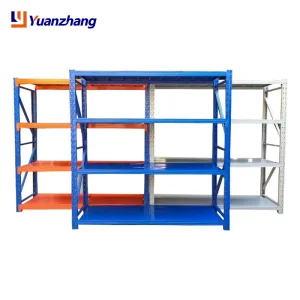
Optimized for high SKU counts and dynamic turnover. Features multi-tier pick levels and shelf dividers to streamline manual sorting operations.
Specifically engineered with specialized structural steel that maintains ductility and resists low-temperature embrittlement down to -40°C.
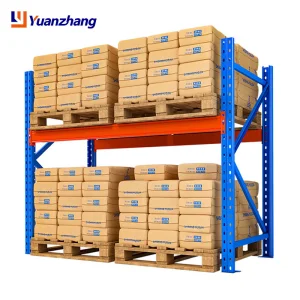
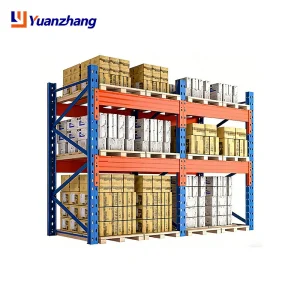
Heavy-duty designs offering immediate access to all pallet locations, maximizing forklift movement efficiency in wide-aisle configurations.
When selecting a manufacturing partner for industrial racking systems, sourcing managers should verify key quality indicators, including mill test reports (MTR) verifying raw steel chemistry, loading performance test certificates, and welding inspections. Clear Service Level Agreements (SLAs) regarding manufacturing tolerances (e.g., perpendicularity and deflection limits under full load) help ensure predictable, long-term performance.
Expert answers addressing structural design, safety compliance, and installation best practices.
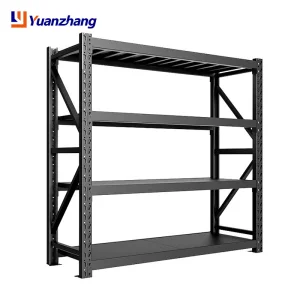
Complete your facility planning with our range of heavy-duty, adjustable shelving configurations and modular structural assemblies.
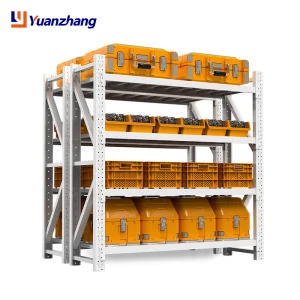
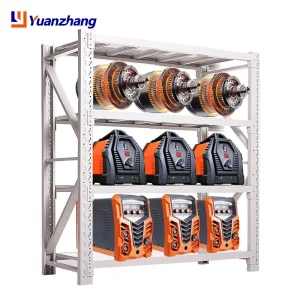
 Yuanzhang Rack