The global logistics sector is evolving rapidly, with pallet storage solutions at the forefront of this transformation. As businesses aim for efficiency, the demand for effective pallet storage has surged. Recent industry reports indicate a projected growth rate of 8.5% annually for pallet storage systems through 2026. This shift is driven by the need for organized inventory management and optimized warehouse space.
Pallet storage not only enhances space utilization but also streamlines operations. Studies show that companies implementing automated pallet systems can reduce retrieval times by over 30%. However, the challenge lies in choosing the right solution that fits specific operational needs. Many businesses continue to grapple with inefficiencies due to outdated systems. This raises the question: Are companies making the best choices for their pallet storage?
In a competitive market, understanding the nuances of pallet storage solutions becomes essential. The breadth of options available—from selective racking to drive-in pallet systems—can be overwhelming. Each solution comes with its own advantages and drawbacks that impact workflow, cost, and accessibility. Therefore, careful consideration and research are paramount for global buyers seeking to capitalize on the full potential of their pallet storage.
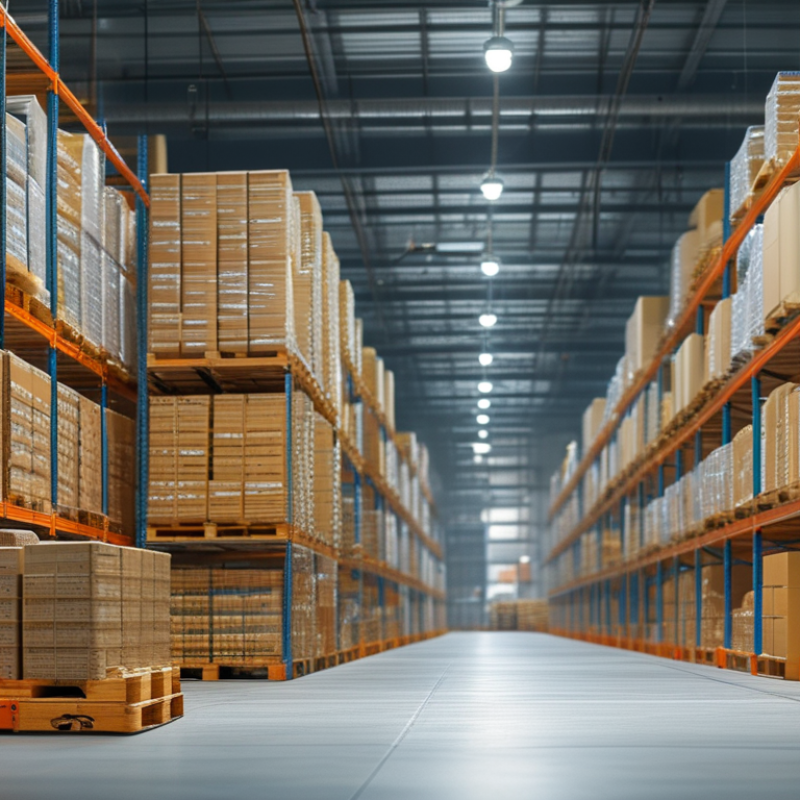
The landscape of pallet storage is set to revolutionize in 2026. Innovative technologies are shaping how businesses manage their inventory. Automated storage and retrieval systems show promise for increasing efficiency. These systems reduce errors in picking and packing, thereby saving time and labor costs. However, the high initial investment can be daunting for small businesses.
Another exciting development is the use of AI and IoT in pallet tracking. Smart sensors can monitor the condition and location of stored pallets in real time. This leads to better decision-making based on accurate data. Yet, the reliance on technology raises concerns regarding potential system failures or data breaches.
Regarding sustainability, eco-friendly pallet materials are becoming a priority. Companies seek solutions that minimize environmental impact. While these options might be more expensive upfront, long-term savings could justify the cost. Still, businesses must weigh the benefits against their immediate financial constraints.
In today's fast-paced supply chain landscape, modern pallet storage solutions are evolving. These systems focus on maximizing space while enhancing accessibility. According to industry reports, automated storage and retrieval systems (AS/RS) can increase storage density by over 50%. This efficiency is crucial for global buyers looking to optimize their warehouse operations.
Key features of contemporary pallet storage solutions include scalability, flexibility, and integration capabilities. Many systems now allow for modular designs. This means warehouses can expand or reconfigure easily as needs change. The ability to seamlessly integrate with existing warehouse management software is vital. A report from Logistics Management states that 70% of companies experienced improved inventory accuracy through these integrations.
Additionally, safety remains a paramount concern. Modern solutions often incorporate advanced safety features. For instance, some designs include impact-resistant materials and automatic shut-off mechanisms to prevent accidents. Despite the advancements, organizations must reflect on the balance between technology and human oversight. Automated systems require regular maintenance and monitoring to avoid potential downtime.
When exploring pallet storage solutions, a comparative analysis reveals significant variances among global providers. Each provider tends to have unique strengths and weaknesses. Some focus on high-density storage solutions, ideal for maximizing warehouse space. Others emphasize modular systems that offer flexibility for evolving inventory needs. Buyers should critically assess which features align with their storage goals.
Diving deeper into performance metrics is crucial. Efficiency, durability, and customization options vary widely by provider. One provider may excel in heavy-duty options but lack in adaptability. Another might offer sleek designs but may not stand up under stress. It's essential to weigh these factors carefully when choosing a solution.
Additionally, many buyers overlook the importance of after-sales support. Providers that offer robust customer service enhance their reliability. However, not all providers meet this standard. Prospective buyers should seek reviews and testimonials from existing clients. This feedback can shed light on the real-world performance of various storage systems. Taking the time to investigate these aspects can lead to smarter purchasing decisions.
| Provider Type | Capacity (Pallets) | Technology Used | Location Coverage | Customer Rating |
|---|---|---|---|---|
| Automated Storage System | 10,000 | Robotics, IoT | Global | 4.8/5 |
| Manual Rack Systems | 5,000 | Traditional Steel Racks | North America | 4.2/5 |
| Mobile Pallet Racking | 15,000 | Mobile Units, RFID | Europe, Asia | 4.6/5 |
| Vertical Lift Modules | 8,000 | Vertical Storage, Automation | Global | 4.7/5 |
| Drive-In Racking | 12,000 | Drive-In System | North America, South America | 4.4/5 |
Sustainability in pallet storage is increasingly becoming a priority for global businesses. According to a recent report by the Global Supply Chain Council, 63% of companies are investing in eco-friendly storage solutions. Sustainable pallets made from recycled materials are gaining traction. These can reduce carbon footprints significantly during logistics operations.
Innovations in pallet design also play a critical role. Lightweight pallets require less energy to transport. The Council’s findings show potential energy savings of up to 30% with these modern solutions. However, the transition poses challenges. Many businesses struggle to find reliable suppliers of sustainable pallets. This inconsistency can hinder operational efficiency.
Furthermore, the integration of technology in pallet storage is essential. Automated inventory systems can track the lifecycle of pallets. Yet, only 38% of organizations currently utilize these technologies effectively. This gap suggests a need for more education and training in the sector. Embracing sustainable practices will require a mindset shift. The industry must rethink traditional methods and focus on long-term benefits.
Pallet storage management faces significant challenges as demand grows. Buyers must adapt to increasing complexities in logistics and inventory. One pressing issue is space utilization. Many facilities struggle to maximize their storage capacity. Inefficient layouts lead to wasted space and costs.
Investing in smart pallet racking systems could mitigate this problem. Advanced technology offers solutions that optimize storage density. Automated systems can enhance efficiency but require careful implementation. Buyers should consider the learning curve associated with new technologies.
Another challenge is supply chain disruptions. Fluctuations in market demand can lead to surplus or shortages. Buyers might find themselves with excess inventory or, conversely, insufficient stock. Conducting regular reviews of inventory turnover can provide insights. Adjusting purchase orders based on real-time data allows flexibility in operations.
Managing workforce skills is also crucial. Not all workers are trained on the latest equipment or protocols. Investing in continuous training helps mitigate errors. It also ensures safety standards are maintained in storage facilities. Educating employees about technology and equipment enhances overall efficiency.
: Sustainability in pallet storage helps reduce carbon footprints. It supports eco-friendly practices that many businesses are adopting today.
Sustainable pallets are often made from recycled materials. This helps lower environmental impact during logistics operations.
Lightweight pallets require less energy to transport. This can lead to potential energy savings of up to 30%.
Many businesses struggle to find reliable suppliers. This inconsistency can hinder their operational efficiency.
Automated inventory systems can track pallets’ lifecycle. However, only 38% of organizations use these technologies effectively.
Inefficient layouts lead to wasted space and increased costs. Many facilities find it challenging to maximize their storage capacity.
Smart pallet racking systems optimize storage density. They enhance efficiency but need careful implementation to succeed.
Demand fluctuations can cause either surplus or shortages. Buyers may struggle with excess inventory or insufficient stock.
Not all workers are familiar with new equipment. Continuous training helps prevent errors and maintain safety standards.
Conducting regular inventory turnover reviews allows buyers to adjust purchase orders based on real-time demand data.
The article "Top Pallet Storage Solutions for Global Buyers 2026" explores the latest advancements and features in pallet storage technologies set to reshape the industry. It highlights innovative solutions that enhance efficiency and adaptability, focusing on aspects such as automation and smart technology integration. Additionally, a comparative analysis of global pallet storage providers offers insights into the best practices that can help buyers choose the right solution for their logistics needs.
Sustainability is also a significant trend in pallet storage, with an emphasis on eco-friendly practices and materials that meet the growing demand for greener supply chains. The article discusses future challenges in pallet storage management, aiming to equip buyers with the knowledge to navigate emerging complexities, such as labor shortages and technological integration, ensuring they remain competitive in a rapidly evolving market.

Yuanzhang Rack