China Top Boltless Systems Suppliers for Global Buyers

Time:2026-09-21 Author:Charlotte
0%

Choosing reliable Boltless Systems suppliers requires more than comparing catalogue prices. Global buyers must examine steel grade, beam thickness, coating quality, load ratings, and production consistency. A warehouse shelf may look simple, yet small design differences affect safety and service life. Upright frames should remain stable under repeated loading. Deck panels should fit without forcing or excessive movement. These details matter in real warehouses.

Warehouse systems expert John R. Bartholdi III has emphasized a practical principle: “Good warehouse design makes the right movement easy.” This idea applies directly to Boltless Systems. Buyers need suppliers that support efficient assembly, clear labelling, and sensible storage layouts. They also need accurate technical drawings, dependable packaging, and responsive communication across time zones. A strong supplier should explain load calculations, testing methods, corrosion protection, and replacement-part availability. Certifications help, but they do not replace careful verification.

China has many capable manufacturers, but quality is not uniform. That is the uncomfortable part. A polished website proves little. Factory audits, sample inspections, production photographs, and independent testing can reveal important differences. Buyers should request references from warehouses with similar loads and operating conditions. They should also confirm tolerances before placing large orders. Even experienced purchasers can overlook installation details. The comparison is not flawless. Still, this guide identifies leading China Boltless Systems suppliers through practical criteria, including engineering experience, export performance, customization ability, quality control, and after-sales support. The aim is simple: help global buyers select storage systems that perform reliably beyond the first shipment.
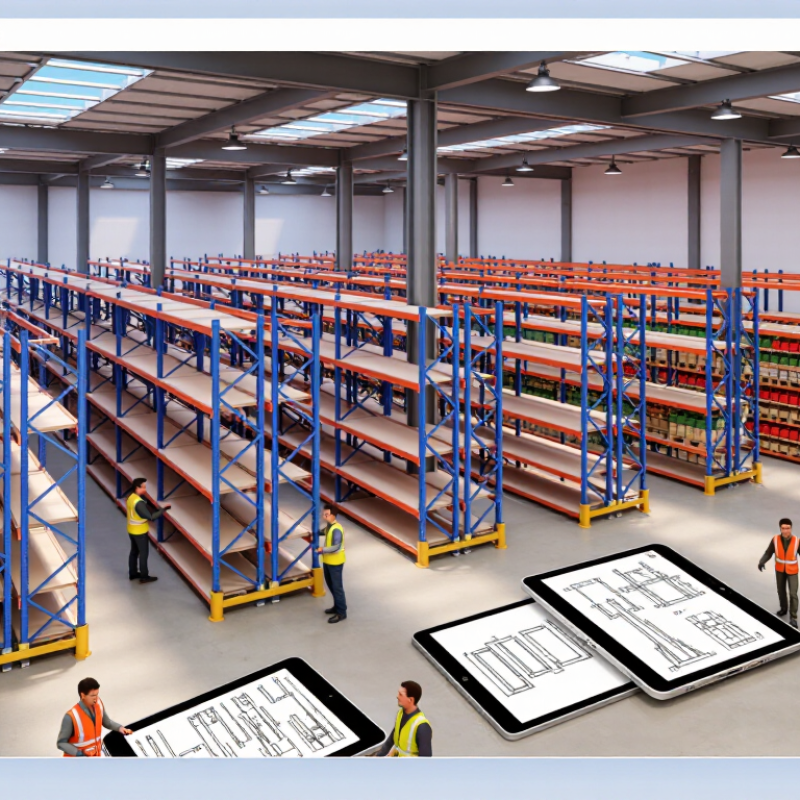
China Top Boltless Systems Suppliers for Global Buyers

What Boltless Storage Systems Are and How They Work

Boltless storage systems use upright frames, horizontal beams, and shelf panels that connect without traditional nuts and bolts. Rivet, slot, or clip joints lock the parts together through pressure and gravity. No welding is needed. That detail matters.

A worker can usually assemble a bay with a rubber mallet and basic safety equipment. Shelves adjust in small vertical steps, allowing cartons, tools, and archive boxes to share one frame. For example, a 900 mm shelf may hold light cartons, while a deeper 1,200 mm bay supports larger containers. Actual capacity depends on beam design, panel thickness, load distribution, and floor conditions.

Grand View Research estimates the global warehouse racking market reached about USD 9.9 billion in 2023, with continued growth through 2030. The MHI 2024 Annual Industry Report also found that 55% of surveyed supply-chain organizations increased technology investment. These figures support demand for flexible storage, but they do not make every system suitable. A careless layout can overload one shelf. Uneven floors can weaken alignment. The system is not foolproof.

For global buyers comparing China-based suppliers, request tested load ratings, material specifications, coating details, and assembly instructions. Check whether ratings apply to each shelf or the entire bay. Ask for sample inspections and independent test records. A lower price may hide thinner steel or inconsistent slot dimensions. That deserves scrutiny.

Boltless Storage Systems: Typical Shelf Load Capacity

Boltless shelving uses interlocking beams, uprights, and clip-in panels, allowing shelves to be assembled without nuts and bolts.

The chart shows representative rated capacities commonly specified for generic boltless shelving categories. Actual capacity depends on shelf size, beam profile, material thickness, bracing, load distribution, and installation conditions. Always confirm the tested load rating before purchasing or loading a system.

Why Global Buyers Source Boltless Systems from China

Global buyers increasingly source boltless systems from China because the country combines steel-processing capacity, flexible fabrication, and mature export logistics. Grand View Research valued the global warehouse racking market at approximately US$9.7 billion in 2023. MHI’s 2024 Annual Industry Report also found that 55% of supply-chain leaders planned to increase technology investment. These trends support demand for adaptable storage, especially in warehouses needing quick assembly and frequent layout changes.

Chinese manufacturers can offer boltless shelves with adjustable beams, powder-coated panels, and custom dimensions. They often support mixed container loading and private specifications. This helps buyers control space and freight costs. However, the lowest quotation can hide thinner steel, weak joints, or unclear load ratings. That is an uncomfortable point, but it matters. Reliable purchasing requires more than comparing unit prices.

Tips: Request a sample unit, material certificates, static-load test results, and assembly instructions. Confirm whether the stated capacity applies per shelf or to the whole bay. Check welds, coating thickness, carton protection, and replacement-part availability. Ask for third-party inspection before shipment. ISO 9001 documentation can support process confidence, but it does not replace product testing. Buyers should also compare local safety requirements with the supplier’s design. A system may look sturdy and still fail practical warehouse checks.

How to Evaluate China’s Leading Boltless System Suppliers

China Top Boltless Systems Suppliers for Global Buyers

Evaluating China’s leading boltless system suppliers requires more than comparing catalog prices. Start with the steel grade, panel thickness, coating method, and stated load capacity. Ask for test reports that identify test conditions, not only attractive performance figures. A reliable supplier should explain how loads change across shelf levels and beam spans. Small details matter. Check weld quality, post alignment, connector fit, and surface consistency on physical samples.

Request production drawings before placing a large order. These drawings should show dimensions, tolerances, hole spacing, and adjustment ranges. Confirm whether the supplier controls cutting, punching, coating, and final assembly internally. Factory audits can reveal practical issues, such as crowded storage areas or weak packaging procedures. Still, an audit is only a snapshot. It cannot prove every future batch will match the sample.

Communication is another serious test. Ask how design changes, damaged parts, and delayed shipments are documented. Suppliers with experienced engineers usually provide clearer answers and practical alternatives. Verify export documents, inspection records, packing lists, and replacement policies before signing terms. Independent pre-shipment inspection is useful for larger orders, although it adds cost and time. No supplier is flawless. I would also question unusually low prices, because savings may reflect thinner steel, limited inspection, or less durable coatings. A short pilot order can expose these weaknesses before they affect an entire warehouse.

Product Quality, Customization, and Compliance Standards

For global buyers, boltless shelving quality begins with measurable controls, not attractive photographs. The ISO Survey 2023 recorded more than 1.26 million ISO 9001 certificates worldwide. However, certification alone does not prove load capacity or long-term stability. A certificate is not a stress test. Reliable suppliers should provide material grades, coating thickness, dimensional tolerances, and batch inspection records. Buyers should also request load tests for uprights, beams, and connectors under realistic warehouse conditions.

Customization must fit the building, workflow, and handling equipment. A 2,400 mm bay may suit one warehouse but waste space beside fire exits or uneven floors. Suppliers should confirm bay width, shelf depth, clear height, corrosion exposure, and required load per level. Small details matter. Adjustable feet, bracing, labels, and tool-free connectors can affect installation time and safety. The MHI 2024 Industry Report highlights continuing pressure to improve warehouse efficiency and operational resilience, yet rushed customization can create maintenance problems later.

Compliance should be checked before production. EN 15635 recommends regular inspections of storage equipment, including at least an annual expert inspection. ANSI MH16.1 also addresses steel storage rack design and performance requirements. These references help buyers compare suppliers across markets. Still, local building, fire, seismic, and occupational rules may differ. This is where many projects become imperfect. A supplier may meet a recognized standard but overlook the buyer’s specific site conditions. Independent review, sample approval, and documented corrective actions make the purchasing decision more dependable.

Ordering, Shipping, and Supplier Management for Global Buyers

For global buyers sourcing boltless storage systems from China, ordering begins with a controlled specification. Confirm bay width, shelf load, steel thickness, coating, beam levels, and installation method. Request drawings, material certificates, carton photos, and a pre-production sample. Small differences matter. A warehouse aisle can expose them quickly.

Use a purchase order with measurable acceptance criteria. State tolerances, labeling rules, spare-part quantities, and inspection timing. Independent inspection should verify dimensions, weld quality, surface finish, and packaging before shipment. The World Bank’s Logistics Performance Index 2023 shows that customs, infrastructure, and shipment reliability strongly influence supply-chain performance. A low unit price cannot repair weak documentation or missed loading windows.

Shipping needs more than a freight quotation. UNCTAD’s Review of Maritime Transport 2024 reported that maritime trade grew 2.4% in 2023, while route disruption and capacity changes continued affecting schedules. Compare total landed cost, not only the factory price. Confirm Incoterms, port choice, container utilization, export documents, insurance, and demurrage responsibility in writing. Ask suppliers to send weekly production photos and packing lists. Keep one communication record. It is less elegant, but safer. I would still allow contingency stock; my earlier orders underestimated delays during peak seasons. Evaluate suppliers quarterly using defect rate, document accuracy, response time, and on-time delivery. Supplier relationships improve when evidence, not promises, guides the next order.

FAQS

Why do global buyers source boltless storage systems from China?

China offers steel-processing capacity, flexible fabrication, and established export logistics. Suppliers can adjust beam levels, panel sizes, coatings, and shelf dimensions. Mixed container loading may reduce freight costs. The cheapest offer is not always better.

What specifications should buyers confirm before ordering?

Confirm bay width, shelf capacity, steel thickness, coating type, beam levels, and installation method. Ask whether capacity applies to one shelf or the complete bay. Request drawings showing tolerances, hole spacing, and adjustment ranges. Small details matter.

How can buyers check product quality?

Request a physical sample before placing a large order. Inspect welds, post alignment, connector fit, and surface consistency. Review material certificates and static-load test results. Photos alone are insufficient.

What should a reliable supplier provide?

A reliable supplier should provide production drawings, test conditions, packing details, and assembly instructions. They should explain how loads change across shelf levels and beam spans. Replacement-part policies should be written clearly. Keep records.

Does quality certification guarantee a safe storage system?

No certification replaces practical product testing. Process documentation may support confidence, but it does not prove every batch matches the sample. Compare the design with local warehouse safety requirements. A sturdy appearance can mislead.

Why is a factory audit useful, but limited?

An audit can reveal crowded storage areas, weak packaging, or poor production control. However, it shows conditions during one visit only. It cannot guarantee every future shipment. An audit is only a snapshot.

How should buyers manage shipping and total costs?

Compare landed cost, not only the factory quotation. Confirm trade terms, port choice, container use, insurance, and delay responsibilities in writing. Check export documents, packing lists, and loading schedules. Freight surprises hurt.

How can buyers reduce ordering risks?

Use a short pilot order before committing to a full warehouse project. Set measurable acceptance criteria for dimensions, welds, coating, labels, and packaging. Consider independent inspection before shipment. I once underestimated peak-season delays. A contingency stock would have helped.

Conclusion

This guide explains what Boltless Systems are, how their interlocking components create stable and adaptable storage structures, and why they are increasingly attractive to global buyers. With tool-free assembly, flexible configurations, and efficient use of warehouse or commercial space, these systems can support a wide range of storage needs while simplifying installation and future adjustments. China has become a major sourcing destination because of its manufacturing capacity, competitive pricing, product variety, and ability to support large-volume orders.

The article also outlines how buyers can evaluate leading Chinese suppliers by reviewing production experience, material quality, load-bearing performance, customization capabilities, and compliance with relevant international standards. It highlights the importance of confirming product specifications, packaging, inspection procedures, shipping terms, lead times, and after-sales communication before placing an order. Effective supplier management, clear documentation, and reliable logistics planning can help global buyers reduce purchasing risks and build stable long-term supply relationships.

Charlotte

Charlotte

Charlotte is a seasoned marketing professional with a deep understanding of the company's portfolio and a passion for elevating its presence in the market. With a keen eye for detail and a commitment to excellence, she ensures that our professional blog is regularly updated with insightful articles......