Pallet Flow Storage is a cutting-edge solution that optimizes warehouse efficiency. It is particularly useful in environments where high-density storage is crucial. According to the 2022 Warehousing and Logistics Trends Report, 65% of companies reported improved space utilization after implementing this system.
Expert in warehouse design, John Smith, states, "Pallet Flow Storage enhances inventory turnover by allowing easy access to products." His insight reflects the changing landscape of logistics, where speed and organization are paramount. As businesses adapt, they must confront challenges like layout costs and employee training.
Despite its benefits, Pallet Flow Storage is not without flaws. Implementing this system can be costly, and improper setup may lead to inefficiencies. Companies must weigh the advantages against these potential downsides carefully, ensuring they make informed decisions that align with their operational goals.
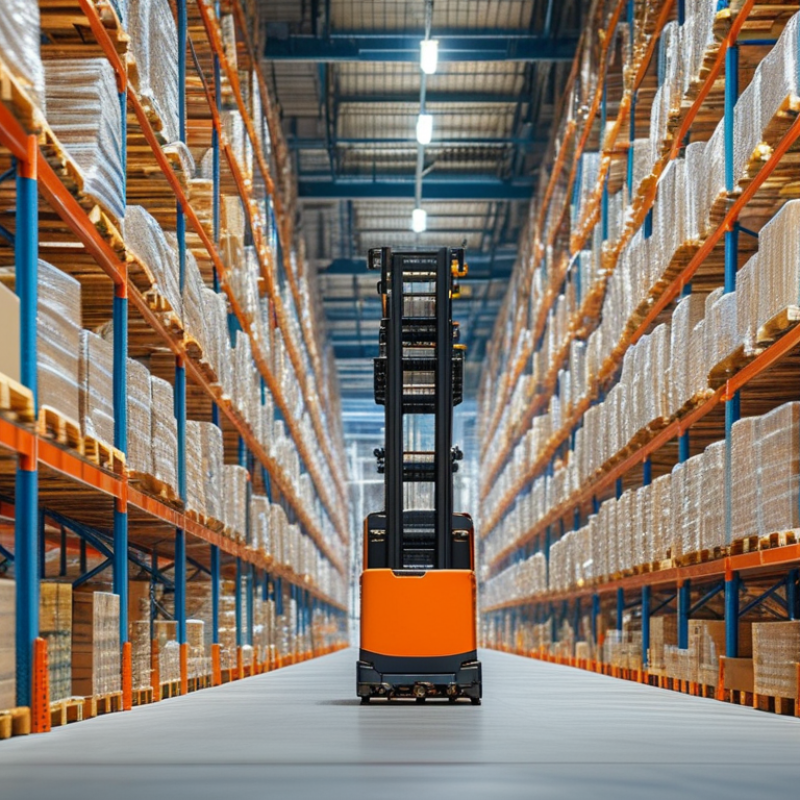
Pallet flow storage is a sophisticated and efficient warehouse system. It uses gravity to move pallets on sloped tracks. This setup allows for easy access and a high-density storage solution. Pallets are loaded from one end, and they flow to the picking side automatically. The design supports first-in, first-out (FIFO) inventory management.
One key aspect is space efficiency. With pallets resting on inclined rollers, this system maximizes vertical space. This can drastically reduce the square footage needed for storage. However, maintaining this system can be tricky. If pallets become jammed, it can lead to operational delays. Therefore, regular inspections are crucial.
Tips: Ensure the proper weight limits for each pallet to avoid issues. Staff should be trained on how to load pallets correctly. Keeping the flow area clear can prevent blockages and enhance efficiency. Pay attention to the condition of rollers; worn-out ones can affect flow.
Pallet Flow Storage systems are gaining attention in modern warehousing. These systems use gravity and inclined tracks to move pallets. This approach enhances efficiency and optimizes space.
Key components of these systems include flow rails, pallet stops, and frames. Flow rails allow pallets to slide down smoothly. They are typically made from durable materials to withstand heavy loads. Pallet stops prevent pallets from rolling off the end. This ensures safety and organization within the storage space. The frames support the entire structure, ensuring stability.
Understanding these components is essential. They dictate how effectively the system functions. However, not all setups are perfect. Poor design can lead to bottlenecks or safety hazards. Evaluating existing systems helps identify weaknesses. Continuous improvement ensures the storage solution remains reliable and efficient.
Pallet flow storage is an innovative system designed for efficient inventory management. It relies on gravity to move pallets along sloped tracks. This design minimizes the need for manual handling. According to industry reports, this system can increase storage density by up to 50%, allowing businesses to store more products in a limited space.
The operation of pallet flow storage is straightforward yet effective. Pallets are loaded from one end of the rack and flow to the other side. The use of rollers facilitates the movement, supported by an incline. This ensures that older stock is picked first, adhering to the First-In-First-Out (FIFO) principle. Research indicates that using pallet flow systems can boost picking efficiency by 20-30% compared to traditional systems.
However, there are challenges. Maintaining appropriate inventory levels is crucial. Overloading can lead to jams, affecting workflow. Regular maintenance is essential to keep the system running smoothly. Operators must be trained to handle potential issues effectively. Despite these imperfections, pallet flow storage remains a popular choice for maximizing efficiency in modern warehouses.
| Feature | Description | Advantages | Applications |
|---|---|---|---|
| Gravity-Driven | Utilizes the force of gravity for pallet movement through inclined lanes. | Energy efficient and reduces operational costs. | Food and beverage industry, pharmaceutical storage. |
| High Density Storage | Allows for maximum storage capacity in a small footprint. | Increases warehouse space utilization. | Distribution centers, retail warehouses. |
| First-In, First-Out (FIFO) | Ensures that older stock is picked first to reduce spoilage. | Helps in inventory management and reduces waste. | Cold storage, food processing facilities. |
| Easy Accessibility | Pallets are easily accessible, streamlining the picking process. | Improves order picking efficiency. | E-commerce fulfillment centers, retail storage. |
Pallet flow storage offers significant advantages for warehouses seeking efficiency. This system utilizes inclined tracks for pallets, allowing them to move automatically. The FIFO (first in, first out) method plays a crucial role in inventory management. This reduces product spoilage, especially for perishable goods. A study revealed that FIFO systems can decrease waste by up to 30%.
Utilizing pallet flow systems can maximize storage density. Research indicates warehouses can experience up to a 50% increase in storage capacity. The efficient use of vertical space means fewer aisles are needed. This allows for greater accessibility and faster rotation of stock. However, designing a pallet flow system does require careful planning. There are challenges regarding the layout, especially in existing facilities.
Training staff is essential for the system's success. They must understand how to operate and maintain the equipment properly. Some facilities encounter difficulties during the implementation phase, leading to operational delays. Ultimately, pallet flow storage is beneficial but requires thoughtful execution to realize its full potential.
Pallet Flow Storage is becoming increasingly popular in warehousing due to its efficiency and space utilization. This system uses gravity to move pallets through a sloped channel. As products are picked from the front, new pallets slide in from the back. This creates a continuous flow, making it ideal for high-turnover items.
In various industries, businesses utilize Pallet Flow Storage to enhance operations. For example, food and beverage companies store perishables, like drinks and snacks, in this system. This allows quick access while maintaining organization. Similarly, retail centers benefit by managing seasonal stock effectively, reducing the time needed to retrieve items. Yet, implementing this system requires careful planning. An oversight in pallet sizes or weights can lead to inefficiencies.
In traditional setups, warehouses often face congestion. Pallet Flow Storage minimizes this issue by optimizing space and streamlining processes. Workers can navigate aisles more freely, but it does have challenges. Staff training is essential for safe handling of products. Mismanagement can disrupt the flow, negating the benefits. Companies must adapt this system to their specific needs, reviewing and refining its use regularly.
: Pallet flow storage is a warehouse system that uses gravity to move pallets on sloped tracks.
Pallets are loaded from one end and flow to the picking side automatically via inclined rollers.
FIFO ensures older stock is picked first, reducing spoilage, especially for perishable goods.
This system maximizes vertical space, potentially increasing storage capacity by up to 50%.
Jams can occur if pallets are overloaded, leading to workflow disruptions.
Employees need to understand loading techniques and maintenance to ensure smooth operation.
Neglecting maintenance may lead to increased jams and delays in the operational process.
Implementing FIFO can significantly decrease product waste, reducing spoilage by up to 30%.
Facilities often face operational delays due to layout challenges or improper staff training.
Worn-out rollers can hinder the flow of pallets and impact overall efficiency.
Pallet Flow Storage is an efficient storage solution designed to optimize space and streamline inventory management in warehouses. This system utilizes a series of inclined tracks and gravity to facilitate the movement of pallets, allowing items to flow automatically from the loading end to the picking end. Key components include sturdy racks, rollers, and braking systems that ensure a smooth flow while preventing damage to goods.
The operation of Pallet Flow Storage relies on FIFO (First In, First Out) principles, making it ideal for perishable items or products with expiration dates. The advantages of this system include increased storage density, reduced handling times, and improved inventory control. Its applications extend across various industries, making it a versatile choice for effective warehousing solutions.

Yuanzhang Rack