The demand for Mezzanine Systems is rising in various sectors globally. According to a recent report by Grand View Research, the market for mezzanine solutions is expected to grow significantly by 2026, driven by increasing warehouse automation and space optimization needs. Businesses are seeking ways to enhance storage capacity without extensive structural changes.
Mezzanine Systems provide flexibility and allow organizations to maximize vertical space. This has become essential for industries like e-commerce and retail, where efficiency is crucial. Reports indicate a 25% growth in investments in such systems, highlighting their importance in modern logistics and warehousing.
However, choosing the best Mezzanine Systems requires careful consideration. Factors like load capacity, material quality, and design must align with specific operational needs. Companies must also reflect on their long-term goals. Investing in the right mezzanine can simplify operations but requires an understanding of unique requirements. Balancing between cost and functionality remains a challenge for many buyers.
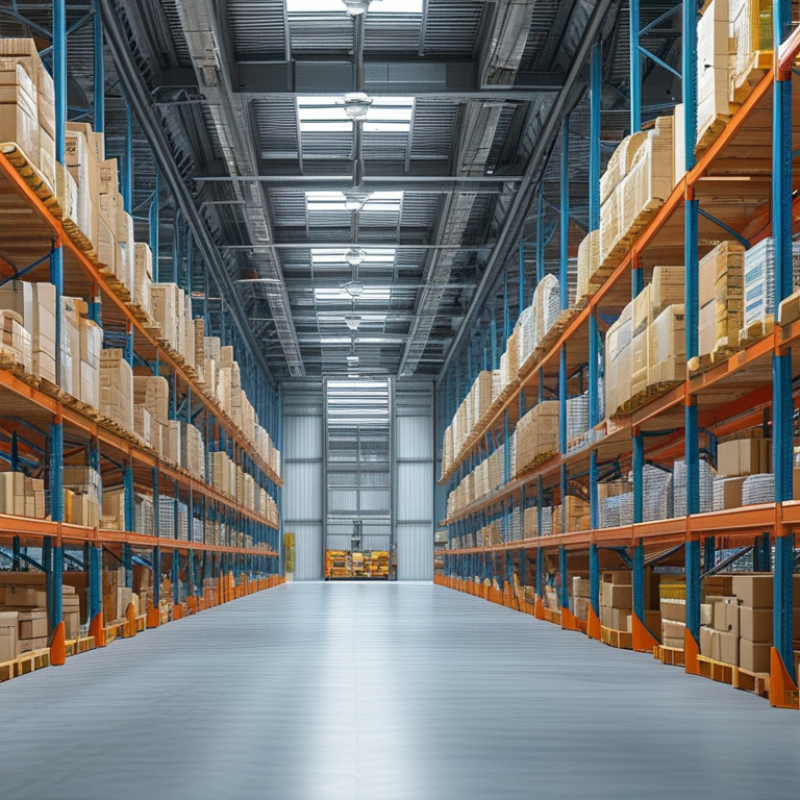
Overview of Mezzanine Systems and Their Importance in Warehousing
Mezzanine systems are essential in modern warehousing. They create additional storage space without the need for extensive construction. These structures utilize vertical space effectively. This is particularly important as the demand for efficient logistics increases. Businesses often face challenges in meeting storage needs. Mezzanine systems provide a versatile solution.
These systems can be customized to fit various sizes and shapes. They are suitable for both large distribution centers and smaller facilities. A well-designed mezzanine can improve workflow and enhance safety. However, not all designs are perfect. Some may require frequent adjustments to meet changing needs. Investing in quality mezzanine solutions can lead to long-term benefits. Yet, this requires careful planning and evaluation.
Understanding the specific requirements of your warehouse is crucial. Not every mezzanine system will suit your operations. Factors like load capacity and accessibility must be considered. Companies should analyze their inventory turnover rates. This helps in developing an effective mezzanine layout. Ultimately, the right mezzanine system reflects a balance between innovation and practical application.
Key Features to Consider When Selecting Mezzanine Systems
When selecting mezzanine systems, several key features warrant consideration. Load capacity stands out as a primary concern. Each project has unique requirements, so understanding how much weight your mezzanine needs to hold is crucial. Insufficient load management can lead to serious safety issues. Additionally, the dimensions of the space must align with the chosen system’s specifications.
Flexibility is another important aspect. A good mezzanine should accommodate future changes. Whether it’s adjusting the layout or expanding the area, adaptability helps businesses grow without frequent upgrades. The ease of installation influences the overall efficiency of your operations. Complex systems may take longer to set up, leading to potential downtime in the workflow.
Lastly, consider the materials used in construction. Durability affects the longevity and maintenance of the system. High-quality materials may initially cost more but can save money in the long run. Reflecting on these details can be beneficial. A poorly chosen system may not meet your needs, emphasizing the importance of thorough research and evaluation.
Top Mezzanine System Manufacturers and Their Global Reach
The mezzanine systems market is rapidly evolving, driven by increasing demand for efficient space utilization.
According to industry reports, the global mezzanine systems market is projected to grow at a CAGR of 6.1% from 2023 to 2026.
This growth is primarily due to advancements in design and material technology. Innovative designs are simplifying
installation while increasing load capacity, thus appealing to various industries.
Leading manufacturers in this sector have adopted global strategies to enhance their reach. They leverage
advanced engineering techniques for better product performance. For instance, modular designs enable companies
to tailor installations to specific needs without significant delays. Data indicates that regions such as
North America and Europe will continue to dominate, accounting for over 60% of the market share.
However, manufacturers in Asia-Pacific are gaining traction, driven by rapid industrialization.
Nonetheless, challenges persist. Limited awareness among smaller enterprises may hinder market penetration.
Furthermore, the evolving regulatory landscape poses risks to compliance. Companies often grapple with ensuring
their products meet international standards while still being cost-effective. As the market matures,
addressing these challenges will be crucial for sustaining growth and maintaining a competitive edge.
Trends and Innovations in Mezzanine System Design for 2026
In 2026, mezzanine systems will reflect a blend of efficiency and design innovation. Trends indicate a shift towards modular and scalable solutions. These systems provide flexibility for various applications, from warehouses to retail spaces. This adaptability can lead to more efficient use of space. Designers are focusing on sustainability, using eco-friendly materials that reduce carbon footprints.
Technological integration is another key aspect in mezzanine design. Smart systems are being employed to enhance usability and safety. Sensors for load monitoring and smart lighting solutions contribute to operational efficiency. However, some designs may overlook user experience. Feedback from workers is crucial, as user-centric features can significantly impact satisfaction and productivity.
Safety standards are evolving alongside these trends. Enhanced safety features are vital, yet compliance can sometimes lag. Regular assessments and updates are necessary to align with regulations. As mezzanine systems evolve, continuous learning is essential for all stakeholders involved. Balancing innovation with practical implementation will be crucial in shaping the future of these systems.
Comparative Analysis of Mezzanine Systems by Regional Market Needs
When examining mezzanine systems, regional market needs play a significant role. Different markets often face unique challenges. For instance, North American buyers may prioritize flexibility and ease of installation. In contrast, European markets might focus on sustainability and compliance with stringent safety standards. These differing priorities shape how mezzanine systems are designed and what features are emphasized.
Asian markets often require innovative solutions to maximize space in densely populated areas. Customization options may also be more critical here, as businesses seek tailored systems that fit specific warehouse requirements. While these regional preferences guide product development, they also pose challenges for manufacturers striving to meet diverse demands. This emphasizes the importance of understanding local regulations and cultural contexts when developing mezzanine solutions.
Feedback from various stakeholders highlights the necessity for ongoing adaptation. Systems that work in one area may not succeed elsewhere. It's vital to maintain an open dialogue with clients to refine designs. This is an evolving field, and awareness of regional differences will help in crafting the best solutions.
FAQS
: Load capacity is crucial. It determines how much weight the mezzanine can hold.
Flexibility allows for future changes and adjustments to the layout or size without major upgrades.
Easier installations lead to less downtime, improving overall operational efficiency.
The durability of materials impacts the system's longevity and maintenance costs.
Different markets prioritize features differently, like flexibility in North America and sustainability in Europe.
Yes, challenges include limited awareness among small enterprises and evolving regulatory landscapes.
Ongoing adaptation based on client feedback can refine designs to suit specific needs better.
A poor choice may not meet specific needs, leading to complications and inefficiencies.
They simplify installation and boost load capacity, attracting various industries.
Systems effective in one region may fail in another, highlighting the need for local understanding.
Conclusion
Mezzanine Systems play a crucial role in enhancing warehouse efficiency by maximizing vertical space without the need for extensive renovations. These structures are essential for optimizing storage solutions, allowing businesses to adapt to varying inventory levels and operational needs. When selecting the right mezzanine system, key features such as load capacity, design flexibility, and safety standards must be considered to ensure they meet specific operational requirements.
As we look toward 2026, trends and innovations in mezzanine system design are evolving, focusing on sustainability, modularity, and advanced automation. Additionally, a comparative analysis of mezzanine systems reveals distinct regional market needs, highlighting how global buyers can benefit from tailored solutions that cater to their specific environments. By staying informed about these trends and manufacturers with a global reach, businesses can make informed decisions that drive efficiency and growth in their warehousing operations.

 Yuanzhang Rack