In today’s fast-paced supply chain environment, ASRS Systems have emerged as vital tools for global buyers. These automated storage and retrieval systems streamline operations and improve efficiency. Companies are increasingly recognizing their ability to reduce human error and operational costs.
ASRS Systems offer unparalleled accuracy in inventory management. They provide reliable data, which aids in better decision-making. This reliability is crucial for businesses looking to enhance productivity. With the right implementation, organizations can significantly benefit from enhanced space utilization.
However, not all ASRS implementations succeed. Companies must carefully assess their needs to avoid costly mistakes. Understanding the nuances of these systems can lead to better outcomes. The advantages of ASRS Systems are clear, but so are the challenges they pose. Balancing expectations and practical limitations is essential for successful integration.
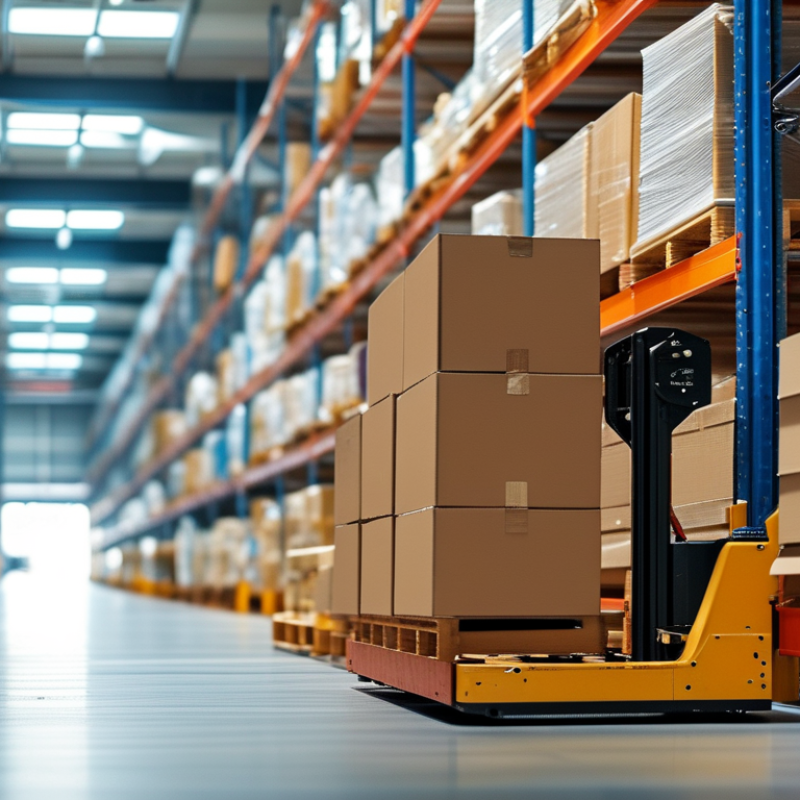
Advantages of ASRS Systems for Global Supply Chain Management
Automated Storage and Retrieval Systems (ASRS) are transforming global supply chain management. They enhance inventory accuracy and reduce human error. With precise tracking, businesses can maintain optimal stock levels. This leads to fewer stockouts and overstock situations, improving overall efficiency.
ASRS systems offer significant time savings during order fulfillment. Automated processes reduce the time workers spend retrieving items. This efficiency boosts productivity and allows staff to focus on more complex tasks. Additionally, these systems maximize available storage space. Vertical shelving and dynamic storage increase the density of inventory, creating more room for additional products.
However, implementing ASRS is not without challenges. Initial setup costs can be high, requiring careful budgeting. Organizations must also adapt their existing processes to integrate automation effectively. Employee training is crucial for maximizing the potential of these systems. Ensuring that staff are comfortable with new technology can prevent disruptions. Taking these factors into account is essential for long-term success in supply chain operations.
Enhanced Inventory Accuracy with ASRS Technology
The integration of Automated Storage and Retrieval Systems (ASRS) significantly enhances inventory accuracy. In today’s supply chain environment, precision is crucial. Reports indicate that ASRS can boost inventory accuracy rates to 99.9%. This level of accuracy is invaluable for global buyers interpreting fluctuating market demands. The technology minimizes errors, ensuring the right products are available when needed.
Furthermore, ASRS systems contribute to reduced labor costs. A study by industry experts highlighted that companies adopting ASRS systems saw a decrease in labor needs by up to 50%. This efficiency enables resources to be allocated more strategically, focusing on tasks that build value. Despite these advantages, organizations must periodically reassess their ASRS setups, as outdated systems may not yield these gains consistently.
Implementing ASRS is an intricate process. Challenges may arise during integration and maintenance phases, sometimes leading to temporary inaccuracies. However, the long-term benefits often outweigh these initial setbacks. Continuous assessment and improvement are crucial for maximizing the potential of ASRS technology. The path to enhanced inventory accuracy requires commitment and an openness to adapt practices as technology evolves.
Improvements in Warehouse Space Utilization via ASRS Solutions
ASRS systems, or Automated Storage and Retrieval Systems, significantly enhance warehouse space utilization. By automating storage processes, these systems can optimize vertical and horizontal space. Traditional warehouse layouts often waste valuable room. In contrast, ASRS solutions utilize higher shelves and denser configurations. This approach allows companies to maximize the usable area in their warehouses.
Implementing ASRS can lead to staggering improvements in inventory management. These systems can store various item sizes while ensuring easy access. Automated retrieval reduces the time spent searching for products. Workers can focus more on picking and packing than locating items. However, some companies may underestimate the initial investment required for implementation. They may face challenges during the transition phase, impacting operations temporarily.
The reliability of ASRS systems is critical, but issues can arise. Regular maintenance is essential to prevent downtime. Additionally, staff may need training to adapt to new technology. Adapting to automation might feel overwhelming. Yet, embracing ASRS could ultimately transform warehouse efficiency. Balancing innovation with practical limitations remains a constant challenge for many organizations.
Reduction of Labor Costs through Automation in ASRS Systems
Automated Storage and Retrieval Systems (ASRS) significantly reduce labor costs. By automating storage and retrieval tasks, businesses can streamline operations. This efficiency minimizes the need for manual labor, reducing wage expenses. Workers can focus on higher-value activities. This not only boosts productivity but enhances job satisfaction.
Consider implementing an ASRS solution to optimize your supply chain. Evaluate your current processes. Are you overstaffed in warehousing? Automation might enable you to reallocate resources more effectively. Pay attention to integration with existing systems. Smooth transitions often lead to better outcomes.
Investing in ASRS technology can seem daunting. There are initial costs and adjustments required. However, the long-term savings on labor and increased efficiency can outweigh these challenges. Experimenting with smaller systems can provide insights into the benefits without overwhelming the workforce. A phased approach allows for smoother transitions and minimizes disruptions.
Top 5 Benefits of ASRS Systems for Global Buyers
| Benefit |
Description |
Estimated Cost Reduction (%) |
Implementation Time (Months) |
| Labor Cost Reduction |
Automation significantly decreases the need for manual labor. |
30% |
6 |
| Increased Efficiency |
Faster picking and inventory management through automation. |
25% |
4 |
| Space Optimization |
Maximizes storage capacity and reduces footprint. |
20% |
5 |
| Improved Accuracy |
Reduces human error in inventory handling. |
15% |
3 |
| Enhanced Safety |
Reduces workplace injuries by minimizing manual handling. |
10% |
6 |
Faster Order Fulfillment and Increased Productivity with ASRS
Automated Storage and Retrieval Systems (ASRS) play a crucial role in enhancing order fulfillment. These systems streamline warehouse operations, allowing for faster picking and packing processes. For global buyers, this means reduced lead times and improved customer satisfaction. With ASRS, the traditional methods of order processing are transformed, minimizing errors and maximizing efficiency.
Implementing ASRS can significantly increase productivity. Workers can focus on higher-level tasks instead of repetitive manual efforts. These systems often reduce the amount of time spent searching for items. However, the initial investment and integration process can be cumbersome. It's essential to carefully evaluate the transition to ensure smooth implementation.
In the competitive landscape of global trade, ASRS can provide a significant edge. Faster order fulfillment not only drives sales but can foster lasting customer relationships. It is vital to regularly assess performance and explore improvements in the system to maintain peak productivity. Over time, minor gaps in the system can impact overall effectiveness. Continuous reflection on operational practices remains necessary for sustained success.
Top 5 Benefits of ASRS Systems for Global Buyers
This chart illustrates the top five benefits of Automated Storage and Retrieval Systems (ASRS) for global buyers. The data reflects how ASRS systems can significantly enhance order fulfillment speed, increase overall productivity, and reduce operational costs, while also improving accuracy and optimizing storage space.
FAQS
ASRS can boost inventory accuracy rates to 99.9%. This is crucial for adapting to market demands.
Companies using ASRS can reduce labor needs by up to 50%. This allows resources to be redirected to valuable tasks.
Yes, integration and maintenance can pose challenges. Initial inaccuracies may occur, but long-term benefits are often worth it.
ASRS optimizes both vertical and horizontal space. This prevents waste and maximizes usable storage area.
Some companies may face difficulties during the transition. Operations might be temporarily impacted but can stabilize afterward.
Yes, staff training is critical. Without proper training, adapting to new technology may feel overwhelming.
Companies should evaluate current processes and staffing levels. Overstaffing may indicate a need for automation.
Yes, experimenting with smaller systems can provide insights. It helps understand the benefits without overwhelming the workforce.
Regular maintenance is crucial to prevent downtime. Neglecting maintenance can lead to reliability issues over time.
Conclusion
ASRS Systems, or Automated Storage and Retrieval Systems, offer significant advantages for global supply chain management. One of the primary benefits is enhanced inventory accuracy, which reduces errors and increases reliability in inventory handling. Additionally, ASRS Solutions improve warehouse space utilization by maximizing storage capacity and optimizing the layout, leading to more effective use of available space.
Moreover, the automation provided by ASRS Systems results in a substantial reduction in labor costs, as fewer staff are required to manage operations. These systems also contribute to faster order fulfillment, increasing overall productivity and efficiency within warehouses. In summary, the implementation of ASRS Systems can lead to transformative improvements in inventory management, cost reduction, and operational efficiency for global buyers.

 Yuanzhang Rack